Topic
Skin Science
Dermatology, pigmentation, barrier, devices and topical chemistry.
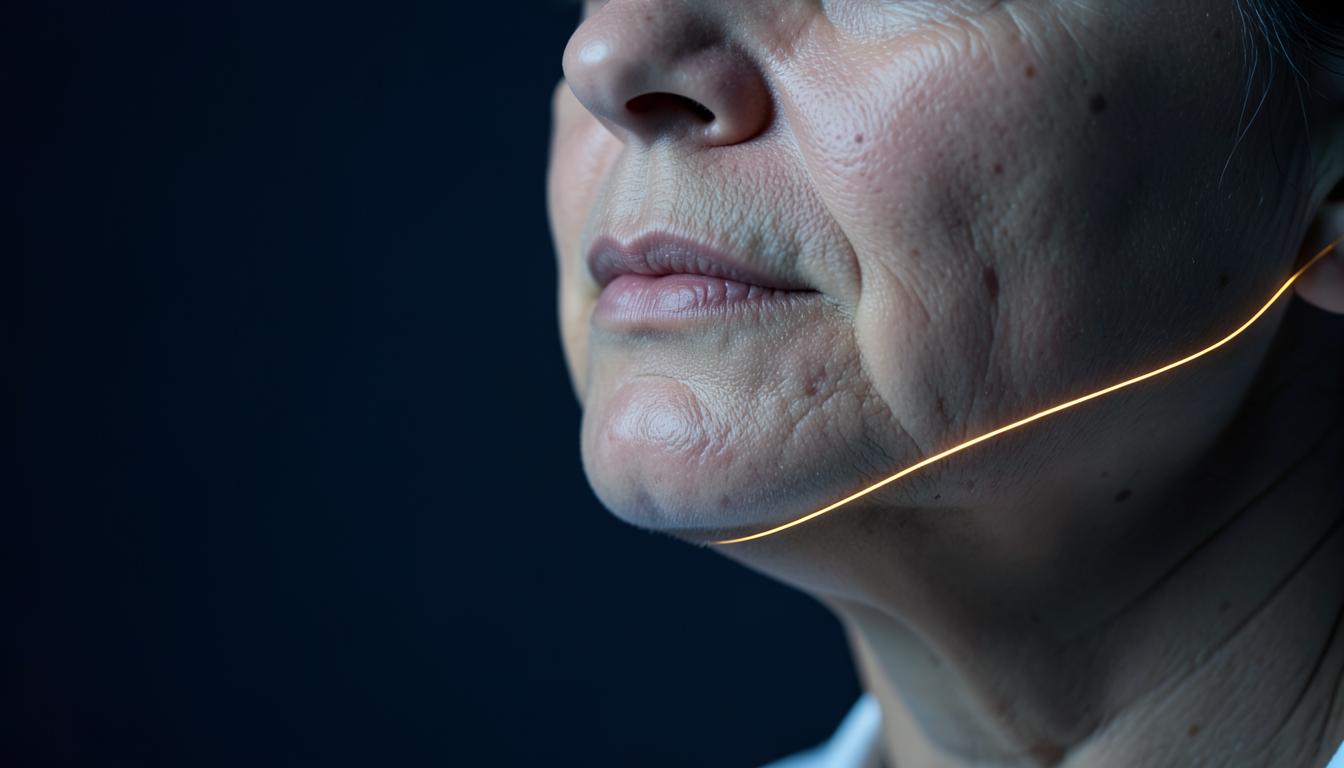
Same Energy, Higher Power: A Retrospective Two-Cohort Case Series Comparing 3 W versus 4 W Delivery of 300 J per Side in 1470 nm Subdermal Endolaser Treatment of the Jowl
Fibre-optic subdermal 1470 nm diode laser treatment of the lower face is protocol- and parameter-dependent, yet published protocols report total energy in joules far more consistently than the power at which that energy is delivered. Power and energy are not interchangeable: for a fixed energy dose, higher power shortens delivery time and increases the rate of tissue heating relative to thermal dissipation. We observed this distinction directly in clinic after a protocol adjustment and report it here.
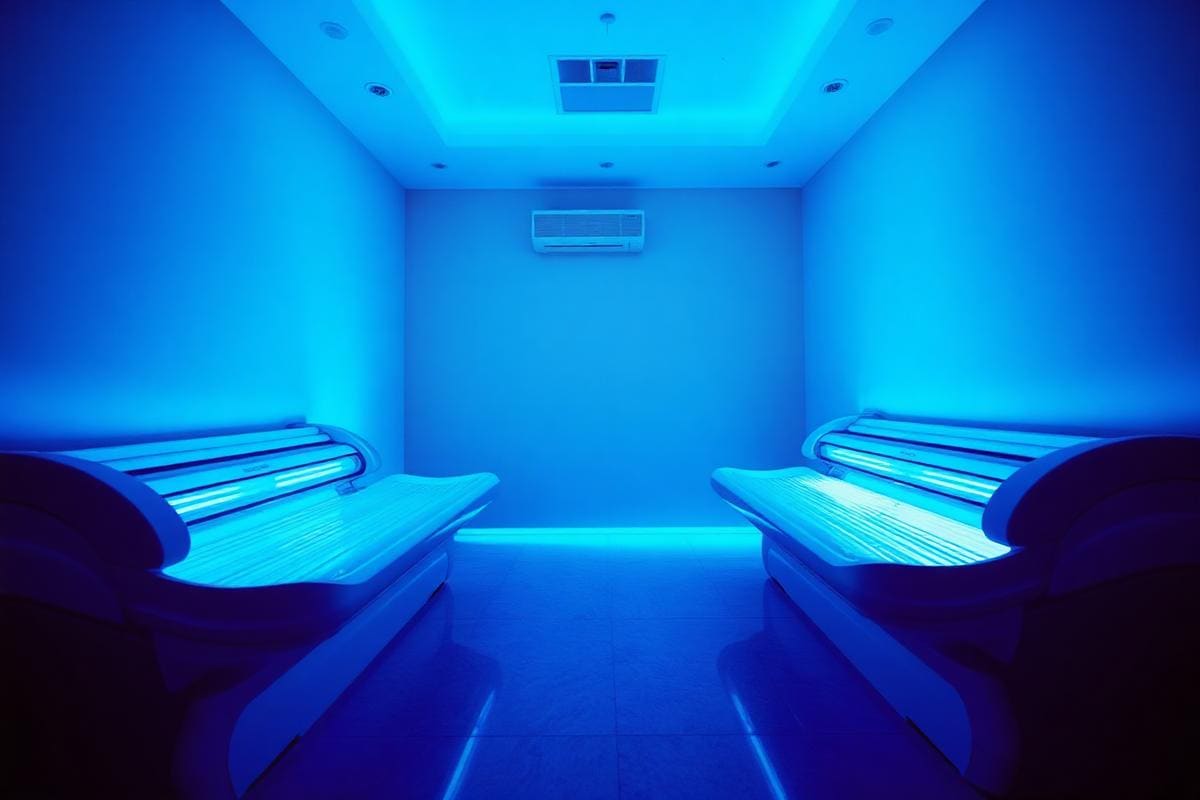
Are Sunbeds Bad for You? Skin Cancer Risk, Tanning Dependence and the Economics of the UK Sunbed Debate
Ultraviolet radiation from sunbeds is classified by the WHO's International Agency for Research on Cancer as carcinogenic to humans (Group 1). In May 2026 the Department of Health and Social Care opened a consultation on strengthening commercial sunbed regulation in England under the Sunbeds (Regulation) Act 2010, and the British Photodermatology Group and British Association of Dermatologists have called for a complete commercial ban. Public debate remains polarised between an absolutist health position and a business-survival position, with little integrated analysis.
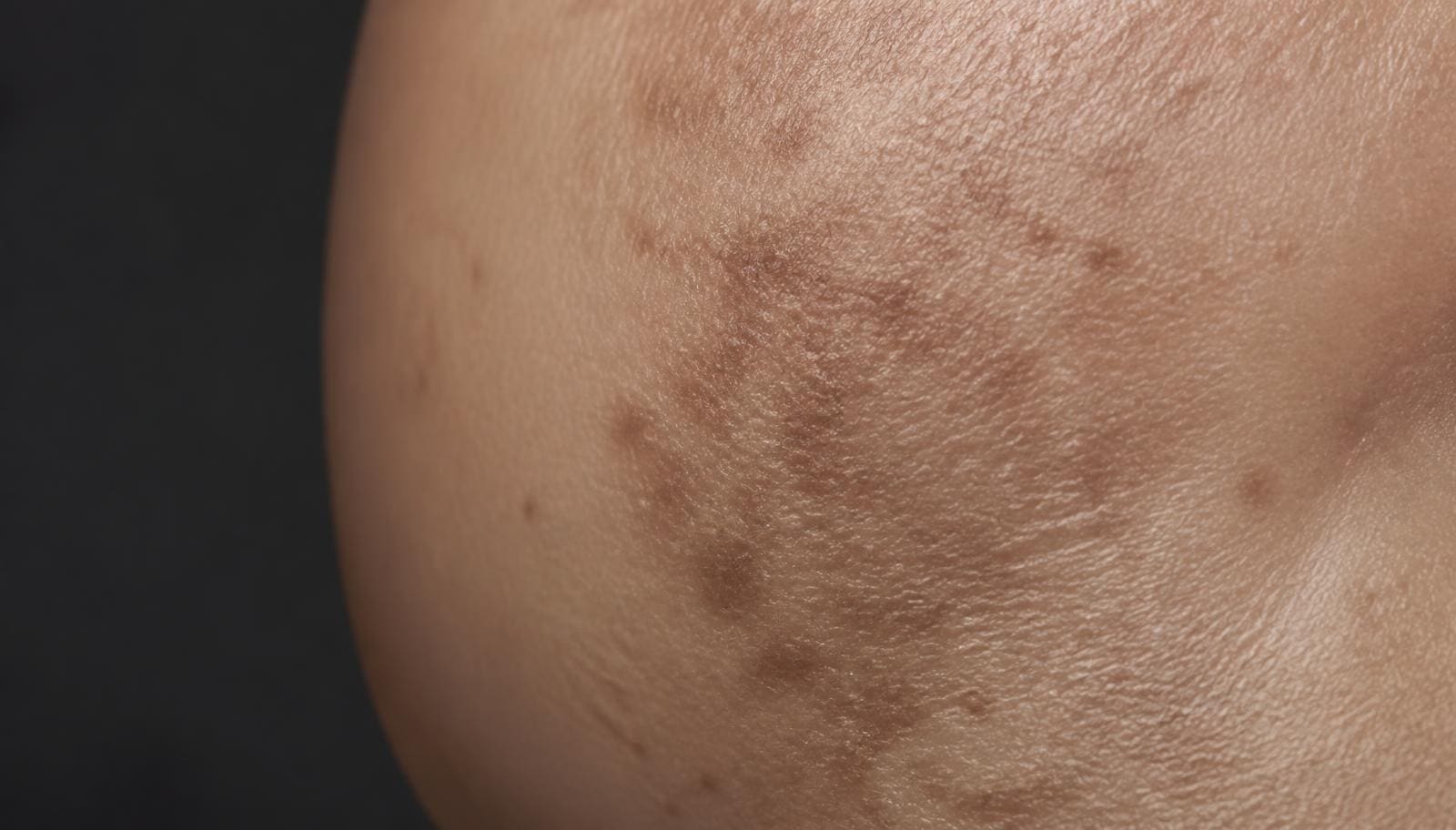
Clinical Efficacy and Safety of Pigment Modulators in Melasma and Post-Inflammatory Hyperpigmentation: A Systematic Review
Pigment care is dominated by the phrase “tyrosinase inhibitor,” applied indiscriminately to agents whose mechanisms, evidence bases and safety profiles differ substantially. This review asks what the human clinical evidence actually supports for interventions intended to inhibit melanogenesis, alter melanin transfer or otherwise modulate pigment biology in melasma and post-inflammatory hyperpigmentation (PIH), and proposes a mechanism taxonomy that separates direct enzyme-targeting agents from indirect pigment modulators.

The Three-Cell Model of Skin Rejuvenation: A Simplified Cellular Framework for Aesthetic Practice
Aesthetic skin practice is crowded with products, devices and protocols, yet the practitioner is rarely offered a simple organising principle that explains why any of them work. This review proposes a deliberately reductive teaching framework — the Three-Cell Model — which holds that almost every meaningful decision in non-surgical skin rejuvenation can be understood through the behaviour of just three resident cell populations: the fibroblast, the melanocyte and the keratinocyte.
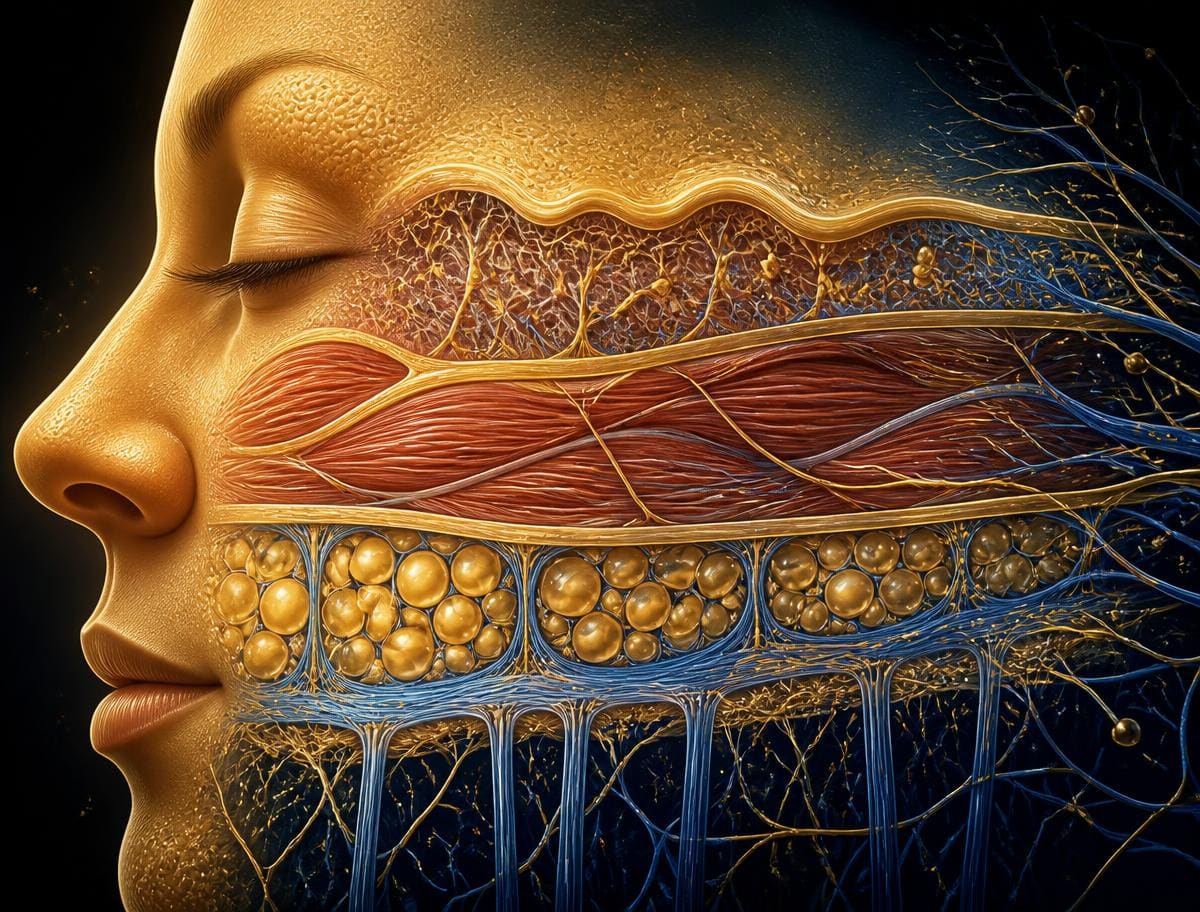
The HSI Mini Scale: Biological Sequencing of Skin, Movement, Support and Descent
Facial ageing is frequently taught as a single chronological cascade in which bone resorbs, fat descends and skin fails, with treatment following the same deep-to-superficial order. Existing clinical scales largely measure one feature at a time — lines, sagging, volume or texture — and validation efforts have historically focused on grading one feature at a time against standardised photographs. Neither the cascade model nor a single-feature score tells the clinician which tissue is actually producing the patient's complaint.
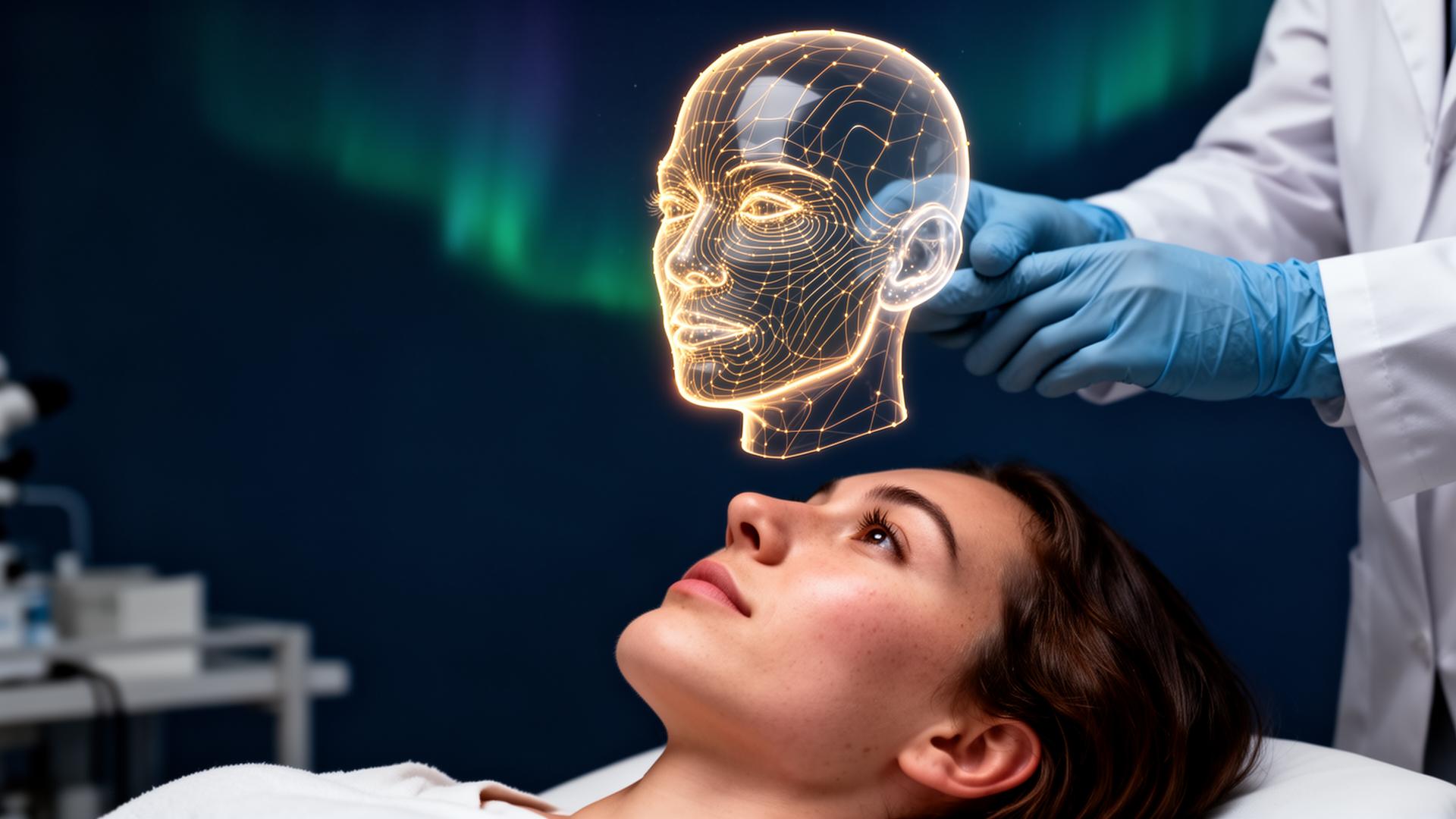
Artificial Intelligence in Aesthetic Medicine: Current Applications, Clinical Governance and Future Directions
Artificial intelligence (AI) is rapidly entering aesthetic medicine through image analysis, skin assessment, treatment planning, outcome simulation, clinical documentation, patient communication and business operations. The specialty is particularly receptive because aesthetic practice depends on visual assessment, reproducible photography, longitudinal comparison and personalised decision-making — yet the pace of adoption now exceeds the maturity of clinical validation.
Other topics