Topic
Botulinum Toxin
Neurotoxin pharmacology, dosing, indications and adverse events.
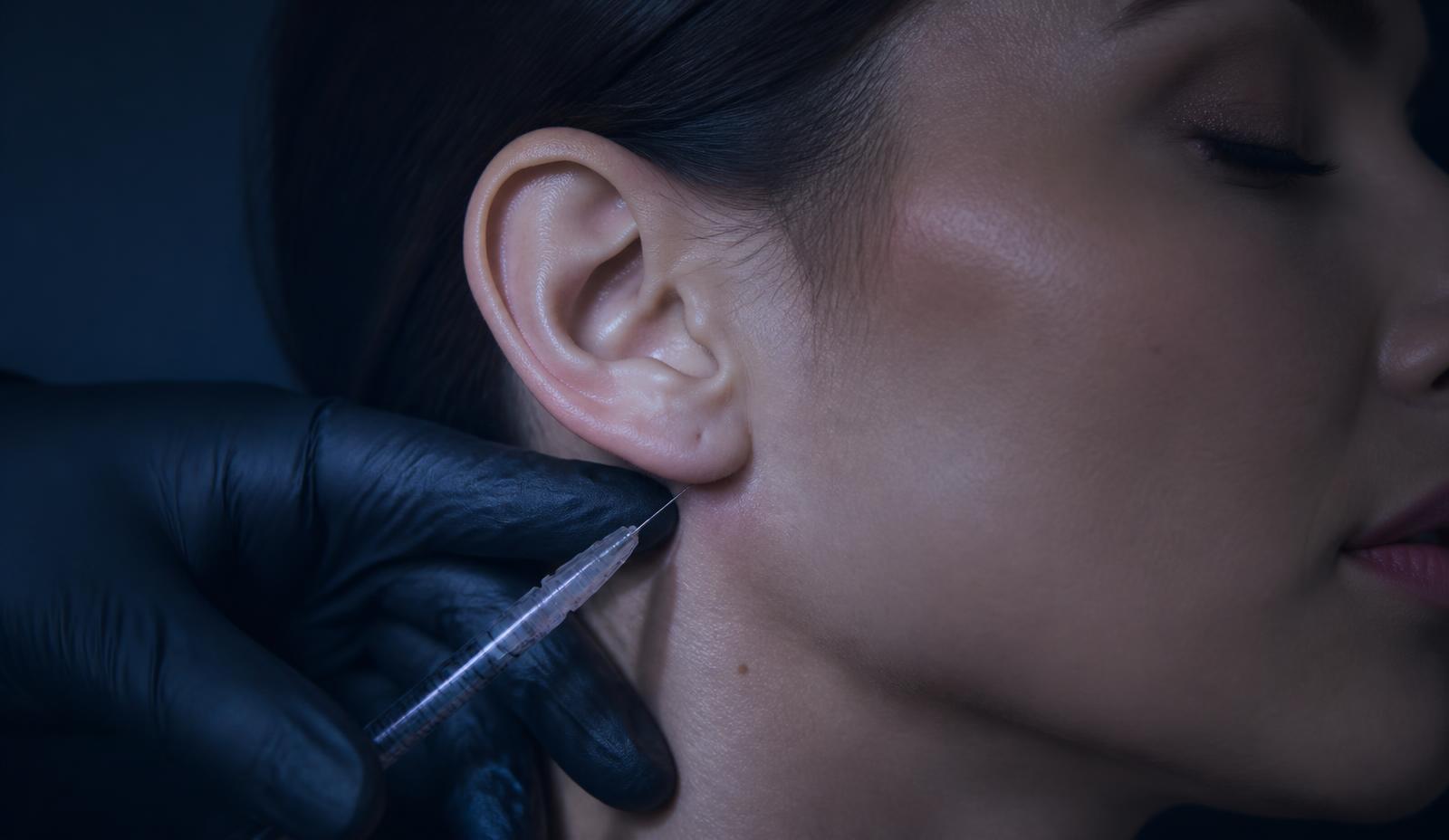
Botulinum Toxin for Tinnitus: What the Evidence Actually Supports Across Masseter, Temporalis, Peri-Auricular and Migraine Protocols
Tinnitus affects an estimated 10–15% of adults, and no pharmacological agent is recommended for its routine treatment by either the American Academy of Otolaryngology–Head and Neck Surgery clinical practice guideline (2014) or NICE guideline NG155 (2020). Botulinum toxin has been proposed for tinnitus on several distinct rationales — chemodenervation of myoclonic middle ear and palatal muscles, reduction of masticatory nociceptive input in somatosensory tinnitus, and modulation of central sensitisation in patients with comorbid chronic migraine. These rationales are frequently conflated in clinical marketing.
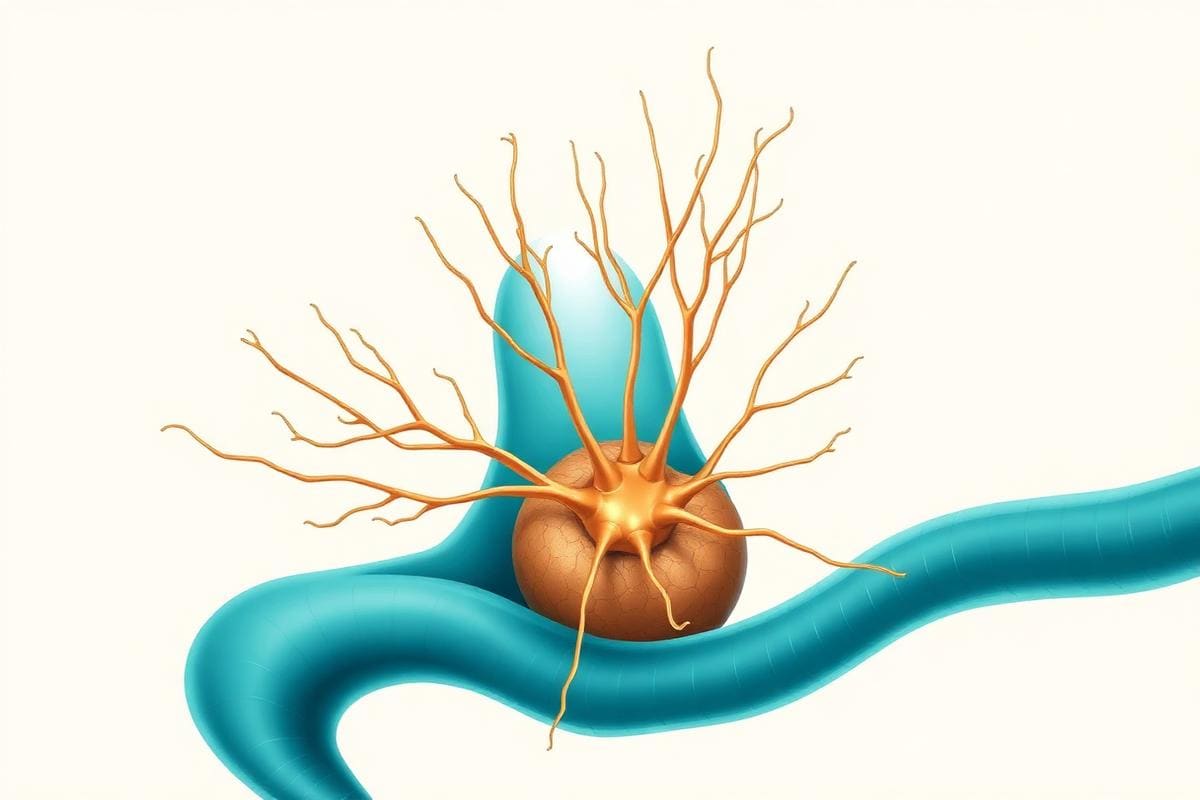
How Long Does Botox Last? Axonal Sprouting, SNAP-25 Persistence and Why Duration Is a Nerve-Regeneration Problem
Clinical duration of botulinum neurotoxin is routinely described as the toxin 'wearing off', implying elimination of the active molecule. The underlying biology is different: intracellular light-chain protease activity persists for many months, cleaved SNAP-25 fragments exert a durable dominant-negative effect, and functional recovery is driven by motor nerve terminal sprouting and subsequent remodelling. The 2026 European approval of trenibotulinumtoxinE (serotype E), with onset from eight hours and duration of two to three weeks, has renewed clinical interest in what actually sets duration.
Dysphagia After Botox: What the MHRA Iatrogenic Botulism Warning Does Not Say About Dose, Depth and Training
On 15 July 2026 the Medicines and Healthcare products Regulatory Agency (MHRA) strengthened warnings across all botulinum toxin type A products following reports of rare iatrogenic botulism, in which toxin effect extends beyond the treated area. Distant spread has been reflected in product information since 2007, and swallowing difficulty is the symptom most often reported by cosmetic patients. The regulatory language describes what happens pharmacologically but says comparatively little about the injector-controlled variables that determine whether it happens at all.
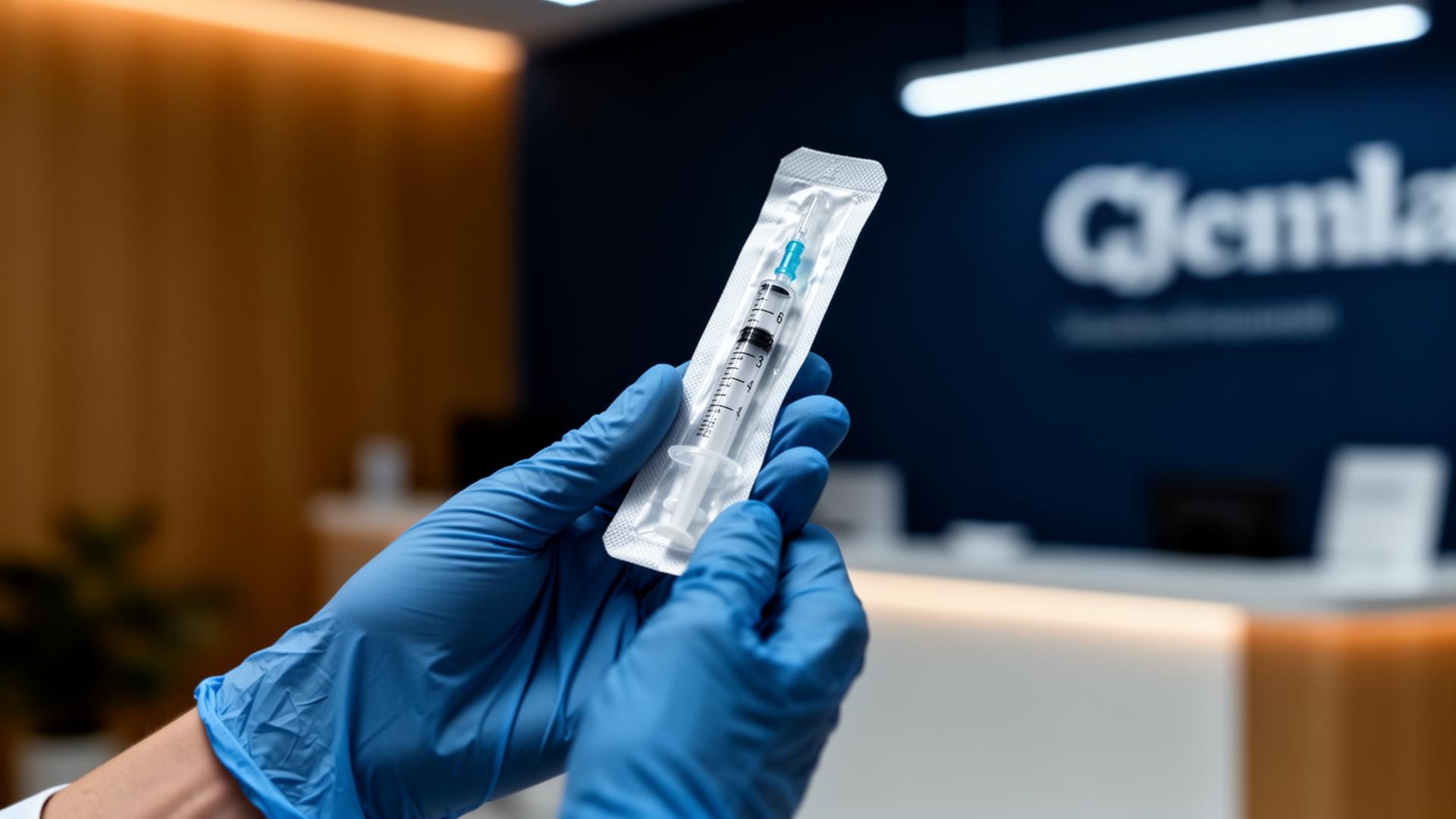
Patient Safety in Non-Surgical Facial Aesthetics: A Systematic Review of Adverse Events, Regulatory Environment and Clinic-Level Protocols
Non-surgical facial aesthetic procedures — predominantly botulinum toxin and hyaluronic acid (HA) dermal filler injections — are among the fastest-growing medical interventions worldwide. The volume of treatments delivered each year now far exceeds the volume of robust safety data collected about them. Reported rates of adverse events vary by more than two orders of magnitude between studies, jurisdictions and practitioner groups, and the most catastrophic events — vascular occlusion, blindness, stroke, necrosis — remain disproportionately attributable to a small number of recurrent, often preventable failure modes.
Why Daxxify Cannot Be "More Irreversible" Than Botox: An Editorial on Duration, Dose Equivalence and the Learning Curve
DaxibotulinumtoxinA-lanm (Daxxify, Revance Therapeutics) has been marketed on the claim that a single glabellar treatment produces a clinical effect lasting approximately six months, roughly double the accepted duration of onabotulinumtoxinA (Botox). The commercial framing implies a categorical pharmacological advance. From a mechanistic standpoint this framing is misleading: both molecules produce essentially irreversible cleavage of SNAP-25 inside the affected motor nerve terminal, and clinical recovery in both cases is governed by axonal sprouting and neuromuscular junction remodelling, not by dissociation of toxin from receptor.
Other topics