
Why Aesthetic Talk Beats a Masters in Aesthetic Medicine
20 Years of Clinical Wisdom vs. Academic Theory — There's No Contest
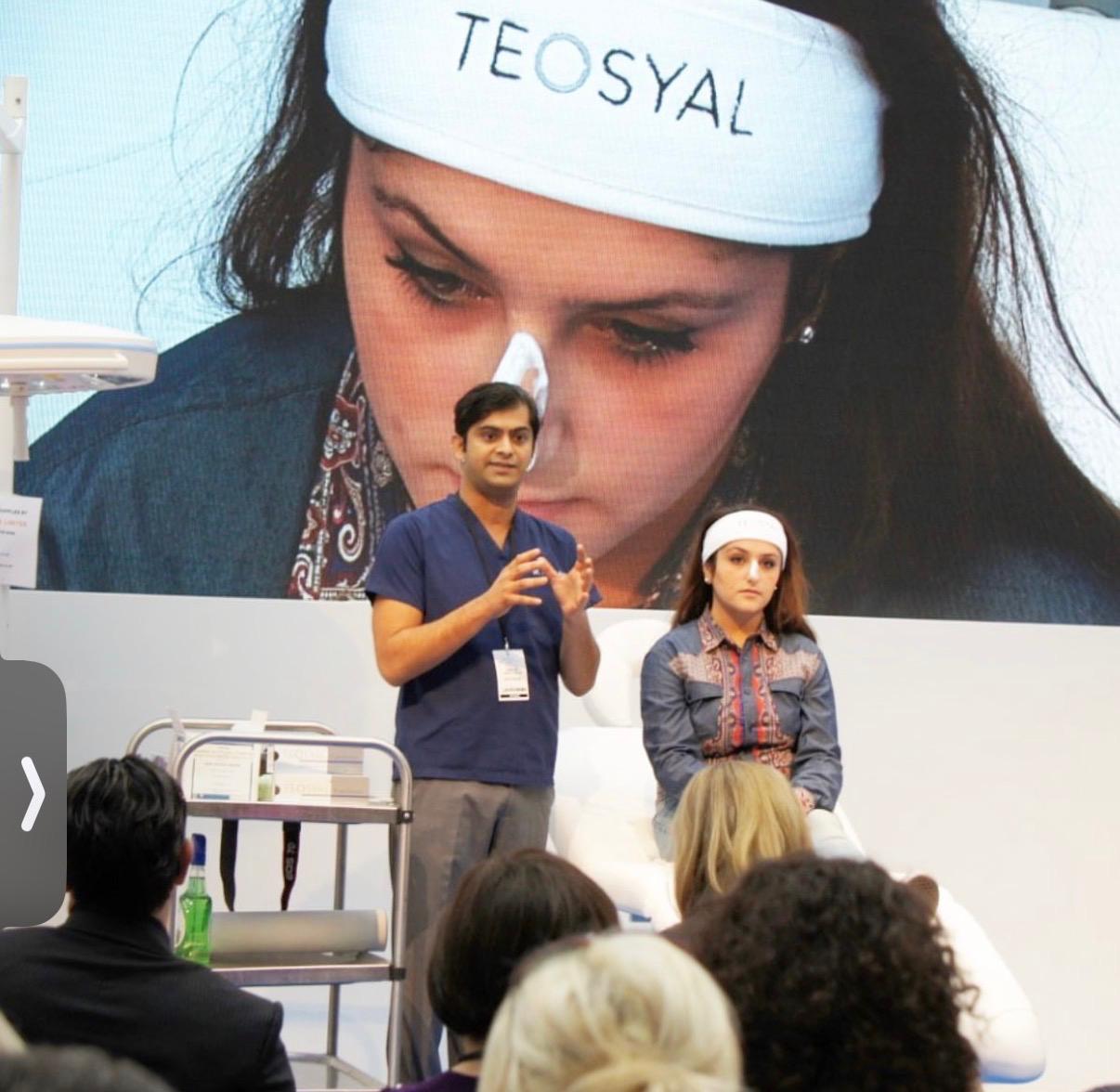
Let's cut through the noise. You're considering your options in aesthetic medicine, and somewhere between Google searches and Instagram reels, you've stumbled upon the idea of a Masters degree. It sounds impressive. The letters after your name. The graduation ceremony. The validation from an institution with centuries of history and not a single wrinkle between them.
But here's the uncomfortable truth nobody at the university admissions office is going to tell you: a Masters in Aesthetic Medicine is designed by academics, for academics, to satisfy academic criteria. It's a beautiful piece of paper proving you can endure two years of theoretical frameworks, write dissertations nobody will read, and regurgitate answers in controlled examination conditions.
What it won't teach you is what happens when a cannula meets resistance at the wrong depth. It won't prepare you for the micro-expressions that flicker across a patient's face when they're lying about their expectations. It won't give you the muscle memory to thread filler through the supraperiosteal plane with precision that only comes from thousands of treatments.
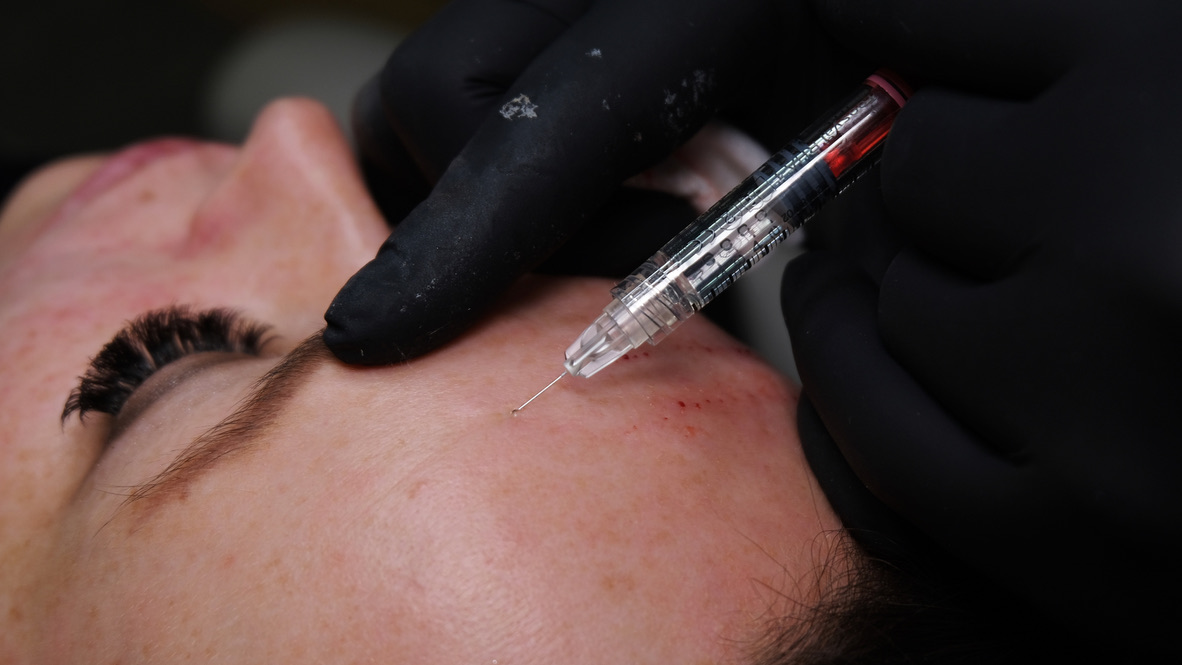
Understanding injection planes through practical demonstration
Clinical precision that only comes from experience
The Problem With Modular Learning
Universities love modules. They're neat. They're measurable. They fit into spreadsheets and satisfy quality assurance committees. Module 1: Introduction to Facial Anatomy. Module 2: Principles of Botulinum Toxin. Module 3: Dermal Filler Theory. It's all very organised, very predictable, and absolutely nothing like real clinical practice.
Real aesthetic medicine doesn't happen in modules. It happens in moments — the split-second decision when you're assessing a nasolabial fold and realising the patient actually needs volume in the lateral cheek, not a direct fill that'll look like a chipmunk storing nuts. These connections, these intuitive leaps, don't come from textbooks written by professors who haven't touched a syringe in a decade.
They come from twenty years of clinical observation. From seeing patterns across ten thousand faces. From making mistakes that became masterclasses. From developing frameworks that actually work in the chaos of a busy clinic, not the sterile isolation of an examination hall.
"A Masters teaches you to pass exams. Clinical experience teaches you to see. There's no module for developing an aesthetic eye — only thousands of hours of deliberate observation."
What Twenty Years Actually Teaches You
Here's what two decades of injecting faces reveals that no curriculum committee has ever considered worth including:
The dermis doesn't feel the same in everyone. Skin quality varies not just between patients but between facial zones on the same patient. The resistance you feel passing through a 65-year-old's marionette line is worlds apart from a 35-year-old's. And that tactile feedback — that conversation between your hand and their tissue — is something you develop over years, not semesters.
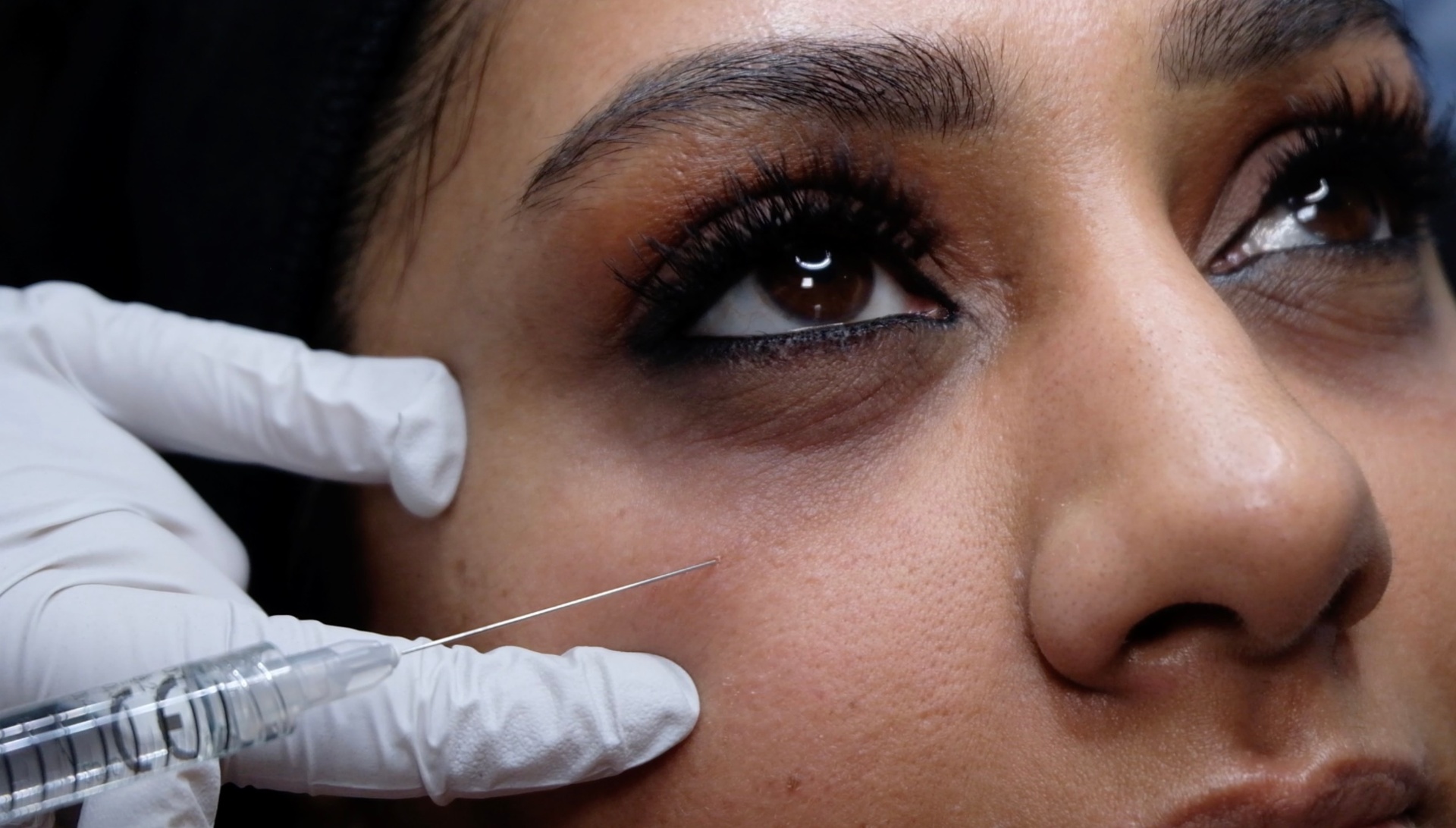
Patients lie. Not maliciously, but optimistically. They tell you they want "subtle" when they mean "transformative." They say they're "just curious" when they've already booked annual leave for recovery. Learning to decode these communications, to understand the psychology beneath the request — that's not in any textbook because it can't be. It's observational wisdom, accumulated one consultation at a time.
The facial muscles interact in ways anatomy atlases don't capture. Inject the procerus without understanding its relationship to the corrugator and you'll create compensatory patterns that look unnatural. This interconnected thinking — this holistic view of the face as a dynamic system rather than a collection of named parts — takes years to develop.
Why Free Trumps Expensive
A Masters in Aesthetic Medicine will cost you somewhere between £15,000 and £35,000. Two years of your life. Countless hours of commuting, reading, writing, and stressing about deadlines. At the end, you'll have letters after your name and debt in your bank account.
Aesthetic Talk gives you the distilled wisdom of those twenty clinical years — free. Not because it's worth less, but because the mission is different. University programmes exist to sustain university programmes. Academic departments need students to justify their existence, publications to maintain their ranking, research grants to keep the lights on. Their incentive is to stretch learning into the maximum number of credit hours.
Our incentive is to make you competent. Quickly. Effectively. With knowledge you'll actually use on Monday morning when a patient sits in your chair expecting results.
The Aesthetic Talk Difference
Twenty-one chapters that cut through academic bloat. Each one born from clinical necessity, not curriculum requirements. We teach the planes-based approach because that's how experienced injectors actually think — not by named structures but by depth and resistance. We cover the muscles of expression because understanding their interplay is fundamental to predicting outcomes, not because it looks good on a syllabus.
This isn't dumbed-down content for beginners. This is refined, concentrated knowledge for practitioners who don't have two years to spend on theory they'll never apply. It's advanced aesthetic courses distilled to their essence, stripped of padding, delivered in language that respects your intelligence and your time.
You finish with 5 AiCE points (equivalent to 5 hours CPD) and, more importantly, with understanding that would take years to develop on your own. Understanding that many Masters graduates never achieve because they learned to pass exams, not to see faces.
The Bottom Line
A Masters gives you academic credibility. Aesthetic Talk gives you clinical capability. In a field where patients judge you by results, not certificates, the choice should be obvious.
Stop learning to satisfy examiners. Start learning to satisfy patients.
Twenty years of wisdom. Twenty-one chapters. Zero cost.
The only question is why you're still reading this instead of starting Chapter One.