Topic
Dermal Fillers
Hyaluronic acid and biostimulator filler science, technique and outcomes.

Managing Dermal Filler Complications: A Step-by-Step Protocol Handbook for Prevention, Recognition and Reversal
Dermal fillers are among the most frequently performed non-surgical procedures worldwide, and hyaluronic acid accounts for the majority of injectable soft-tissue augmentation. Most adverse events are mild and self-limiting, but vascular occlusion, tissue necrosis, visual loss and cerebrovascular injury can produce permanent morbidity. Published consensus guidance is now substantial, yet complications continue to be mismanaged at the level of sequence, threshold and technique rather than knowledge.
Superficial Versus Deep Midfacial Fat: What Changes When the Buccal Fat Pad Is Counted Separately — and What Should That Mean for Filler Treatment?
The division of facial adipose tissue into superficial and deep compartments has profoundly influenced modern injectable practice. A common therapeutic interpretation is that ageing preferentially reduces deep facial fat, causing secondary superficial descent and therefore favouring deep-first volumetric restoration. However, published estimates of the amount of “deep fat” vary considerably depending on which structures are included. In particular, grouping the relatively large buccal fat pad with the injectable-relevant deep midface compartments substantially changes the apparent superficial-to-deep ratio.
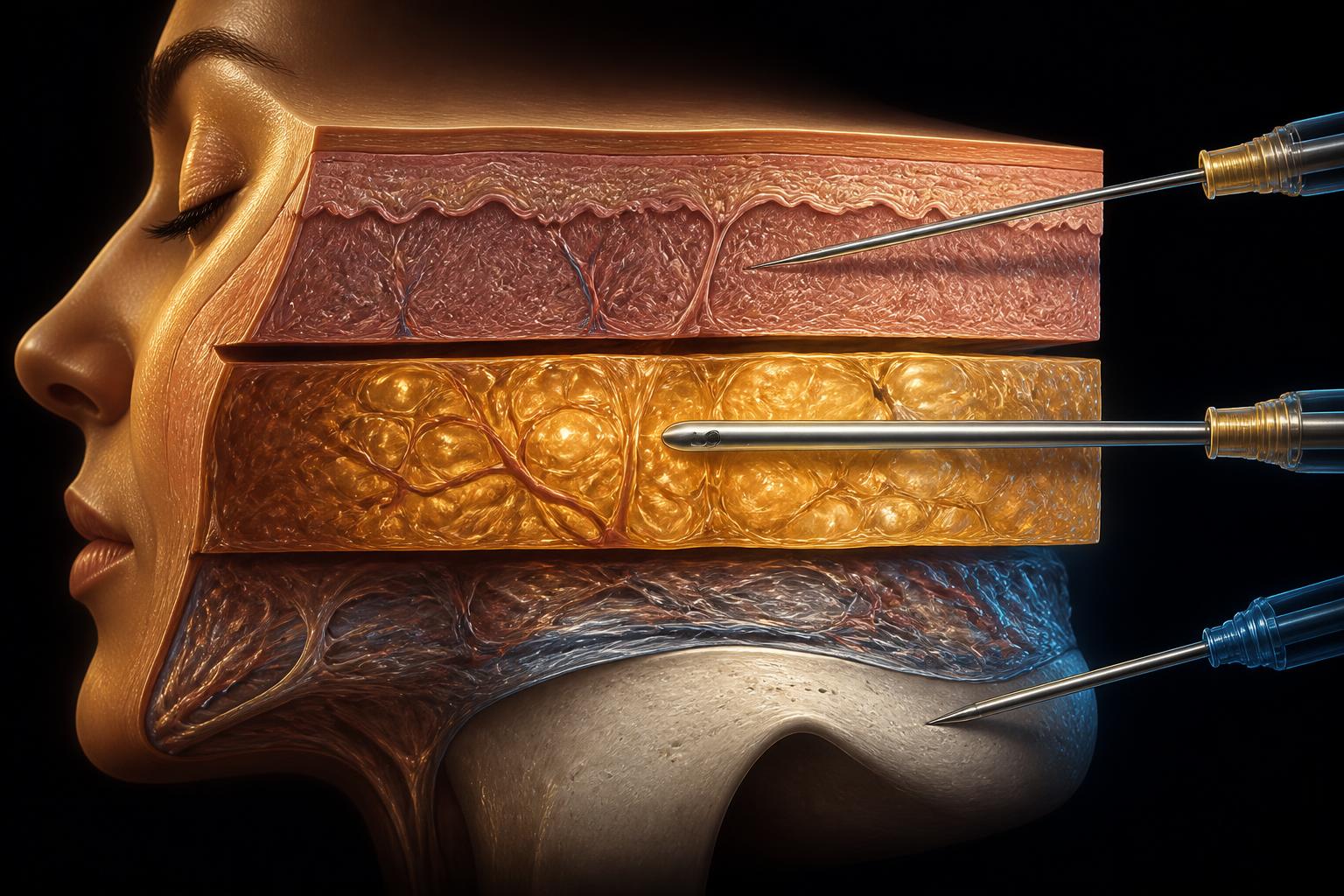
The Three-Layer Filler Model: Depth as the Anatomy of Injection
Every clinical discipline works with the anatomy its tools allow it to see. The surgeon confirms the course of a vessel under direct vision; the radiologist images the structure before anything is done. The aesthetic injector has neither — the needle works blind, and no amount of memorised anatomical variation can be verified at the moment of injection.
Patient Safety in Non-Surgical Facial Aesthetics: A Systematic Review of Adverse Events, Regulatory Environment and Clinic-Level Protocols
Non-surgical facial aesthetic procedures — predominantly botulinum toxin and hyaluronic acid (HA) dermal filler injections — are among the fastest-growing medical interventions worldwide. The volume of treatments delivered each year now far exceeds the volume of robust safety data collected about them. Reported rates of adverse events vary by more than two orders of magnitude between studies, jurisdictions and practitioner groups, and the most catastrophic events — vascular occlusion, blindness, stroke, necrosis — remain disproportionately attributable to a small number of recurrent, often preventable failure modes.
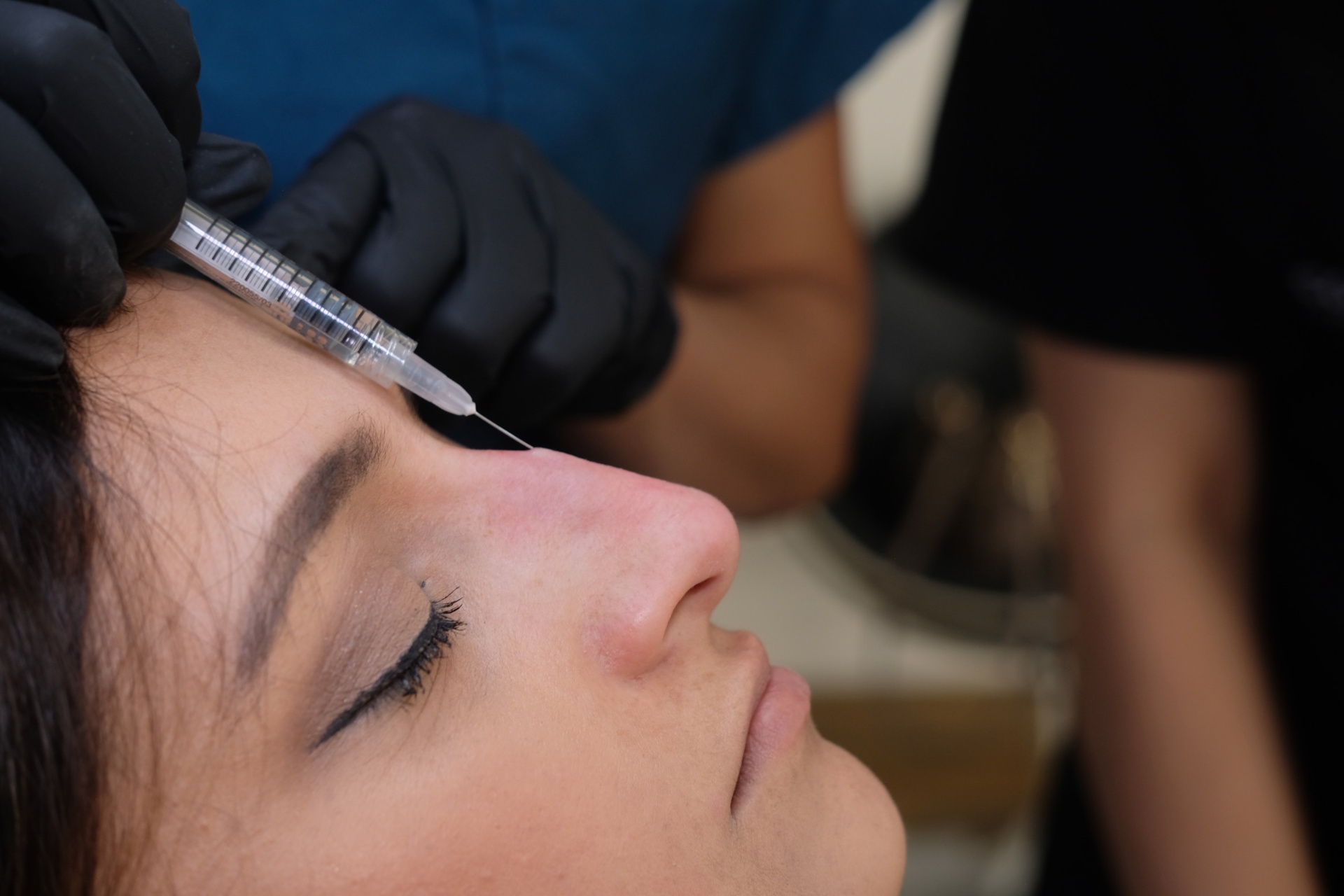
The Role of Injection Anatomy in Reducing Complications in Dermal Filler Practice
Vascular complications from dermal fillers are uncommon but devastating when they occur. The single most useful mental model for the non-surgical injector is not a map of named arteries — it is a map of depth. The vessels that matter are stratified, layer by layer, and the tool in your hand has to match the layer it is in.

Vascular Complications in Aesthetic Medicine: Prevention, Recognition and Management
Intra-arterial injection of dermal filler is the single most consequential complication in non-surgical aesthetic medicine. Although rare per millilitre injected, it carries the potential for skin necrosis, scarring and — in the case of retrograde embolisation to the ophthalmic circulation — irreversible blindness (Beleznay et al., 2019; Goodman et al., 2020). The window between event and irreversible tissue loss is short, and outcome is determined almost entirely by whether a written, rehearsed emergency protocol is executed within hours, not days.
Other topics