Review Article
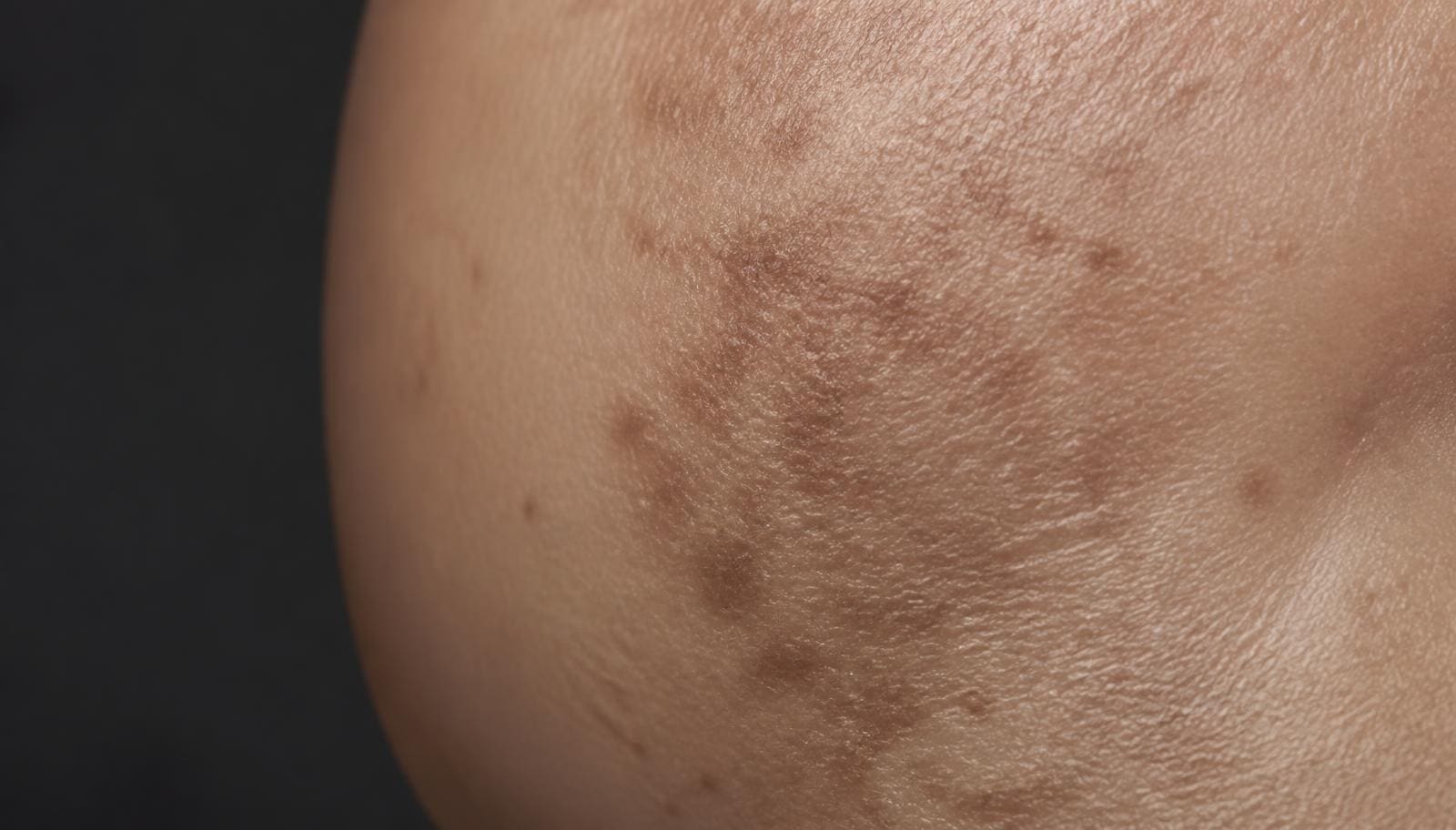
Clinical Efficacy and Safety of Pigment Modulators in Melasma and Post-Inflammatory Hyperpigmentation: A Systematic Review
Harley Street Institute · London
Aesthetic Intelligence · Peer-reviewed open access
Dr Ahmed Haq1
- 1 Founder and Medical Director, Harley Street Institute, London, United Kingdom
Corresponding author: journal@harleystreetinstitute.com
Journal: Aesthet Intell
DOI: to be assigned
Volume / Issue: 1 / 7
Pages: 137–158
Received: 2026-06-30
Accepted: 2026-07-05
Published: 2026-07-14
Licence: CC BY 4.0
Editorial note
Almost every pigment product on the market claims to be a tyrosinase inhibitor. Most of them are not, and several of the ones that genuinely are do less in a patient's hands than a well-tolerated regimen the patient actually finishes. Colour is emotive, improvement is slow, and the gap between those two facts is where overclaiming lives.
This review is an attempt to hold the line on language. Direct enzyme-targeting is one category. Indirect modulation is another. Melanosome transfer is a third. Turnover is a fourth. And underneath all of them sits photoprotection and a barrier that will tolerate treatment — the least glamorous intervention in pigment care and the one that most often decides the result.
Abstract
- Background.
- Pigment care is dominated by the phrase “tyrosinase inhibitor,” applied indiscriminately to agents whose mechanisms, evidence bases and safety profiles differ substantially. This review asks what the human clinical evidence actually supports for interventions intended to inhibit melanogenesis, alter melanin transfer or otherwise modulate pigment biology in melasma and post-inflammatory hyperpigmentation (PIH), and proposes a mechanism taxonomy that separates direct enzyme-targeting agents from indirect pigment modulators.
- Methods.
- A reproducible PubMed/MEDLINE query combined melasma or post-inflammatory hyperpigmentation with hydroquinone, tranexamic acid (TXA), kojic acid, arbutin, vitamin C, azelaic acid, niacinamide, cysteamine, rucinol/4-n-butylresorcinol, retinoids and thiamidol, filtered for randomisation, placebo or control. The query retrieved 409 records; rule-based title/abstract triage retained 320 for manual review, from which targeted primary-report verification across five prespecified evidence streams generated ten study-level appraisals. Randomised reports were appraised qualitatively using RoB-2-informed domains. Numerical pooling was not attempted because actives, vehicles, concentrations, delivery routes, phototypes, photoprotection instructions and outcome scales differed markedly. Certainty statements are qualitative rather than formal GRADE ratings.
- Results.
- Hydroquinone remains the reference direct enzyme-targeting medicine, and the strongest short-term comparative signal in the verified set is formulation-specific: fluocinolone acetonide 0.01% / hydroquinone 4% / tretinoin 0.05% achieved a none-or-mild global severity score at eight weeks in 64.2% of participants versus 39.4% for hydroquinone alone. Topical TXA 5% and hydroquinone 3% produced similar 12-week MASI reduction (27.0% versus 26.7%) with less local irritation in the TXA arm; a meta-analysis of 28 randomised melasma trials found a significant pooled signal for oral TXA at eight and 12 weeks, with extremely high heterogeneity, while topical and intradermal route analyses were not significant in that synthesis. Alpha-arbutin 5% plus kojic acid 2% showed no statistically significant mMASI or melanin-index difference against triple combination at 12 weeks in a split-face pilot, though physician global assessment favoured triple combination and irritation was more frequent with it. Vitamin C evidence is delivery-specific, supported by an iontophoresis split-face trial rather than by ordinary serum use. 4-n-butylresorcinol and rucinol produced vehicle-controlled reductions in melanin index in small, short split-face studies. Niacinamide belongs to the melanosome-transfer category and is usually studied within multi-active products; azelaic acid functions as a bridge agent across inflammatory disease and pigment; retinoids are best framed as turnover- and inflammation-modifying adjuncts.
- Conclusion.
- The evidence supports a three-layer clinical structure rather than a hierarchy of “brighteners”: a foundational photoprotection and barrier platform, diagnosis-led selection of an appropriate pigment-modulating category, and parallel treatment of the inflammation that generates PIH. Melasma and PIH are best taught through the melanocyte–keratinocyte unit. Direct enzyme-targeting and indirect modulating categories overlap biologically but are not clinically interchangeable, and claim language should follow the mechanism and the certainty of the evidence rather than the visibility of the result.
Keywords: melasma, post-inflammatory hyperpigmentation, tyrosinase inhibitor, hydroquinone, tranexamic acid, melanocyte, keratinocyte, systematic review
| Evidence domain | What the article reports | How to interpret it |
|---|---|---|
| Background | Pigment care is dominated by the phrase “tyrosinase inhibitor,” applied indiscriminately to agents whose mechanisms, evidence bases and safety profiles differ substantially. This review asks what the human clinical evidence actually supports for interventions intended to inhibit melanogenesis, alter melanin transfer or otherwise modulate pigment biology in melasma and post-inflammatory hyperpigmentation (PIH), and proposes a mechanism taxonomy that separates direct enzyme-targeting agents from indirect pigment modulators. | Defines the problem and the reason for review or investigation. |
| Methods | A reproducible PubMed/MEDLINE query combined melasma or post-inflammatory hyperpigmentation with hydroquinone, tranexamic acid (TXA), kojic acid, arbutin, vitamin C, azelaic acid, niacinamide, cysteamine, rucinol/4-n-butylresorcinol, retinoids and thiamidol, filtered for randomisation, placebo or control. The query retrieved 409 records; rule-based title/abstract triage retained 320 for manual review, from which targeted primary-report verification across five prespecified evidence streams generated ten study-level appraisals. Randomised reports were appraised qualitatively using RoB-2-informed domains. Numerical pooling was not attempted because actives, vehicles, concentrations, delivery routes, phototypes, photoprotection instructions and outcome scales differed markedly. Certainty statements are qualitative rather than formal GRADE ratings. | Shows how the evidence or observations were assembled. |
| Results | Hydroquinone remains the reference direct enzyme-targeting medicine, and the strongest short-term comparative signal in the verified set is formulation-specific: fluocinolone acetonide 0.01% / hydroquinone 4% / tretinoin 0.05% achieved a none-or-mild global severity score at eight weeks in 64.2% of participants versus 39.4% for hydroquinone alone. Topical TXA 5% and hydroquinone 3% produced similar 12-week MASI reduction (27.0% versus 26.7%) with less local irritation in the TXA arm; a meta-analysis of 28 randomised melasma trials found a significant pooled signal for oral TXA at eight and 12 weeks, with extremely high heterogeneity, while topical and intradermal route analyses were not significant in that synthesis. Alpha-arbutin 5% plus kojic acid 2% showed no statistically significant mMASI or melanin-index difference against triple combination at 12 weeks in a split-face pilot, though physician global assessment favoured triple combination and irritation was more frequent with it. Vitamin C evidence is delivery-specific, supported by an iontophoresis split-face trial rather than by ordinary serum use. 4-n-butylresorcinol and rucinol produced vehicle-controlled reductions in melanin index in small, short split-face studies. Niacinamide belongs to the melanosome-transfer category and is usually studied within multi-active products; azelaic acid functions as a bridge agent across inflammatory disease and pigment; retinoids are best framed as turnover- and inflammation-modifying adjuncts. | Summarises the principal findings reported by the authors. |
| Conclusion | The evidence supports a three-layer clinical structure rather than a hierarchy of “brighteners”: a foundational photoprotection and barrier platform, diagnosis-led selection of an appropriate pigment-modulating category, and parallel treatment of the inflammation that generates PIH. Melasma and PIH are best taught through the melanocyte–keratinocyte unit. Direct enzyme-targeting and indirect modulating categories overlap biologically but are not clinically interchangeable, and claim language should follow the mechanism and the certainty of the evidence rather than the visibility of the result. | States the authors’ clinical interpretation and its limits. |
Postgraduate Level
Complete this article to earn your certificate
Read the article, complete a short assessment, and submit your reflection to receive your AiCE Points certificate. Equivalence to 1 CPD/CME point — we do not award CPD/CME directly.
Learning Objectives
- 1Distinguish direct enzyme-targeting agents from indirect pigment modulators, melanosome-transfer agents and turnover modifiers
- 2Interpret the triple-combination versus hydroquinone evidence as formulation- and duration-specific rather than class-wide
- 3Differentiate topical, intradermal and oral tranexamic acid evidence and communicate each route separately
- 4Recognise vitamin C as a delivery-dependent redox-active modulator rather than a universal tyrosinase inhibitor
- 5Apply a three-layer framework: photoprotection and barrier, diagnosis-led active selection, and control of the inflammatory source
- 6Use claim language that matches the mechanism and the certainty of the underlying evidence
Pigment Modulators — Quick Reference
Direct enzyme-targeting
- Agents
- Hydroquinone, kojic acid, alpha-arbutin, azelaic acid, 4-n-butylresorcinol/rucinol, thiamidol.
- Logic
- Acts at tyrosinase or a closely connected melanogenic enzyme, often with additional actions.
- Say
- “Direct or tyrosinase-focused action” — not “guaranteed melanin blocker.”
- Caution
- Category membership does not make agents interchangeable or fit for indefinite unsupervised use.
Indirect modulation
- Agents
- Tranexamic acid, vitamin C, cysteamine.
- Logic
- Redox, plasmin-related, inflammatory, vascular or transcriptional signalling.
- TXA routes
- Topical, intradermal and oral evidence differ — never communicate them as equivalent.
- Vitamin C
- Delivery-dependent; iontophoresis evidence does not validate every home serum.
Transfer and turnover
- Niacinamide
- Melanosome-transfer modulator — the recipient-keratinocyte side of pigment.
- Retinoids
- Turnover- and inflammation-modifying adjunct; irritation can worsen PIH.
- Azelaic acid
- Bridge agent across inflammatory disease and pigment.
Three-layer framework
- Layer 1
- Photoprotection (including visible light) and barrier care — reduce ongoing activation.
- Layer 2
- Diagnosis-led selection of a pigment-modulating category.
- Layer 3
- Treat the source of inflammation — acne, rosacea, dermatitis, procedural irritation.
- Endpoint
- Reduction, stabilisation and maintenance — not permanent removal.
1. Introduction
Melasma and post-inflammatory hyperpigmentation (PIH) are among the most common presentations in aesthetic and general dermatology practice, and among the most frequently mishandled. Both are chronic, both are relapsing, and both are emotionally significant to the patient in a way that encourages the promise of removal rather than the offer of control.[15,16]
The commercial vocabulary of the field compounds the problem. The phrase “tyrosinase inhibitor” has become a generic marketing label attached to agents whose biochemical relationship with tyrosinase ranges from well-characterised direct interference to none at all. Because the category label carries clinical authority, it transfers unearned credibility from one agent to another.
This review therefore serves two aims. The first is to summarise the human clinical evidence for topical and systemic interventions intended to modulate pigment biology in melasma and PIH. The second is to propose a taxonomy that keeps mechanism, evidence and claim in alignment. It extends the cellular framework set out in the companion review of the fibroblast, melanocyte and keratinocyte by examining the melanocyte and its recipient keratinocyte as a functional pair rather than as separate chapters.
409
Records retrieved
PubMed/MEDLINE query
320
Title/abstract triage
Retained for manual review
10
Study-level appraisals
Across five evidence streams
5
Evidence streams
Prespecified before appraisal
2. What counts as an inhibitor?
In this review, a direct enzyme-targeting agent is one with credible biochemical evidence of acting at tyrosinase or a closely connected melanogenic enzyme. That category includes hydroquinone, kojic acid, arbutin derivatives, azelaic acid, 4-n-butylresorcinol/rucinol and thiamidol. An indirect pigment modulator influences the pigment system without being principally defined by direct tyrosinase inhibition: TXA alters plasmin-associated and melanocyte–keratinocyte signalling; niacinamide reduces melanosome transfer; vitamin C is chiefly a redox-active and formulation-sensitive intervention; retinoids alter turnover, inflammatory tone and the handling of pigment within keratinocytes.[13,15]
This distinction corrects a common educational error in both directions. An agent can be a useful pigment therapy without being a direct tyrosinase inhibitor, and an agent with an elegant enzyme assay may lack the clinical evidence to justify a broad claim. Melanin synthesis begins with tyrosine conversion to L-DOPA and then dopaquinone under tyrosinase control, with downstream eumelanin and pheomelanin branches, melanosome maturation and transfer to keratinocytes. The relevant clinical unit is not the enzyme but the epidermal melanin unit — melanocytes, their dendrites, melanosomes and recipient keratinocytes — which behaves as a communications network rather than a one-enzyme assembly line.
Mechanism taxonomy of pigment-modulating agents
Category membership determines the claim that may be made, independent of how visible the clinical result appears.
| Agent | Mechanism category | Claim that the evidence supports |
|---|---|---|
| Hydroquinone | Direct enzyme-targeting | Reference short-term depigmenting medicine |
| Thiamidol / 4-n-butylresorcinol | Direct enzyme-targeting | Melanin-index reduction in small, short split-face studies |
| Tranexamic acid | Indirect modulator (vascular / plasmin pathway) | Comparable 12-week MASI reduction to hydroquinone, better tolerated |
| Kojic acid / arbutin | Indirect modulator | Adjunctive; non-inferiority not established |
| Vitamin C | Indirect modulator, delivery-dependent | Supported by iontophoresis data, not ordinary serum use |
| Niacinamide | Melanosome-transfer inhibition | Usually studied inside multi-active formulations |
| Azelaic acid | Bridge agent (inflammation + pigment) | Useful where inflammatory disease drives PIH |
| Retinoids | Turnover / inflammation modification | Adjunct, not a primary depigmenting agent |
Categories overlap biologically but are not clinically interchangeable.
3. Methods
Review question: in people with melasma or PIH, what are the efficacy and safety of topical or systemic interventions intended to inhibit melanogenesis, alter melanin transfer or otherwise directly modulate pigment biology?
Eligible evidence comprised human clinical studies — randomised controlled trials, controlled clinical studies and interpretable prospective single-arm studies. Cell, animal and ex-vivo studies were excluded from clinical-effect estimates and used only to explain mechanism. Energy-based procedures alone were excluded, although they could appear as a co-intervention where the active pigment-modulating intervention was identifiable. Outcomes of interest were MASI/mMASI, melanin index or colorimetry, global assessment, recurrence, quality of life and adverse events. Proprietary multi-active products with undisclosed composition were excluded.
The PubMed/MEDLINE query combined melasma or post-inflammatory hyperpigmentation with hydroquinone, TXA, kojic acid, arbutin, vitamin C/ascorbic acid, azelaic acid, niacinamide, cysteamine, rucinol/butylresorcinol, retinoids and thiamidol, with a clinical-trial, randomisation, placebo or control filter. It retrieved 409 records; rule-based title/abstract triage retained 320 for manual review; targeted primary-report verification across five prespecified streams generated ten study-level appraisals. This is presented as an interim selection framework, not as a final PRISMA flow diagram.
Randomised reports were appraised qualitatively using RoB-2-informed domains: randomisation and allocation, departures from intended intervention, missing outcome data, outcome measurement and selective reporting. Non-comparative evidence was assessed for baseline confounding, expectation effects, co-interventions and missing data. Numerical synthesis was not attempted, because studies differed in active, concentration, vehicle, application schedule, sunscreen instruction, delivery device, phototype, time point and outcome scale.
Source: Study-level appraisals as reported in the verified evidence set; trials are not pooled.
4. Results: hydroquinone and triple-combination therapy
Hydroquinone is the reference direct enzyme-targeting agent in this evidence base, and its activity is broader than a simplified “tyrosinase block”: the literature describes inhibition of melanin formation, effects on melanocyte nucleic-acid processes and melanosome effects.[15] The clinical question is not whether hydroquinone is active in isolation, but how it performs within a supervised, time-limited regimen with photoprotection and, where appropriate, adjunctive tretinoin and an anti-inflammatory steroid.
In an investigator-blinded multicentre randomised comparison, fluocinolone acetonide 0.01%, hydroquinone 4% and tretinoin 0.05% achieved a none-or-mild global severity score at eight weeks in 64.2% of participants, compared with 39.4% using hydroquinone alone (P<0.001).[1] Treatment-related adverse events were more frequent with triple combination, though none were severe. This supplies the strongest short-term comparative signal in the verified set, but it is an eight-week, formulation-specific and supervision-specific result. It does not license indefinite maintenance use, and it cannot separate the contribution of each ingredient.
Hydroquinone also demonstrates why safety language matters. Irritation can worsen pigmentary disease; prolonged, inappropriate or unsupervised use has been associated with adverse effects including exogenous ochronosis; and regulatory status differs internationally, from prescription medicine to restricted or prohibited cosmetic use. The defensible professional position is neither that hydroquinone is dangerous nor that it is a universal gold standard, but that it is a clinically active, regulation-sensitive medicine whose place depends on indication, supervision, duration and tolerance.
Source: Randomised comparative trial data within the verified evidence set.
5. Results: kojic acid and alpha-arbutin
Kojic acid is a fungal-derived compound usually described as a copper-chelating tyrosinase-targeting agent, and it sits more comfortably in the direct enzyme-targeting category than vitamin C or TXA. Mechanism, however, is only the first step: instability, penetration, irritation and sensitisation limit it in practice, and controlled evidence is largely based on combination formulations rather than isolated comparisons.[14]
Alpha- and beta-arbutin are hydroquinone glycosides. They may interact with tyrosinase and reduce cellular melanogenesis, but apparent relative potency differs across assays, enzymes and substrates, and questions about hydroquinone formation under certain conditions reinforce the need to describe them as formulation-dependent direct TYR-interacting candidates rather than as “gentle hydroquinone.”
In an 80-participant comparative melasma study, a kojic-acid-plus-hydroquinone regimen produced the highest mean MASI improvement among several kojic-acid-containing combinations, but the study had small groups, an unblinded investigator, co-prescribed photoprotection and no hydroquinone-only arm.[3] A more recent evaluator-blinded split-face pilot compared alpha-arbutin 5% plus kojic acid 2% with hydroquinone–tretinoin–fluocinolone triple combination: at 12 weeks, melanin-index and mMASI differences between sides were not statistically significant, physician global assessment favoured triple combination, and erythema and stinging were more frequent with it.[4] The teaching value lies in both directions — a less irritating non-hydroquinone combination may be viable, yet a small multi-ingredient pilot cannot establish independent equivalence to hydroquinone.
6. Results: vitamin C as a redox-active adjunct
Vitamin C is routinely marketed as a tyrosinase inhibitor. A more accurate clinical description is a redox-active pigment modulator with formulation and delivery limitations. L-ascorbic acid can reduce oxidised melanogenic intermediates, scavenge reactive species and may interact with copper at the tyrosinase active site, but its clinical utility depends on stability, pH, vehicle, concentration, packaging and delivery.[13]
In a double-blind split-face study of 29 women, magnesium L-ascorbyl-2-phosphate delivered by iontophoresis improved a colorimetric pigmentation measure at 12 weeks compared with the control side.[5] This supports the delivery system tested rather than every home serum. An open-label 16-week study of 25% L-ascorbic acid with a penetration enhancer reported improvements in MASI, Mexameter and MelasQoL, but had no comparator and supplies very low-certainty evidence.[6]
Vitamin C therefore belongs in a morning antioxidant and photoprotection platform, where the aim is resilient skin function and prevention of repeated oxidative activation. It should not be presented as proof that an ordinary serum can replace disease-specific pigment therapy.
7. Results: tranexamic acid as indirect pigment modulation
TXA is not a direct tyrosinase inhibitor. It is a synthetic lysine analogue whose proposed pigment effects involve reversible interference with the plasminogen–plasmin system, reduced arachidonic-acid and prostaglandin signalling, and altered melanocyte–keratinocyte communication. The vascular and inflammatory dimensions of melasma make this indirect mechanism clinically attractive.[11,12]
In the verified melasma comparison by Janney and colleagues, topical TXA 5% and hydroquinone 3%, both with SPF 30, produced similar 12-week MASI reduction (27.0% versus 26.7%), with local erythema and irritation reported more frequently with hydroquinone.[7] The study was single-blind and its result is regimen-specific, but it illustrates a topical TXA signal with a potentially different local-tolerability profile. In acne-related PIH, TXA 5% solution and azelaic acid 20% both improved over 12 weeks with no significant between-group difference in PAHI, and fewer early local adverse effects with TXA; substantial attrition limits interpretation.[8]
For oral TXA, a meta-analysis of 28 randomised melasma trials found a statistically significant pooled signal at eight and 12 weeks, whereas topical and intradermal route analyses were not significant in that synthesis, with extremely high heterogeneity.[11] The responsible conclusion is not a dose recommendation. It is that oral TXA carries the more substantial aggregate melasma signal while requiring diagnosis-specific, safety-conscious and jurisdiction-aware assessment, and that topical, intradermal and oral routes must never be communicated as interchangeable.[17]
8. Results: niacinamide, azelaic acid, retinoids, rucinol and cysteamine
Niacinamide belongs primarily in the melanosome-transfer category. It is not a direct tyrosinase inhibitor, and its relevance to the melanocyte–keratinocyte unit is precisely that it addresses the recipient-cell side of pigmentation. Because it is commonly studied within multi-active products, isolated efficacy claims should remain modest.[14]
Azelaic acid is a useful bridge agent with tyrosinase-related and anti-inflammatory activity alongside established roles in acne and rosacea. In the acne-related PIH trial above it produced short-term PAHI improvement comparable to topical TXA.[8] The message is not that every pigmented condition should receive azelaic acid, but that a single agent may address both inflammatory disease and pigment where the diagnosis makes that biologically coherent.
4-n-butylresorcinol (rucinol) acts on tyrosinase and TRP-1. In a double-blind, vehicle-controlled split-face study of 20 women, 0.1% 4-n-butylresorcinol reduced melanin index more than vehicle at four and eight weeks;[9] a 0.3% rucinol serum study found a significant clinical-pigmentation advantage over vehicle at 12 weeks, supported by chromametry.[10] Both were small and short, providing low-certainty but mechanistically coherent evidence.
Retinoids are better framed as turnover-, transfer- and inflammation-modifying adjuncts than as primary direct enzyme inhibitors; their value in a night-time regimen is real, but irritation can itself create or worsen PIH. Cysteamine has a multi-pathway proposed mechanism that may include tyrosinase and peroxidase effects and glutathione-related activity, with placebo-controlled and hydroquinone-comparator trials described in recent reviews; variation in formulation, short-contact application and tolerability means it should not be compressed into a single class-wide effect size.[15]
9. Translating the evidence into a clinical teaching framework
The evidence supports a three-layer structure, presented as a clinical framework rather than a one-size-fits-all prescription. The first layer is foundational: morning antioxidant support where appropriate, broad-spectrum photoprotection with attention to visible light, and a barrier-supportive routine, with a night-time retinoid where tolerated. Its purpose is to reduce ongoing activation and to prevent active therapy from becoming an inflammatory trigger in its own right.
The second layer is diagnosis-led active pigment control. Melasma, acne-related PIH, dermatitis-related PIH and medication-associated pigmentation should not be assumed to share a target or a tolerance. A direct enzyme-targeting therapy may suit a melasma phenotype; an indirect modulator may be preferred where inflammatory, vascular or transfer-related biology dominates; and a combination is often more logical than a higher concentration of a single irritant active.
The third layer is treatment of the source of inflammation. Acne and rosacea are not pigment diseases, even though both may coexist with PIH. Disease-directed therapy belongs to the diagnosis-specific layer, and pigment control without control of acne, rosacea, dermatitis or procedural irritation treats the visible aftermath while perpetuating the cause.
The framework does not eliminate procedures; it disciplines them. Peels, microneedling and energy-based devices may have a role in selected patients, but every procedure can generate inflammation, and in an active, recurrent, barrier-impaired or PIH-prone phenotype, procedural escalation may amplify the problem. The appropriate endpoint in chronic melasma is reduction, stabilisation and maintenance — not a promise of permanent removal.
10. Language discipline
Because improvement in pigment is visible, emotionally important and slow, the field is unusually vulnerable to exaggerated claims. The remedy is not vagueness but precision: a mechanism described as a mechanism, a laboratory finding as a laboratory finding, a controlled clinical result as formulation-specific evidence, and a low-certainty signal as a signal.
In practice this means preferring “direct or tyrosinase-focused action” to “this blocks melanin”; “indirect pigment modulator” to “natural tyrosinase inhibitor”; “improvement, stabilisation and maintenance” to “permanent removal”; and route-specific statements for TXA rather than a single undifferentiated claim. The same discipline applies to procedures, where the clinician's ability to identify a high-risk phenotype, stage treatment, stop when irritation appears and provide follow-up matters more than the apparent strength of the device.
11. Limitations and research priorities
This review has substantive methodological limitations. It rests on one reproducible PubMed query and targeted primary verification rather than final multi-database retrieval. The 409 retrieved and 320 retained records have not undergone complete independent dual screening, and the verified evidence set is deliberately selective. A completed review should search at least MEDLINE, Embase or Scopus, CENTRAL and trial registries; deduplicate; apply two independent screeners; record full-text exclusions; present a final PRISMA 2020 flow diagram; and prespecify a formal certainty framework.
The clinical literature carries its own limitations. Many studies are short, underpowered and product-specific, and sunscreen instructions, vehicles, adherence, phototype, outcome measurement and co-administered procedures vary markedly. A fixed combination cannot establish the contribution of each ingredient. Future research should report consistent mMASI/MASI and colorimetric outcomes, include longer off-treatment follow-up for relapse, distinguish melasma from PIH, recruit diverse phototypes and publish intervention composition transparently.
12. Conclusion
Melasma and PIH should be taught through the melanocyte–keratinocyte unit, not through an undifferentiated list of skin lighteners. Hydroquinone, kojic acid and arbutin systems, azelaic acid, rucinol and thiamidol are best grouped as direct enzyme-targeting interventions. TXA, niacinamide, vitamin C, retinoids and cysteamine act through indirect, transfer, redox, inflammatory, signalling or turnover-related pathways. These categories overlap biologically but are not interchangeable clinically.
The evidence most strongly supports a structured combination approach in which photoprotection and barrier preservation are foundational, active pigment modulation is selected according to diagnosis and tolerance, and the inflammation that produces PIH is treated in parallel. The melanocyte and the keratinocyte are not separate chapters; they are a functional pair whose communication determines visible pigment.
13. Conflict of interest
The author is the founder and Medical Director of the Harley Street Institute, which provides commercial aesthetic training. This manuscript was handled independently of the journal's Editor-in-Chief.
14. Funding
None.
AI Disclosure
Literature triage, drafting support and reference formatting were assisted by an AI language model under the author's direction and review. The author is responsible for all clinical content, appraisal judgements and conclusions.
Competing Interests
The author(s) declare no competing financial or non-financial interests relevant to this work.
Funding
This work received no specific grant from any funding agency in the public, commercial, or not-for-profit sectors.
Ethics & Consent
Where applicable, ethical approval and informed patient consent were obtained in accordance with the Declaration of Helsinki. Reviews and commentaries did not require ethical approval.
HSI Editorial · Reflection & Forward Recommendations
Where we stand on this
Reflection
The most common error in pigment consultations is not choosing the wrong active. It is choosing an active at all before deciding whether the visible change is melanin, erythema, shadow or texture.
The second most common error is escalating procedurally because colour appears resistant, in exactly the phenotype where inflammation will make it worse.
Forward Recommendations
- State the mechanism category out loud in the consultation — direct enzyme-targeting, indirect modulation, transfer or turnover — and record it.
- Establish photoprotection and barrier tolerance before adding or escalating an active.
- Treat acne, rosacea or dermatitis as a separate diagnosis running in parallel with pigment therapy, not as part of it.
- Set the endpoint as reduction, stabilisation and maintenance at the first consultation, in writing.
Editorial position of the Harley Street Institute. Authored by the HSI Clinical Review Board; not a substitute for the peer-reviewed evidence summarised above.
Companion reading
Where this review sits in the Aesthetic Talk Series
This review supplies the evidence base for the pigment component of the teaching framework used across the Aesthetic Talk Series and the online book.
- Series · Part 1The Three-Cell Model of Skin RejuvenationThe melanocyte–keratinocyte unit examined here extends the melanocyte component of the three-cell framework.
- Series · Part 3Biological Sequencing in Aesthetic MedicineWhy photoprotection and barrier repair precede any pigment-modulating agent in the treatment order.
- Series · Part 4The Case for RestraintClaim language, realistic expectation setting and when pigment is controlled rather than removed.
- White paperBeyond “Melanin Inhibitors”The clinical framework this evidence review supports.
- JournalComparative pharmacology of cysteamine, hydroquinone, thiamidol and tranexamic acidDrug-level mechanisms, dosing and UK/EU regulatory status.
- Online bookAesthetic Talk — The EpidermisThe chapter where melanocyte behaviour, phototype and pigment risk are taught in the online course.
References
- Chan R, Park KC, Lee MH, et al. A randomized controlled trial of the efficacy and safety of a fixed triple combination (fluocinolone acetonide 0.01%, hydroquinone 4%, tretinoin 0.05%) compared with hydroquinone 4% cream in Asian patients with moderate to severe melasma. Br J Dermatol. 2008;159(3):697–703.
- Nasrollahi SA, Nematzadeh MS, Samadi A, et al. Evaluation of the safety and efficacy of a triple combination cream in melasma. Clin Cosmet Investig Dermatol. 2019;12:437–444.
- Deo KS, Dash KN, Sharma YK, et al. Kojic acid vis-a-vis its combinations with hydroquinone and betamethasone valerate in melasma: a randomized, single blind, comparative study of efficacy and safety. Indian J Dermatol. 2013;58(4):281–285.
- Tantanasrigul P, et al. Comparative efficacy of alpha-arbutin 5% plus kojic acid 2% versus triple combination cream in melasma: an evaluator-blinded split-face pilot study. J Cosmet Dermatol. 2024.
- Huh CH, Seo KI, Park JY, et al. A randomized, double-blind, placebo-controlled trial of vitamin C iontophoresis in melasma. Dermatology. 2003;206(4):316–320.
- Hwang SW, Oh DJ, Lee D, et al. Clinical efficacy of 25% L-ascorbic acid (C'ensil) in the treatment of melasma. J Cutan Med Surg. 2009;13(2):74–81.
- Janney MS, Subramaniyan R, Dabas R, et al. A randomized controlled study comparing the efficacy of topical 5% tranexamic acid solution versus 3% hydroquinone cream in melasma. J Cutan Aesthet Surg. 2019;12(1):63–67.
- Sobhan M, et al. Comparison of the efficacy of topical tranexamic acid 5% and azelaic acid 20% in acne-related post-inflammatory hyperpigmentation. Clin Cosmet Investig Dermatol. 2023;16:1225–1233.
- Huh SY, Shin JW, Na JI, et al. The efficacy and safety of 4-n-butylresorcinol 0.1% cream for the treatment of melasma: a randomized controlled split-face trial. Ann Dermatol. 2010;22(1):21–25.
- Khemis A, Kaiafa A, Queille-Roussel C, et al. Evaluation of efficacy and safety of rucinol serum in patients with melasma: a randomized controlled trial. Br J Dermatol. 2007;156(5):997–1004.
- Panchal R, et al. Efficacy of oral, topical and intradermal tranexamic acid in melasma: a systematic review and meta-analysis. J Clin Aesthet Dermatol. 2024.
- Kim HJ, Moon SH, Cho SH, et al. Efficacy and safety of tranexamic acid in melasma: a meta-analysis and systematic review. Acta Derm Venereol. 2017;97(7):776–781.
- Correia G, Magina S. Efficacy of topical vitamin C in melasma and photoaging: a systematic review. J Cosmet Dermatol. 2023;22(7):1938–1945.
- Hollinger JC, Angra K, Halder RM. Are natural ingredients effective in the management of hyperpigmentation? A systematic review. J Clin Aesthet Dermatol. 2018;11(2):28–37.
- Gan C, Rodrigues M. An update on new and existing treatments for the management of melasma. Am J Clin Dermatol. 2024;25(5):717–733.
- Davis EC, Callender VD. Postinflammatory hyperpigmentation: a review of the epidemiology, clinical features, and treatment options in skin of color. J Clin Aesthet Dermatol. 2010;3(7):20–31.
- Pigmentary Disorders Society. Prescribing practices of tranexamic acid for melasma: a Delphi consensus. Indian J Dermatol Venereol Leprol. 2023.
Declarations
- Peer review:
- This article underwent single-blind external peer review by at least two independent reviewers, followed by editorial acceptance.
- Conflicts of interest:
- The author(s) declare no competing financial or commercial interests relating to the content of this article. Editorial decisions are made independently of the Harley Street Institute's commercial training activities.
- Funding:
- No external funding was received for the preparation of this article.
- Licence:
- © 2026 Harley Street Institute. Open access article distributed under the Creative Commons Attribution 4.0 International Licence (CC BY 4.0), permitting unrestricted use with appropriate citation.
Post-publication review
Discuss this article with the journal AI
Ask a clinical question about this article, or flag a possible error. Our AI agent will reply in real time, log your input, and — if you have identified a credible mistake — escalate it to the HSI editorial team for review and a published correction notice.
AI responses are generated by an assistant model. They do not constitute medical advice. Editorial corrections are only applied after a named HSI editor reviews and signs off.
Hi. I'm the Aesthetic Intelligence reader AI for this article.
Try: "Explain section 3 in plain English." · "What's the evidence for the 1-in-6,410 figure?" · "How does this compare to UK NICE guidance?"