Topic
Education & Training
Postgraduate curricula, simulation, mentorship and the structure of learning.

Different Doors In, Same Standard Out: Should Training Pathways in Aesthetic Medicine Be Profession-Specific?
The United Kingdom is moving towards statutory control of non-surgical cosmetic procedures: section 180 of the Health and Care Act 2022 created the licensing power, the Government's August 2025 consultation response set out a red–amber–green model of procedure risk, the Women and Equalities Committee reported in February 2026 that progress has been too slow, and Scotland passed its own legislation in March 2026. Almost all of this answers one question — which procedures may be performed, where, and by which category of person. Very little answers a second: what any individual practitioner must know and demonstrate before treating patients without supervision.
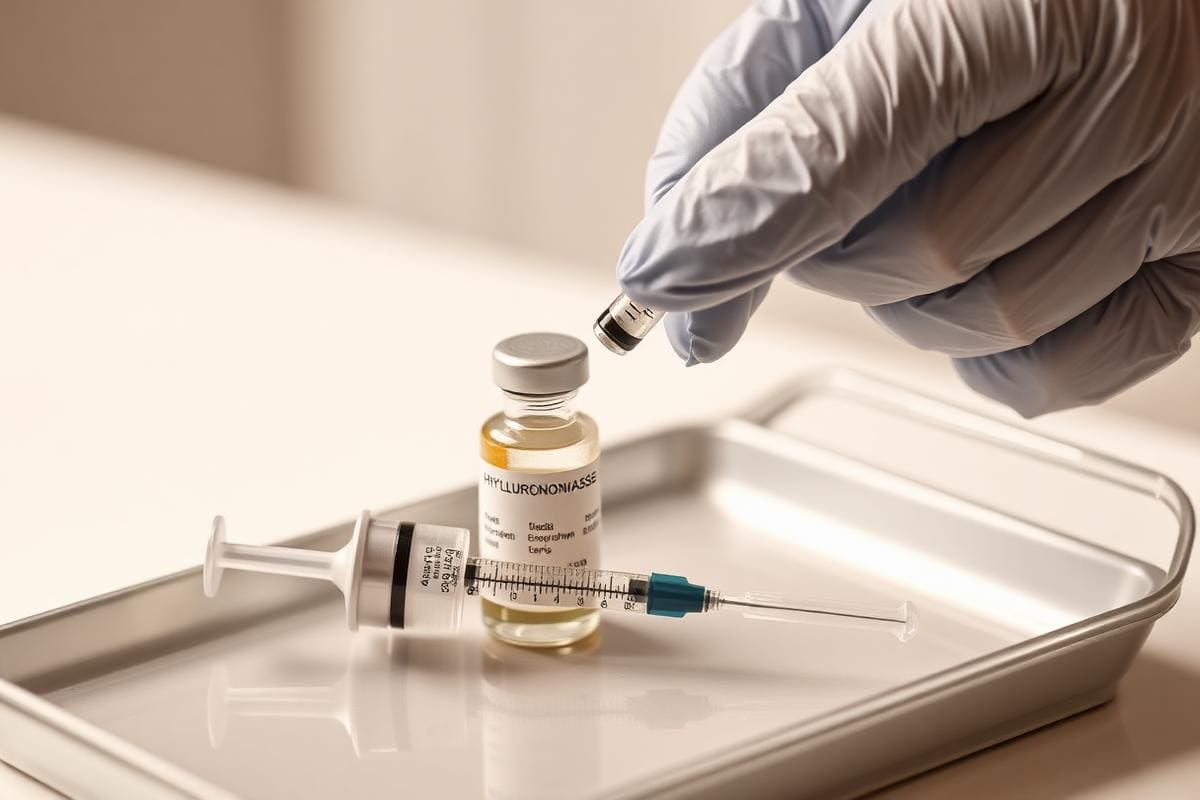
Managing Dermal Filler Complications: A Step-by-Step Protocol Handbook for Prevention, Recognition and Reversal
Dermal fillers are among the most frequently performed non-surgical procedures worldwide, and hyaluronic acid accounts for the majority of injectable soft-tissue augmentation. Most adverse events are mild and self-limiting, but vascular occlusion, tissue necrosis, visual loss and cerebrovascular injury can produce permanent morbidity. Published consensus guidance is now substantial, yet complications continue to be mismanaged at the level of sequence, threshold and technique rather than knowledge.
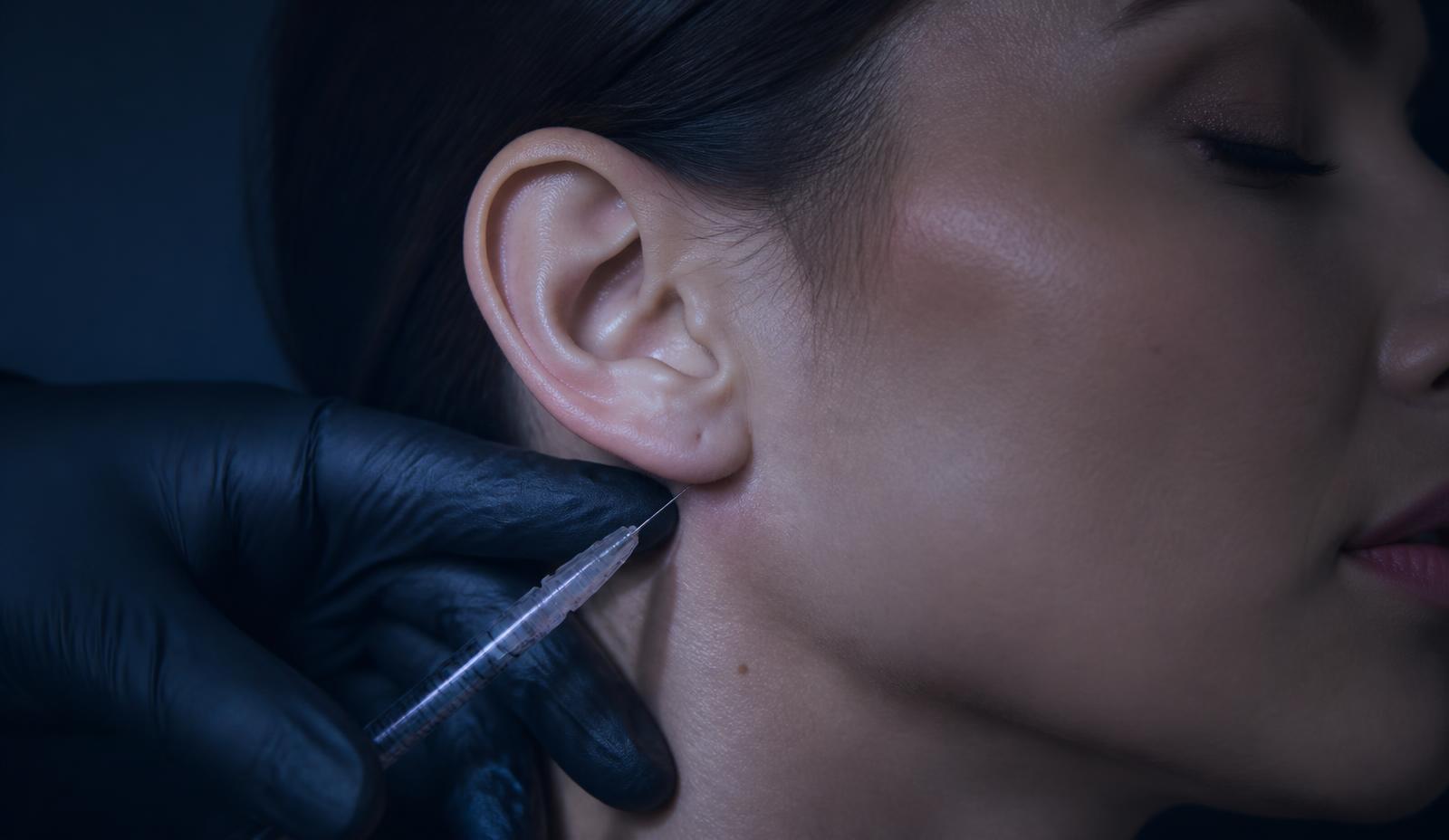
Dysphagia After Botox: What the MHRA Iatrogenic Botulism Warning Does Not Say About Dose, Depth and Training
On 15 July 2026 the Medicines and Healthcare products Regulatory Agency (MHRA) strengthened warnings across all botulinum toxin type A products following reports of rare iatrogenic botulism, in which toxin effect extends beyond the treated area. Distant spread has been reflected in product information since 2007, and swallowing difficulty is the symptom most often reported by cosmetic patients. The regulatory language describes what happens pharmacologically but says comparatively little about the injector-controlled variables that determine whether it happens at all.

The Three-Cell Model of Skin Rejuvenation: A Simplified Cellular Framework for Aesthetic Practice
Aesthetic skin practice is crowded with products, devices and protocols, yet the practitioner is rarely offered a simple organising principle that explains why any of them work. This review proposes a deliberately reductive teaching framework — the Three-Cell Model — which holds that almost every meaningful decision in non-surgical skin rejuvenation can be understood through the behaviour of just three resident cell populations: the fibroblast, the melanocyte and the keratinocyte.

AI-Assisted Medical Education: Implications for Postgraduate Aesthetic Training
Large language models and adaptive learning systems are rapidly reshaping postgraduate medical education, including in the subspecialty of aesthetic medicine, where procedural nuance, anatomical precision, and patient-centred communication converge in uniquely demanding ways.

The Dunning–Kruger Curve in Aesthetic Training: Why Injectors Are Disproportionately Blind to the Dip
The Dunning–Kruger effect describes a robust cognitive bias whereby individuals with limited competence in a domain systematically overestimate their ability, while genuine experts tend to underestimate theirs (Kruger & Dunning, 1999). In non-surgical aesthetic medicine — where short foundation courses are commercially abundant, regulation is fragmented, and the consequences of error include blindness and skin necrosis — this bias appears to operate with unusual force.
Other topics