
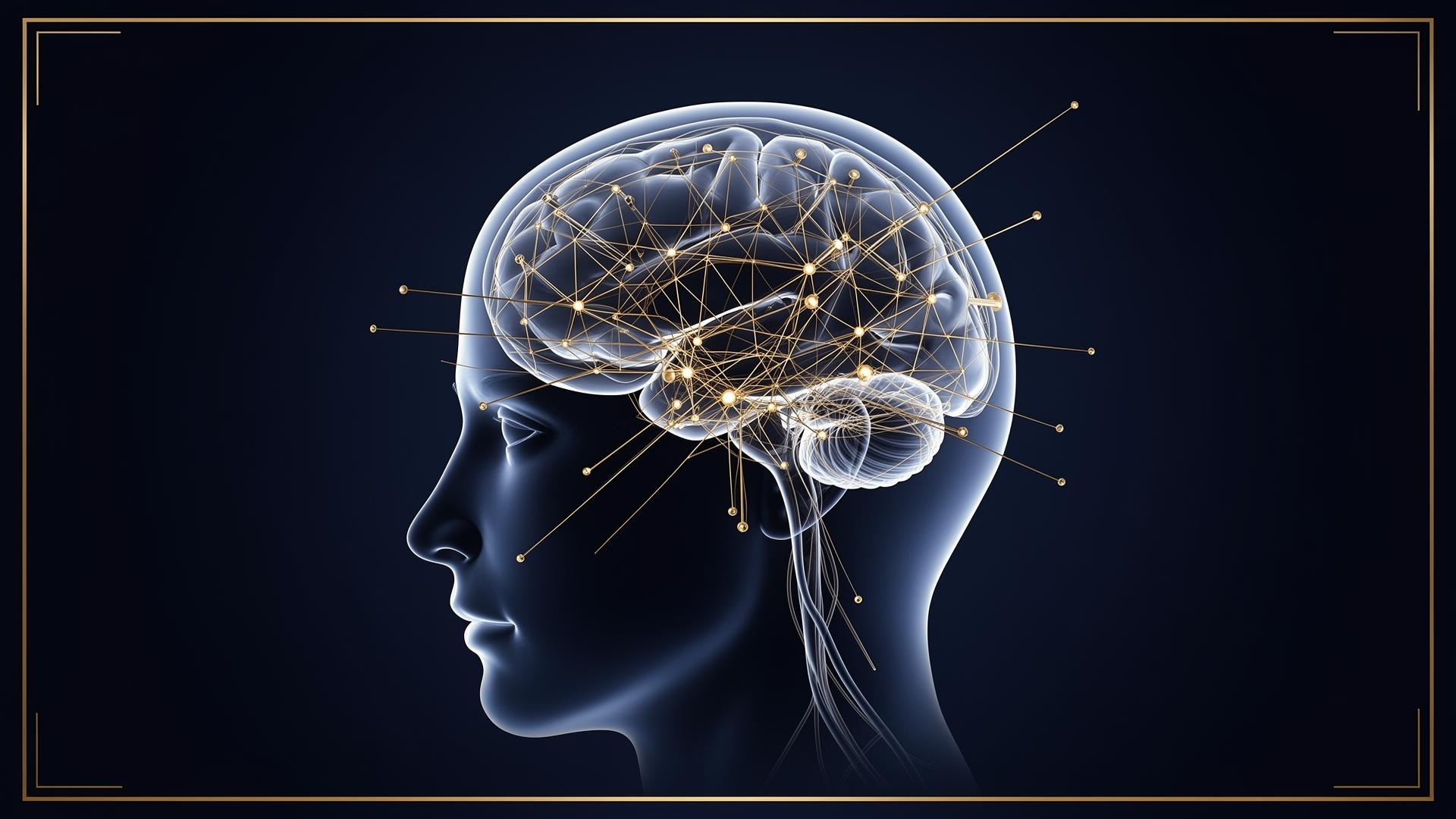
The Oro-Facial Pain Pathway
Five components, taken in order. Each builds directly on the one before it, and together they cover every injection target used in therapeutic oro-facial pain practice — masseter, temporalis, frontalis, corrugator, procerus, occipitalis, cervical paraspinals and trapezius.
- 1
Fundamentals of Botulinum Toxin
Step 1 · OnlinePharmacology, serotypes, mechanism of action, storage, contraindications, consent and complication management.
Open Foundation Botox course - 2
Dilution & Reconstitution
Step 2 · OnlineReconstitution volumes, unit conversion between products and dilution for diffusion control — critical when a single therapeutic session may involve 100–195 units across many sites.
Open Dilution & Reconstitution course - 3
Upper Face Botox — Frown & Forehead
Step 3 · OnlineCorrugator, procerus and frontalis. Required for oro-facial pain because the anterior PREEMPT sites are upper-face sites, and because tension-type headache frequently involves the glabellar complex.
Open Upper Face Botox course - 4
Masseter Botox — Bruxism, TMJ & Jaw Slimming
Step 4 · OnlineMasseter anatomy, the three-point technique, dosing for bruxism versus cosmetic slimming, avoiding paradoxical bulge and risorius diffusion. Includes foundation and dilution content, but not upper face — which is why Step 3 remains mandatory.
Open Masseter Botox course - 5
Botox for Headaches & Migraines — PREEMPT
Step 5 · 2 AiCE PointsICHD-3 diagnosis, patient selection, 31 fixed sites at 155 U, follow-the-pain add-on to 195 U, NICE TA260 and the PREEMPT versus PRECLUDE evidence base.
View the migraine pathway - 6
Supporting Reading
Journal · ISSN 2979-8116A critical review of the PREEMPT protocol and the evidence for botulinum toxin in migraine prevention, published in Aesthetic Intelligence.
Read the review
Oro-facial pain is where therapeutic botulinum toxin earns its place in medical and dental practice. Bruxism, temporomandibular dysfunction, masticatory myalgia and chronic migraine overlap constantly in the same patient population — and, conveniently, so do their injection targets.
A patient presenting with morning jaw ache, tooth wear, temporal headache and fifteen headache days a month is not four separate problems. They are one clinical picture, treatable through a coherent sequence of botulinum toxin protocols that share pharmacology, dilution logic and anatomy.
This pathway assembles the five components required to treat that picture competently: fundamentals of botulinum toxin, dilution and reconstitution, upper face injection, masseter injection, and the PREEMPT chronic migraine protocol. Each is delivered online and each carries AiCE Points on completion.
Dentists in particular see more bruxism, tooth surface loss and TMJ dysfunction than any other professional group. The pathway is deliberately structured so that a dentist with no aesthetic background can start at Step 1 and finish with a defensible therapeutic protocol.
| Learning factor | Foundation preparation | Specialist application |
|---|---|---|
| Focus | Core botulinum toxin principles | Oro-Facial Pain |
| Entry point | Foundation Botox Training | Clinicians meeting the stated course eligibility |
| Learning emphasis | Core assessment, anatomy and safety | Differentiate masticatory myalgia from intra-articular TMJ pathology before injecting; Screen for medication overuse headache before considering migraine protocols |
| Progression | Builds baseline competence | Develops indication-specific clinical judgement |
What Is Oro-Facial Pain Botox?
Botox for oro-facial pain is the therapeutic administration of botulinum toxin type A to reduce masticatory muscle hyperactivity, myofascial pain and trigeminal nociceptive input. It is distinct from aesthetic injection in intent, dosing and outcome measurement.
In masseter and temporalis treatment, the mechanism is largely neuromuscular — reduced parafunctional clenching force, reduced muscle bulk over successive cycles, and reduced myalgia. In chronic migraine, the mechanism is sensory: reduction in peripheral CGRP release and nociceptive afferent traffic at trigeminal and cervical terminals, not muscular relaxation.
Understanding that distinction is the single most important conceptual step in this pathway. It determines dose, depth, site selection and the outcome measures used to judge whether treatment has worked.
Key aspects of oro-facial pain treatment:
- Masseter and temporalis injection for bruxism, TMJ dysfunction and masticatory myalgia
- Upper face injection for tension-type headache and the anterior PREEMPT sites
- PREEMPT protocol where chronic migraine coexists with oro-facial pain
- Neuromuscular mechanism in masticatory muscle; sensory mechanism in migraine
- Outcomes measured by pain scores, headache diaries and functional improvement
Why does Oro-Facial Pain Botox require specialist training?
Oro-facial pain patients rarely arrive with a single tidy diagnosis. Specialist training builds the diagnostic sequence that determines which protocol applies, and in what order.
Masseter injection at the wrong depth produces paradoxical bulging or risorius diffusion and an asymmetric smile. Temporalis injection without regard for the superior temporal line produces disappointing results. Migraine injection outside the licensed indication produces no benefit and no funding.
None of these are difficult techniques. They are simply techniques with rules, and the rules are only learned deliberately.
Who can take this course?
This pathway is designed for doctors, dentists, nurse prescribers and pharmacist prescribers who wish to add therapeutic botulinum toxin to their practice.
Dentists are the natural constituency. Bruxism, tooth surface loss and TMJ dysfunction present in dental chairs every day, and the anatomy is already familiar. What is usually missing is the pharmacology, dilution discipline and injection protocol — precisely what this pathway supplies.
Suitable for:
- Dentists managing bruxism, tooth wear and TMJ dysfunction
- Doctors and nurse prescribers treating chronic headache
- Practitioners with existing aesthetic botox experience moving into therapeutics
- Clinicians building an orofacial pain service line
- Prescribers seeking structured, assessed CPD with AiCE Points
What are the clinical considerations in Oro-Facial Pain Botox?
Patient selection determines outcome more than technique. Masticatory myalgia responds well to masseter and temporalis injection; internal derangement of the temporomandibular joint does not, and requires referral.
Chronic migraine must be confirmed against ICHD-3 criteria — at least fifteen headache days per month, of which at least eight are migraine days, sustained over three months. Episodic migraine is a different condition, and the PRECLUDE trial was negative at both 155 and 195 units.
Where medication overuse headache is present, it must be addressed before botulinum toxin is appraised. Injecting into an unaddressed overuse picture produces an uninterpretable result.
Risk factors and clinical awareness:
- Paradoxical masseter bulging from superficial or misplaced injection
- Risorius diffusion causing asymmetric smile
- Neck weakness from over-deep cervical paraspinal injection
- Eyelid or brow ptosis from inaccurate upper-face placement
- Treating outside the licensed indication with no funding or evidence base
How does this relate to Botox masterclasses?
The oro-facial pain pathway is the therapeutic counterpart to the Harley Street Institute botox masterclass programme. Where the masterclasses develop aesthetic judgement, this pathway develops therapeutic reasoning.
Practitioners frequently complete both. The overlap in anatomy is substantial, and the combination supports a broader, more defensible scope of practice.
How is this course delivered?
Every component is delivered online and self-paced, with video demonstration, anatomical reference and gated assessment. AiCE Points are awarded on successful completion.
Practitioners who wish to add supervised hands-on experience can combine the pathway with a practical masterclass day in London or Manchester.
Opens in new window - External learning platform
What are your professional responsibilities and scope of practice?
Therapeutic botulinum toxin must be delivered within scope of practice, with indemnity that explicitly covers therapeutic indications. Aesthetic-only indemnity is not sufficient.
Documentation should record the diagnostic basis for treatment, baseline and follow-up outcome measures, and the consent discussion covering off-label use where applicable.
Completed in sequence, this pathway takes a practitioner from first principles of botulinum toxin through to defensible therapeutic treatment of bruxism, TMJ dysfunction, masticatory myalgia and chronic migraine.
Start at Step 1 if you are new to botulinum toxin. If you already hold foundation training, begin at Step 3 and work forward.
Continue your training
Continue your Oro-Facial Pain Botox training
Complementary courses from the Harley Street Institute clinical faculty.
All Botox masterclasses
Explore the full HSI advanced Botox curriculum for medical professionals.
Botox course directory
Foundation to fellowship-level Botox training pathways.
Foundation Botox & Dermal Fillers
The essential clinical grounding before specialist masterclasses.
From the journal
Further reading
UK Regulatory & Professional Bodies
Harley Street Institute training aligns with the standards set by the UK regulators and professional associations below.
- NICE — Cosmetic procedures: guidance & standardsNational Institute for Health and Care Excellence — UK clinical standards.
- JCCP — Joint Council for Cosmetic PractitionersGovernment-recognised practitioner & education register for non-surgical cosmetic interventions.
- BAMAN — British Association of Medical Aesthetic NursesProfessional body representing medically qualified aesthetic nurses across the UK.
- BCAM — British College of Aesthetic MedicineUK doctor-led professional association for aesthetic medicine standards & training.
- The CPD Certification ServiceIndependent CPD accreditation body — used to verify HSI training hours for revalidation.
External links open in a new tab. Outbound references are provided for verification only and do not imply endorsement of HSI by the linked organisation.
Flexible payment options
We've made it easy to pay your way.
Choose from trusted providers at checkout. Whether you prefer to pay in full, split across instalments, or pay later, the option is yours — secured by industry-standard providers.
Klarna availability subject to eligibility checks at checkout. Stripe and PayPal available for all major cards. Course fees may be split into instalments where supported.
Flexible payment options
We've made it easy to pay your way.
Choose from trusted providers at checkout. Whether you prefer to pay in full, split across instalments, or pay later, the option is yours — secured by industry-standard providers.
Klarna availability subject to eligibility checks at checkout. Stripe and PayPal available for all major cards. Course fees may be split into instalments where supported.
From Aesthetic Intelligence
Further reading
Continue with relevant clinical analysis and evidence reviews from the HSI journal.
Why Masseter Botox Is Trending
Masseter Botox draws 18,100 UK searches a month. Six converging drivers — the FDA filing, bruxism demand, the TikTok backlash loop, GLP-1 facial change, facial balancing and the clinic content flywheel — and what each means in practice.
View pageBoNT-A Orofacial, Head & Neck Pain
Evidence-led review of botulinum toxin type A for muscle-dominant TMD, bruxism, masseter and temporalis pain, headache overlap, and cervical or trapezius myofascial pain.
View pageThe Screen–Stress–Jaw–Neck Axis
A narrative evidence review and hypothesis on screen exposure, awake bruxism, psychological load, neck pain, TMD and non-migraine headache; clinical observations are author-reported, not independently verified.
View page