
When You Can Treat
Criteria for safe treatment decisions
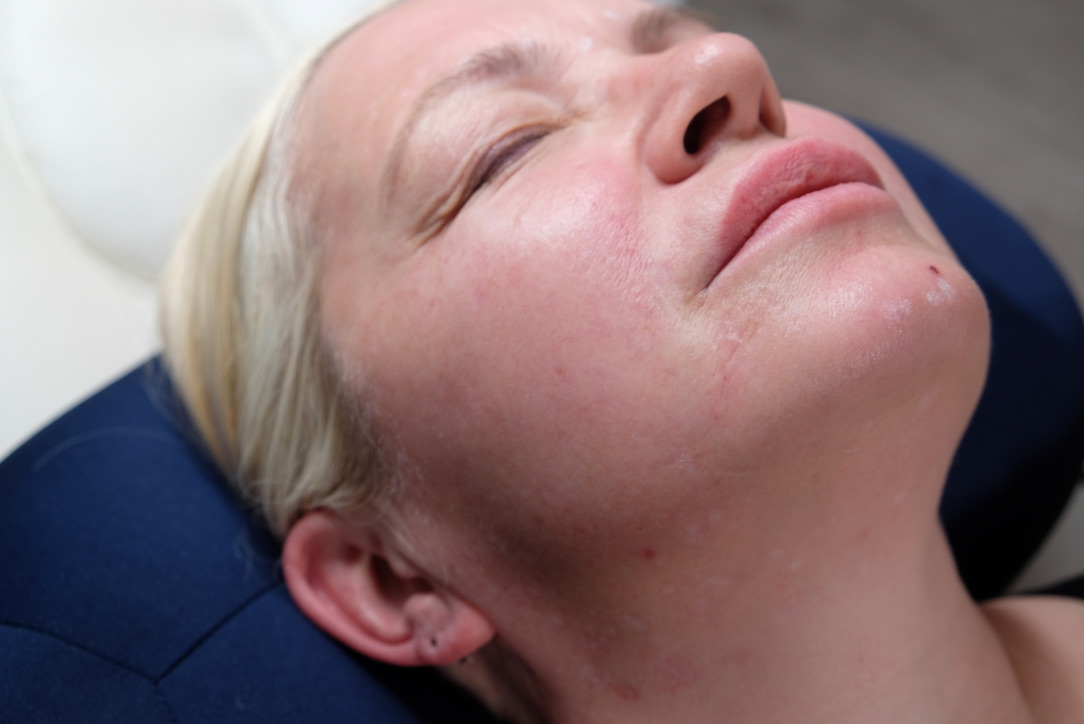
Proceeding with treatment requires clarity and confidence in your assessment. You can safely treat when the condition is well understood, the diagnosis is consistent with common benign presentations, and the skin shows no signs of active inflammation or instability.
The patient should also be appropriate for the treatment in terms of their skin type, history, and risk profile. For example, a patient with stable, mild acne or superficial pigmentation may be suitable for treatment if all other factors are favourable.
Importantly, treatment decisions should not be rushed. Taking time to assess the skin properly, ask relevant questions, and evaluate risk ensures better outcomes.
Safe treatment is not just about the procedure itself—it is about choosing the right patient, at the right time, under the right conditions.
Clinical Takeaway
Safe treatment is not just about the procedure—it is about choosing the right patient, at the right time, under the right conditions.
Key Points
- Clear diagnosis with benign presentation
- Stable skin with no active inflammation
- Right patient, right time, right conditions
Continue Your Clinical Dermatology Training
This page is part of the CAD – Certificate in Aesthetic Dermatology by Harley Street Institute. Unlock the full structured programme to build clinical confidence in dermatological assessment.