
Inflammation & the Barrier
The double-edged sword of inflammatory response
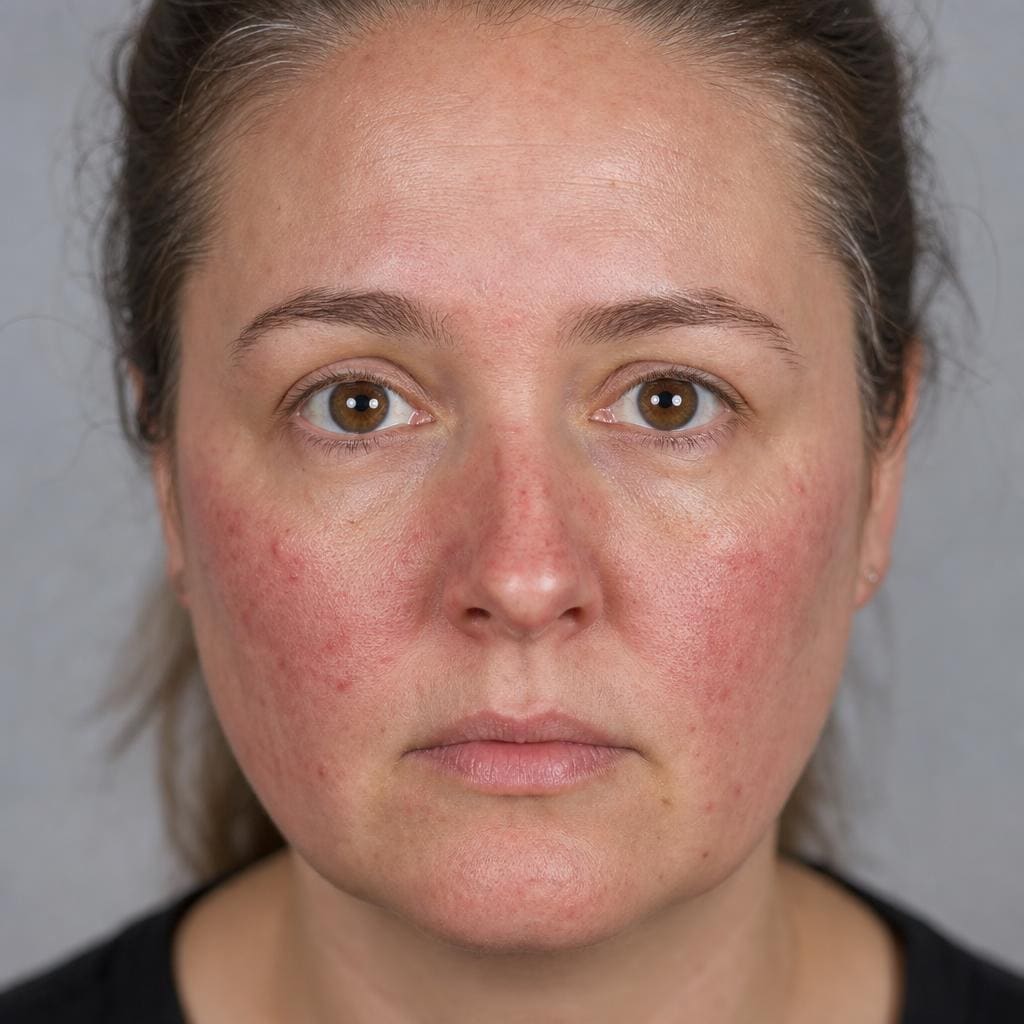
Inflammation plays a key role in both skin repair and skin damage. While a controlled inflammatory response is necessary for healing, excessive inflammation can disrupt the barrier and lead to complications.
Inflamed skin is more permeable, more reactive, and more prone to pigmentation changes. Treating inflamed skin with additional procedures often worsens the condition.
This is particularly relevant in patients with conditions such as acne, rosacea, or dermatitis. In these cases, the priority should be to reduce inflammation and restore stability before considering aesthetic treatments.
Understanding the relationship between inflammation and barrier function is essential for safe clinical decision-making.
Clinical Takeaway
Understanding the relationship between inflammation and barrier function is essential for safe clinical decision-making.
Frequently Asked Questions
Should you treat inflamed skin with aesthetic procedures?
No — treating inflamed skin with additional procedures typically worsens the condition. The priority should be to reduce inflammation and restore barrier stability first.
Why does inflamed skin get more pigmentation?
Inflamed skin is more permeable and reactive. This increased reactivity makes it more prone to post-inflammatory pigmentation changes, especially in darker skin types.
Key Points
- Controlled inflammation aids healing — excessive inflammation causes damage
- Inflamed skin is more permeable and prone to pigmentation
- Patients with acne, rosacea, or dermatitis need stabilisation first
Continue Your Clinical Dermatology Training
This page is part of the CAD – Certificate in Aesthetic Dermatology by Harley Street Institute. Unlock the full structured programme to build clinical confidence in dermatological assessment.