
Barrier Damage in Aesthetic Practice
The most common consequence of over-treatment
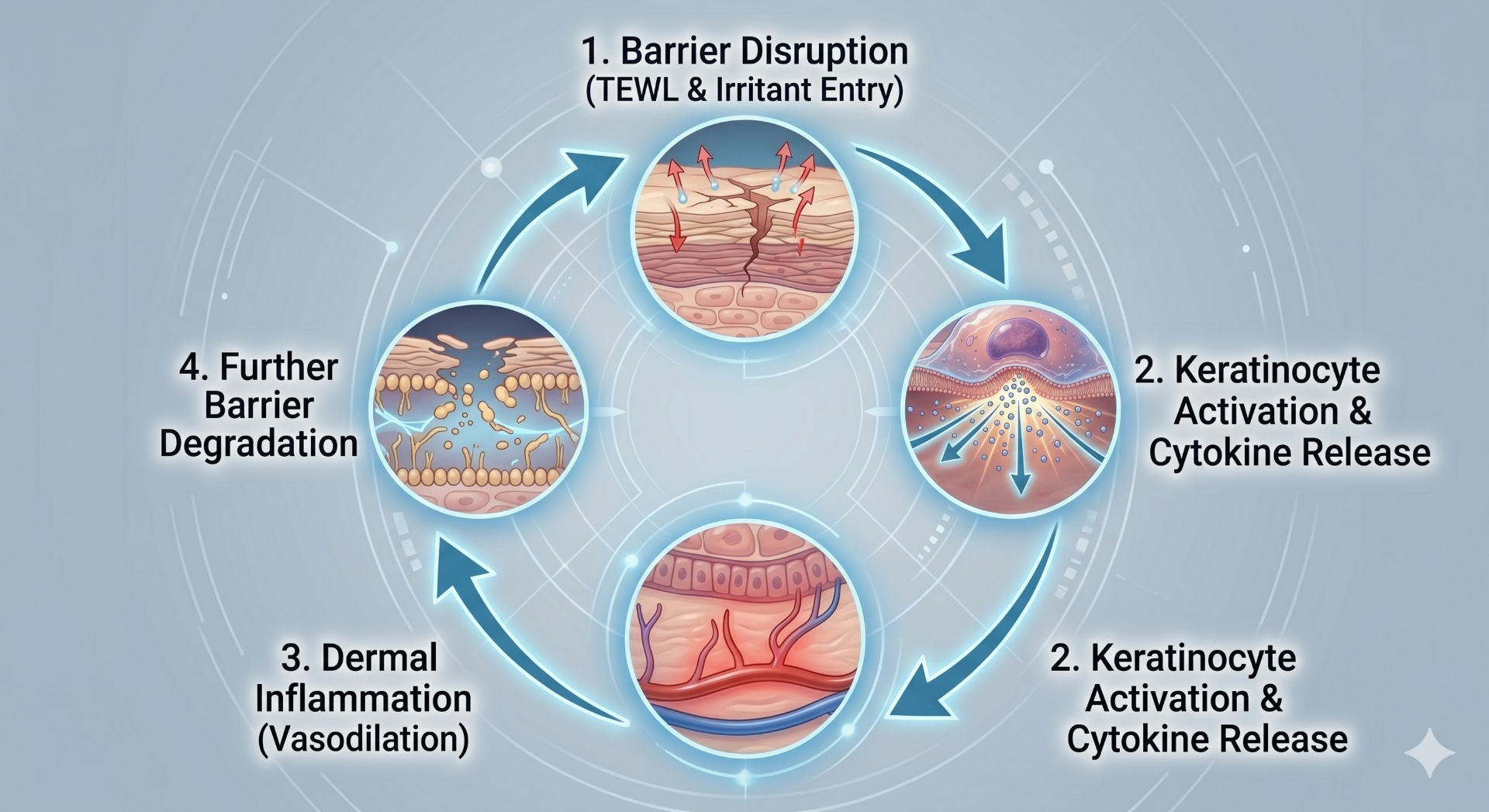
Barrier damage is one of the most common consequences of aesthetic over-treatment. Frequent peels, excessive use of active ingredients, and aggressive procedures can all disrupt the skin's protective function.
When the barrier is compromised, the skin becomes more vulnerable to irritation, inflammation, and pigmentation changes. Patients may experience persistent redness, dryness, and discomfort.
Continuing treatment in this state often worsens the condition. Instead, the focus should be on restoring barrier integrity before proceeding.
Recognising barrier damage early allows you to prevent long-term complications and maintain healthier skin outcomes.
Clinical Takeaway
Recognising barrier damage early allows you to prevent long-term complications and maintain healthier skin outcomes.
Frequently Asked Questions
What causes barrier damage in aesthetic practice?
Common causes include frequent chemical peels, excessive use of active skincare ingredients (retinoids, AHAs), and aggressive procedures performed too close together without adequate recovery time.
How do you repair a damaged skin barrier?
Focus on gentle cleansing, barrier-repair moisturisers containing ceramides and lipids, sun protection, and avoiding all active treatments until the barrier has recovered — typically 4-8 weeks.
Key Points
- Frequent peels and aggressive procedures are common causes
- Compromised barrier leads to irritation, inflammation, and pigmentation
- Stop active treatments and restore barrier before proceeding
Clinical Tip
When in doubt, treat the barrier first. It is always safer to pause than to proceed on compromised skin.
Continue Your Clinical Dermatology Training
This page is part of the CAD – Certificate in Aesthetic Dermatology by Harley Street Institute. Unlock the full structured programme to build clinical confidence in dermatological assessment.