
Assessing a Lesion
Systematic examination approach
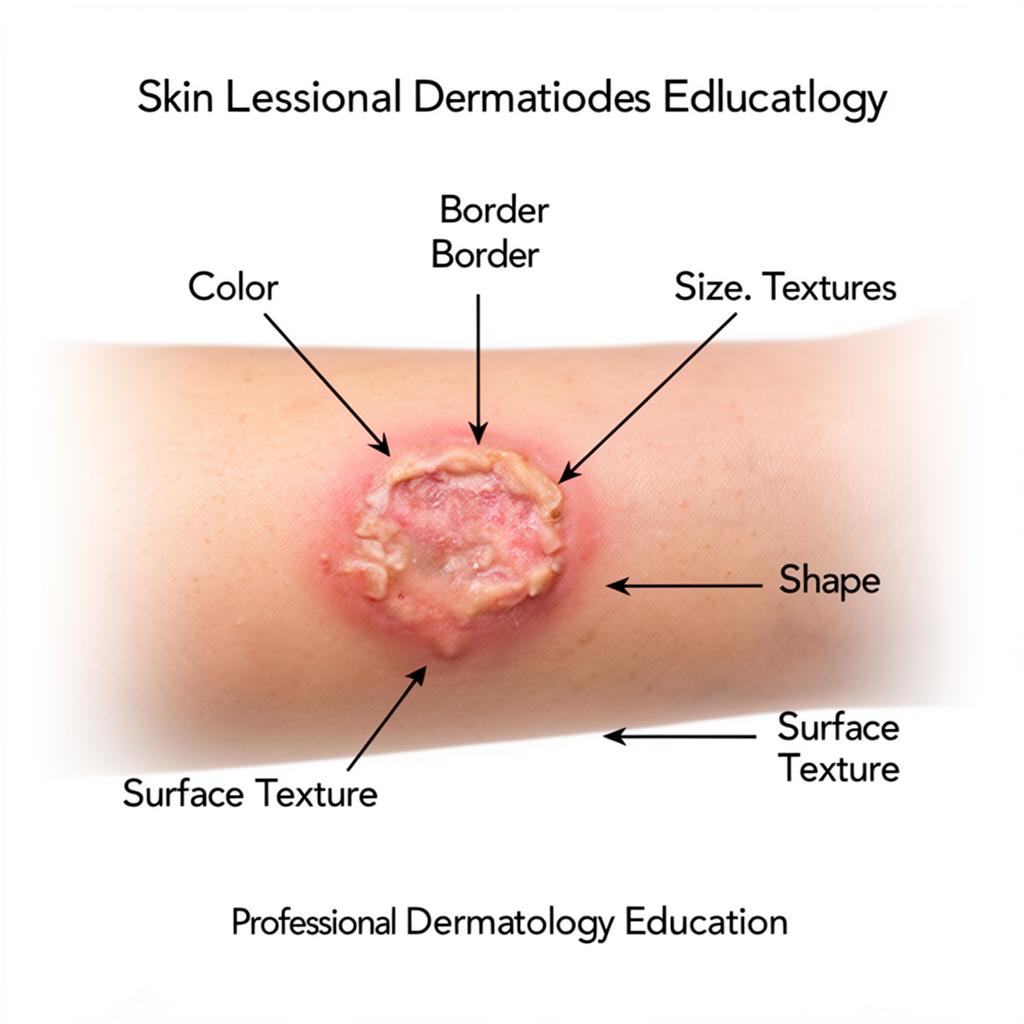
When examining a lesion, several key features should be assessed. These include colour, size, shape, border definition, and surface texture.
Colour may indicate pigmentation, inflammation, or vascular changes. Borders can be regular or irregular, which may help differentiate benign from suspicious lesions. Surface features such as scaling, crusting, or ulceration provide additional clues.
Assessing these characteristics systematically ensures that no important detail is overlooked. It also improves your ability to recognise patterns and identify when something is outside normal presentation.
This structured approach supports safer decision-making and better clinical outcomes.
Clinical Takeaway
Assess every lesion systematically: Colour, Size, Shape, Border, Surface. Missing one feature could miss the diagnosis.
Key Points
- Assess: Colour, Size, Shape, Border, Surface
- Irregular borders may indicate suspicious lesions
- Systematic assessment prevents missed details
Continue Your Clinical Dermatology Training
This page is part of the CAD – Certificate in Aesthetic Dermatology by Harley Street Institute. Unlock the full structured programme to build clinical confidence in dermatological assessment.