
Module Summary
Skin Foundations & Barrier Science
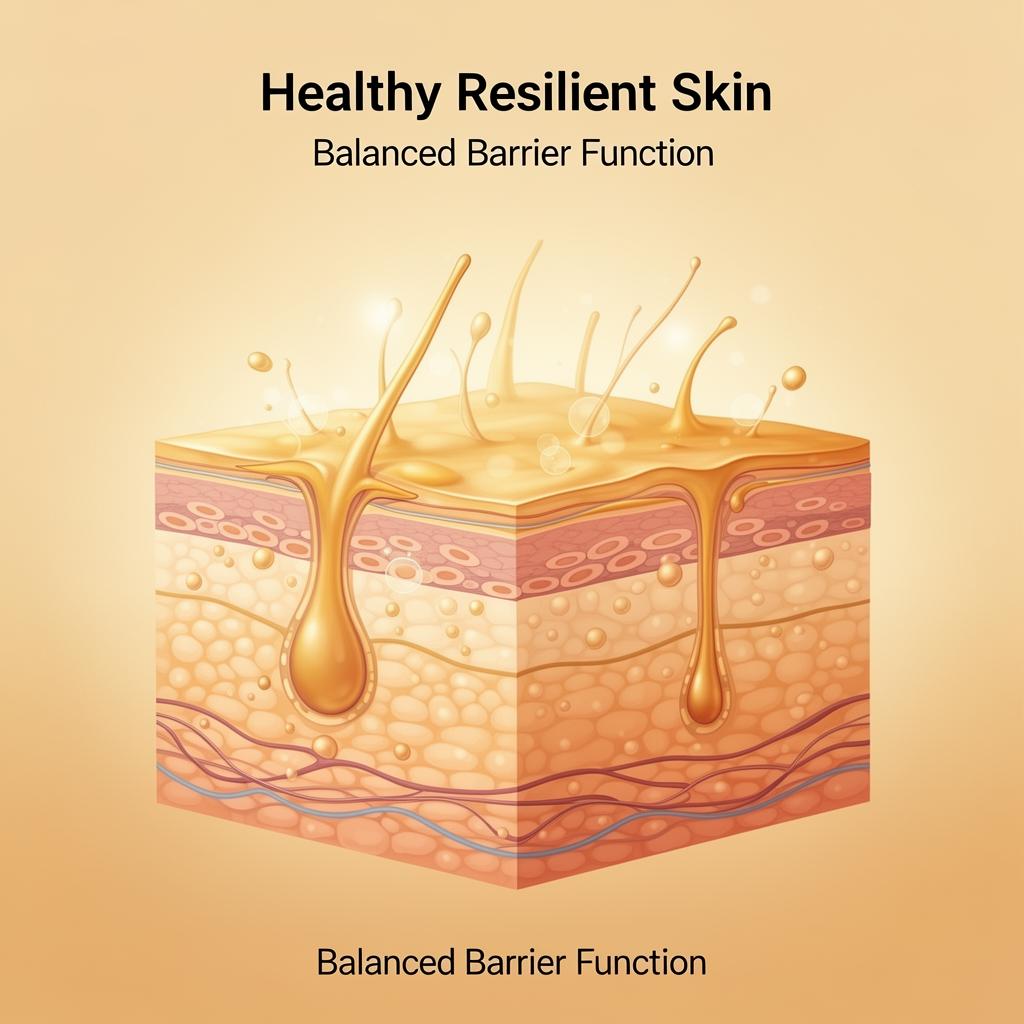
This module has introduced the fundamental structure and function of the skin, with a focus on the epidermis, dermis, and the critical role of the skin barrier.
You have learned how the skin responds to treatment, how repair mechanisms work, and why excessive intervention can lead to complications. You have also explored the difference between sensitive and sensitized skin, and how these conditions influence treatment decisions.
These principles form the biological foundation for all aesthetic procedures. Understanding them allows you to practise more safely, avoid over-treatment, and achieve better long-term outcomes for your patients.
Healthy skin is not created through aggressive treatment, but through balance and control.
Clinical Takeaway
Healthy skin is not created through aggressive treatment, but through balance and control.
Frequently Asked Questions
What are the key takeaways from skin foundations?
The skin barrier is the foundation of safe aesthetic practice. Understanding epidermis vs dermis, recognising barrier dysfunction, distinguishing sensitive from sensitized skin, and assessing skin state before treatment are all essential skills.
Why is barrier science important for aesthetic practitioners?
Barrier dysfunction is the most common cause of aesthetic complications. Understanding how the barrier works allows you to prevent over-treatment, manage complications, and achieve better long-term outcomes.
Key Points
- The epidermis provides barrier protection; the dermis provides structural support
- Barrier dysfunction is the most common cause of aesthetic complications
- Sensitive skin is baseline; sensitized skin is acquired and reversible
- Always assess skin state before choosing a treatment approach
Continue Your Clinical Dermatology Training
This page is part of the CAD – Certificate in Aesthetic Dermatology by Harley Street Institute. Unlock the full structured programme to build clinical confidence in dermatological assessment.