Clinical Dermatology Essentials for Aesthetic Practice
A core certification course forming the foundation of the CAD programme · 15 AiCE Points · 9 Modules
Course information
Course
- Title:
- CAD – Certificate in Aesthetic Dermatology
- Provider:
- Harley Street Institute
- Format:
- Online, self-paced · 9 modules with end-of-module assessments
- Learning time:
- 15 AiCE Points (1 point = 1 CPD hour)
Who it is for
- Doctors, dentists, nurses, pharmacists and other healthcare professionals working in aesthetics
- Aesthetic practitioners who want safer skin assessment before treatment
- Open to all learners online; practical treatment remains restricted to registered healthcare professionals
Aim
To develop safe, confident, risk-aware aesthetic practitioners who can assess skin, recognise common conditions and red flags, and decide when to treat, delay or refer.
Objectives
- Describe the structure and function of healthy skin and its barrier
- Recognise inflammatory, pigmentary, infective and lesion-based conditions
- Identify red flags and contraindications to aesthetic treatment
- Apply a treat, delay or refer framework to clinical cases
- Plan safe peels, procedures and barrier repair, and prevent complications
Learning outcomes and professional frameworks
By the end of the course you will be able to:
| Outcome | GMC Good Medical Practice | GDC Enhanced CPD | NMC / GPhC |
|---|---|---|---|
| Assess skin systematically and record findings | Knowledge, skills and development | C – Maintenance and development of knowledge and skills | Practise effectively |
| Recognise conditions and red flags that need referral | Patients, partnership and communication; safety and quality | A – Effective communication; C | Preserve safety |
| Decide when to treat, delay or refer | Safety and quality | C | Preserve safety; Practise effectively |
| Explain risks and obtain informed consent | Communication, partnership and teamwork | A – Effective communication | Prioritise people |
| Practise within scope and prevent complications | Trust and professionalism | D – Maintaining professional standards | Promote professionalism and trust |
Mapping shows how the outcomes support your own revalidation and CPD record. It does not mean the course is approved by the GMC, GDC, NMC or GPhC.
Certificates are for enrolled students
Each module page is a public landing page you can preview. To track progress, take the end-of-module knowledge check, leave feedback and receive your per-module certificate (and the full CAD certificate on completion), you must sign in and enrol in the course (£350 inc. VAT).
Module 1: Clinical Mindset & Skin Assessment Framework
- Treat vs Refer framework
- Risk-based thinking in aesthetics
- Dermatological history-taking
- Basic lesion description & documentation
Module 2: Skin Foundations & Barrier Science
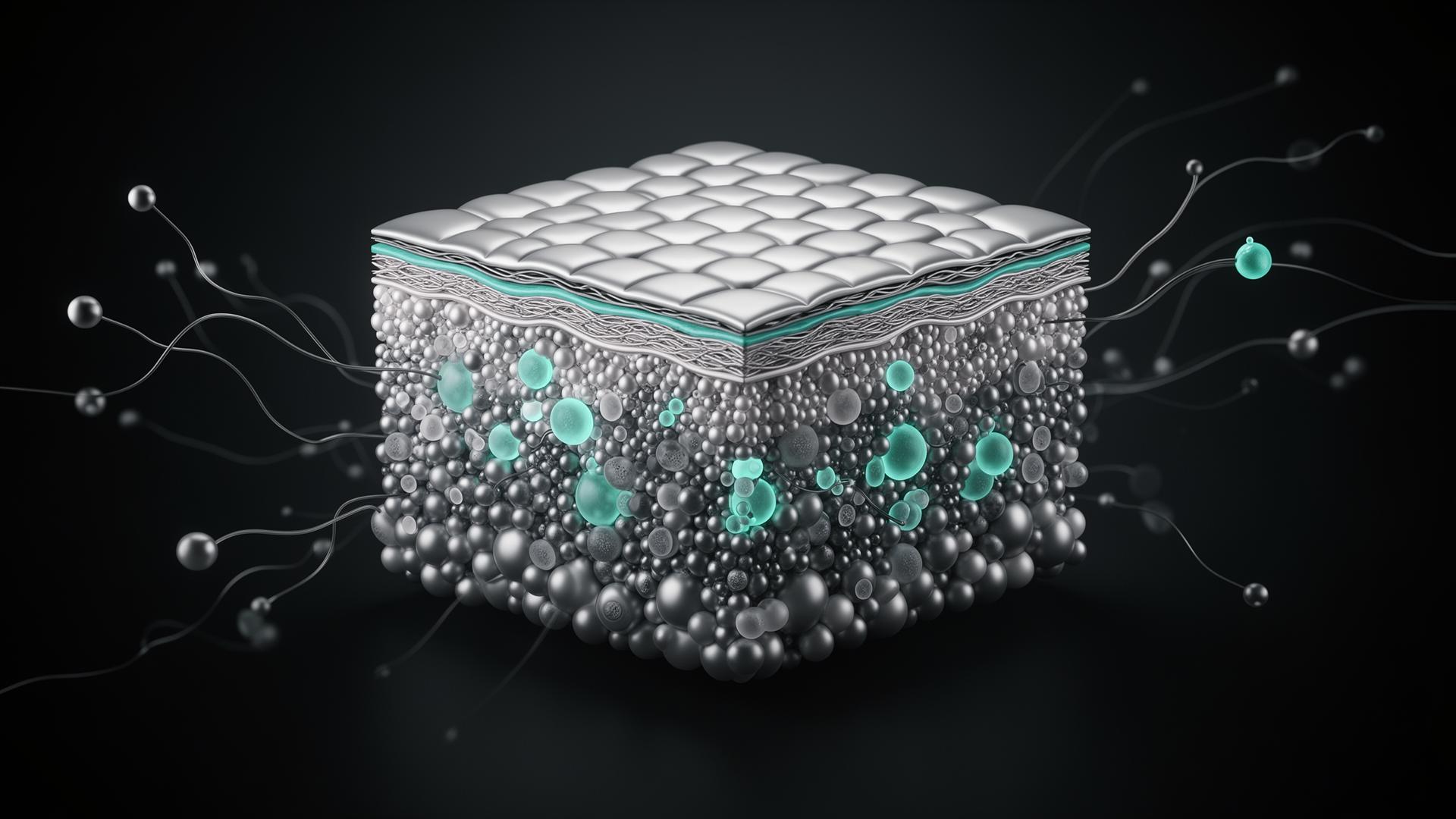
- Skin structure (epidermis & dermis)
- Cutaneous barrier function
- Skin repair mechanisms
- Sensitive vs sensitized skin
Module 3: Inflammation, Reactivity & Rashes
- Acute vs chronic inflammation
- Eczema, dermatitis, rosacea
- Acne vs inflammatory dermatoses
- When NOT to treat inflamed skin
Module 4: Melanocytes & Pigmentation
- Melanocyte biology
- Melasma (core focus)
- Post-inflammatory hyperpigmentation (PIH)
- Pigmentation risk in aesthetic treatments
Module 5: Lesions, Lumps & Diagnostic Safety
- Benign lesions (skin tags, SKs, milia, cysts)
- Red flag features
- ABCDE melanoma awareness
- When to refer
Module 6: Periocular Dermatology
- Syringomas
- Milia
- Xanthelasma
- Safe management in high-risk zones
Module 7: Infective & Reactive Dermatoses
- Bacterial, viral, fungal infections
- HSV reactivation risk
- Procedure-related complications
Module 8: Peels, Procedures & Complication Prevention
- Safe indications for treatment
- Contraindications
- PIH risk and prevention
- Periocular caution
Module 9: Treating Chronic Inflammation & Barrier Repair
- Acute vs chronic inflammation in aesthetic skin
- Breaking the chronic inflammation cycle
- Sebum control: AHA vs BHA washes for oily and combination skin
- Antioxidants to reduce free-radical load (vitamin C protocols)
- Retinoids (retinol, retinal, retinoic acid) for exfoliation and repair
- Lazy skin syndrome: when moisturisers harm recovery
- Cosmeceuticals vs cosmetics — building a clinical skin reset
Search every module — overview, curriculum, outcomes & reading
Find any topic, page or reading reference across the 9 CAD modules.
Programme Progression
This 5-hour course forms the core certification component of the CAD programme. Advanced and integrative modules are available for extended learning and clinical mastery.
Awards
Certificate of Completion
Awarded upon successful completion of the 5-hour CAD course.
Full Programme Completion · 15 AiCE Points
CAD – Certificate in Aesthetic Dermatology by Harley Street Institute. Awarded once all 9 module assessments are passed at ≥70%.
Sign in to track progress and claim certificates →