
Introduction to the Periocular Area
Why the eye area demands a different clinical mindset
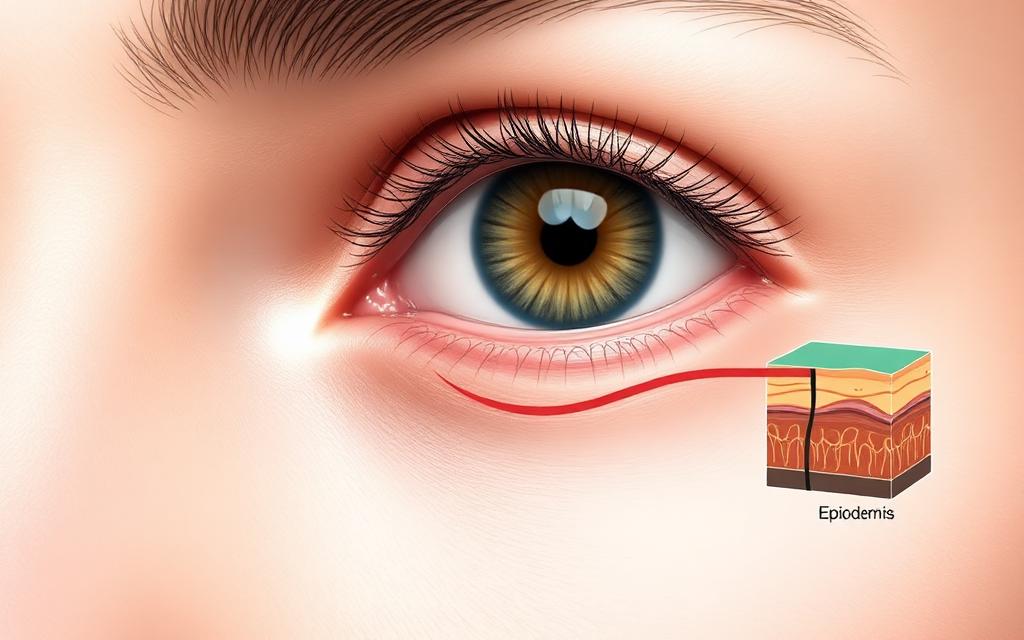
The periocular region is one of the most delicate and high-risk areas in aesthetic practice. The skin around the eyes is significantly thinner than elsewhere on the face — often less than 0.5mm in thickness compared to 1.5–2mm on the cheeks. This reduced thickness means a weaker barrier function, increased transepidermal water loss, and heightened sensitivity to both topical agents and procedural interventions.
The vascularity of this region is also remarkably dense. The superficial vascular plexus sits closer to the surface, which explains why bruising, swelling, and erythema occur more readily here than in other facial zones. The lymphatic drainage is less efficient, contributing to prolonged oedema following even minor trauma.
In addition, the proximity to the eye introduces anatomical and safety considerations that simply do not apply to other areas. The orbicularis oculi muscle, the tarsal plates, and the conjunctival mucosa are all within millimetres of the treatment surface. Even minor procedures, if performed incorrectly, can lead to complications such as prolonged erythema, textural scarring, or in rare cases, ocular injury.
Patients frequently present with small lesions in this area and request removal for cosmetic reasons. While many of these lesions are benign, the risk profile of the area means that treatment decisions must be made with far greater caution than elsewhere on the face. A lesion that would be straightforward to treat on the forehead or jawline may carry significant risk when located periocularly.
Understanding the unique anatomy of this region is the foundation of safe practice. In the periocular region, conservative decision-making is not weakness — it is essential.
Clinical Takeaway
The periocular region requires a fundamentally different approach to clinical decision-making. Thin skin, dense vascularity, and orbital proximity mean that even routine procedures carry elevated risk.
Frequently Asked Questions
Why is the skin around the eyes so delicate?
The periocular epidermis is less than 0.5mm thick with minimal subcutaneous fat, reduced sebaceous gland density, and a weaker barrier function compared to other facial zones.
Can routine aesthetic treatments be performed around the eyes?
Many treatments that are safe elsewhere on the face carry elevated risk periocularly. Each case must be assessed individually with conservative thresholds for intervention.
Key Points
- Periocular skin is <0.5mm thick vs 1.5–2mm on cheeks
- Dense vascularity increases bruising and swelling risk
- Proximity to orbital structures demands extreme caution
- Conservative decision-making is essential, not optional
- Treatments routine elsewhere may be high-risk around the eyes
Clinical Tip
Before treating any periocular lesion, ask yourself: "Would I be comfortable explaining this decision to a dermatologist?" If the answer is no, do not proceed.
Continue Your Clinical Dermatology Training
This page is part of the CAD – Certificate in Aesthetic Dermatology by Harley Street Institute. Unlock the full structured programme to build clinical confidence in dermatological assessment.