
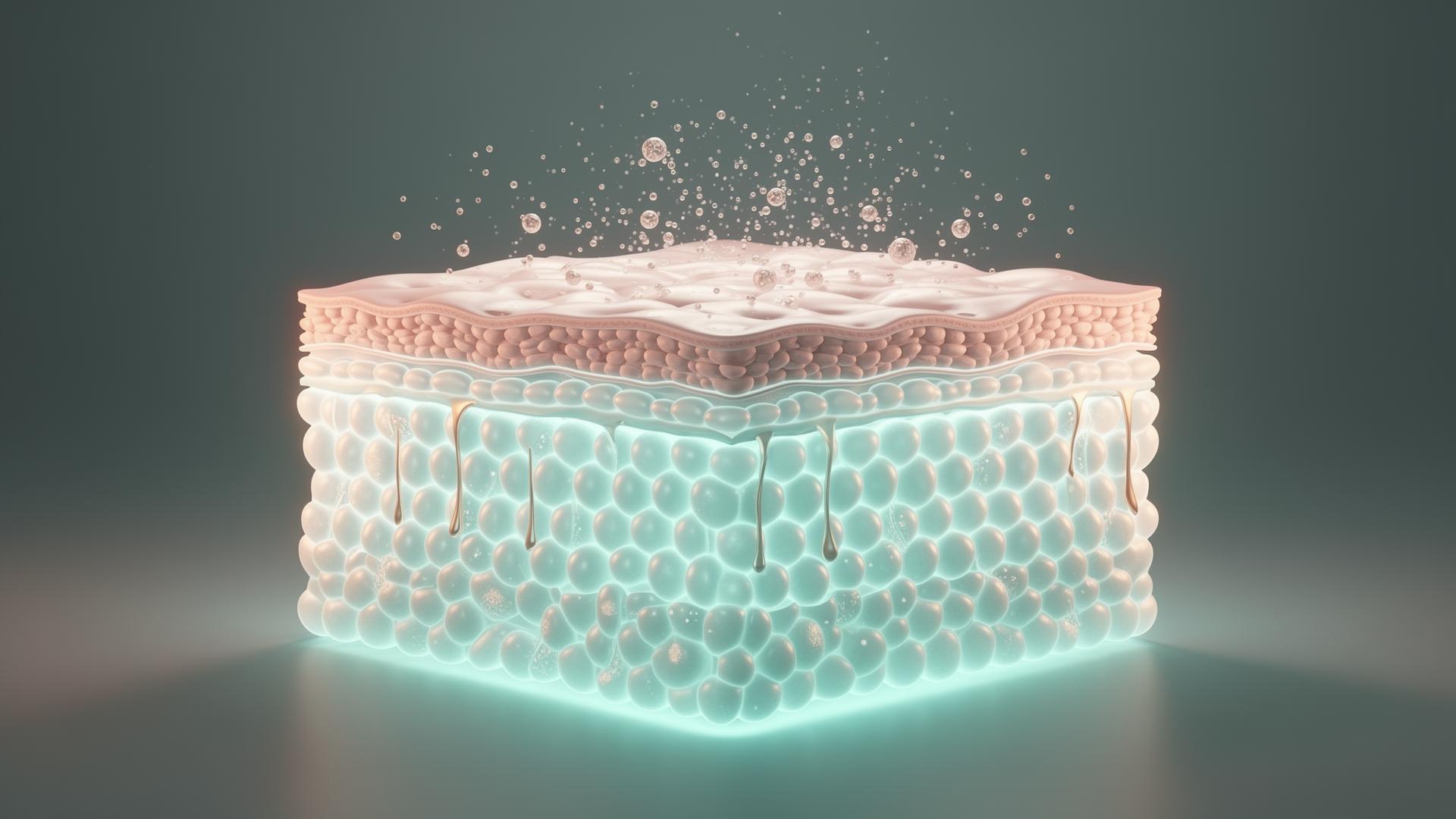
Editorial cross-section of a luminous epidermis representing skin health restoration
    Online Skin Rejuvenation Course

    Principles of Skin Health Restoration

    A clinical, evidence-based online course on the ageing epidermis — how the skin barrier breaks down, why it changes with age, and the rational sequence of interventions that restore healthy function before any cosmetic procedure.

    Duration4–6 hours
    AiCE Points5
    CPD5 hours
    ForHCPs & Skin Pros

    Why every aesthetic plan should start with the epidermis

    Most aesthetic complications begin long before the needle touches the skin. They begin in the consultation room, when a clinician decides to treat skin that is not yet ready to receive treatment. The Principles of Skin Health Restoration course exists to fix that single decision. It teaches the science of the ageing epidermis in language that translates directly to clinical choices, and it gives you a defensible framework that explains what you are doing — and why — to patients, peers and regulators.

    The course is built around a clinical truth that becomes more important every year: the epidermis is not just a covering. It is an immunological organ, a chemical barrier, a microbial habitat and an optical surface. When any one of those four functions falters, the cosmetic result of a peel, a laser, a microneedling pass or a filler injection will fall short of the patient’s expectation. Restoring those four functions before introducing any procedure is the single highest-yield intervention in aesthetic medicine.

    The faculty have distilled twenty years of clinical observation into a structured pathway. You will learn how to read the skin in ten seconds at the door, how to confirm what you suspect with a focused two-minute examination, and how to choose between barrier-first repair, controlled inflammation, or referral. The course is academic in tone, but every section finishes with a clinical translation slide so the science never floats away from the patient sitting in front of you.

    Learning Outcomes

    What you will be able to do after this course

    Describe the structure and function of the epidermis and its age-related changes.
    Identify barrier dysfunction at consultation using simple clinical signs.
    Apply the HSI three risk layers framework to every patient.
    Sequence skin restoration before procedural interventions.
    Build a defensible 6–12 week pre-treatment skin protocol.
    Counsel patients on why restoration improves outcomes and reduces complications.
    Curriculum

    Module-by-module breakdown

    1

    The architecture of healthy skin

    Stratum corneum, viable epidermis, dermo-epidermal junction, papillary and reticular dermis — what each layer contributes to function and appearance.

    2

    The ageing epidermis

    Slowed turnover, corneocyte cohesion, reduced filaggrin, lipid lamellae loss and what these mean clinically.

    3

    The acid mantle and barrier integrity

    pH 4.5–5.5, microbiome stability, transepidermal water loss and the markers that predict treatment tolerance.

    4

    Three risk layers framework

    Skin risk, pigmentation risk and diagnostic risk — the assessment lens used across HSI’s clinical pathways.

    5

    Inflammation: the master driver

    How chronic low-grade inflammation accelerates collagen loss, dyspigmentation and barrier dysfunction.

    6

    Repair before rejuvenation

    Why barrier restoration must precede peels, microneedling, lasers and injectables — and how to sequence it.

    7

    Cosmeceutical actives that earn a place

    Niacinamide, ceramides, panthenol, retinaldehyde, vitamin C and tyrosinase modulators — graded by evidence, not marketing.

    8

    Designing a 6–12 week restoration plan

    Realistic milestones, photographic review and how to measure objective improvement before adding procedures.

    How the ageing epidermis fails — and what changes the trajectory

    The epidermis ages on three timelines simultaneously: chronological (the calendar), photobiological (UV and visible light exposure) and inflammatory (oxidative load from pollution, diet, sleep and stress). The course unpacks each timeline because the dominant driver dictates the intervention. A 52-year-old with high inflammatory load and a moderate UV history needs a very different protocol from a 52-year-old with high cumulative UV and a quiet inflammatory profile.

    You will work through the cell biology — keratinocyte differentiation, melanocyte signalling, Langerhans cell density, dermo-epidermal junction flattening — and then immediately convert it into clinical reasoning. For every mechanism we ask the same question: what does this look like at the chair, and what can a patient afford to do about it in twelve weeks? That is where most online courses stop being useful. This one keeps going.

    A key chapter is dedicated to the acid mantle and pH 4.5–5.5 narrow window in which the skin’s enzymatic defences function correctly. We show why so many "premium" skincare regimens accelerate barrier collapse rather than repair it, and we provide a clean ingredient framework you can apply to any product on the market without endorsing a brand.

    A framework you can use in clinic the next morning

    The HSI three risk layers framework — skin risk, pigmentation risk and diagnostic risk — is introduced as a working lens, not a theoretical model. By the end of the course you will be assigning these three layers in under two minutes and using them to filter every treatment decision: do, defer, modify or refer. Practitioners report that this single framework reduces post-treatment complications more than any change in injection technique.

    You will leave with a 6–12 week skin restoration template that fits inside a normal aesthetic clinic. It is built so that the patient sees visible improvement before the first procedural intervention, which raises trust, retention and lifetime clinic value without raising risk. The template covers cleansers, actives, photoprotection, in-clinic adjuncts and the milestones at which you escalate to peels, microneedling or energy devices.

    The course is fully online, self-paced, with HD video lectures, downloadable schematics, end-of-module quizzes, case discussions, and a final assessment. You may pause and resume on any device. On completion you receive a certificate and AiCE / CPD points that can be entered into your portfolio. There is no live attendance requirement.

    How this fits with the rest of HSI training

    Principles of Skin Health Restoration is one of the foundation pillars of the Certificate in Aesthetic Dermatology and is recommended before the Microneedling Online Course, the Sensitive Skin Repair Course and the in-clinic Combined Skin Rejuvenation programme. It also pairs naturally with the Aesthetic Facial Assessment course for clinicians building a structured consultation.

    If you are already enrolled on a wider HSI pathway, this course is included or discounted depending on your bundle. If you are studying alone, completing it will streamline every later course you take with us because all of our skin teaching uses the same vocabulary and the same risk framework introduced here.

    Eligibility

    Who this course is for

    • Doctors, dentists, nurses and prescribing pharmacists offering aesthetic treatments.
    • Aesthetic therapists and skin specialists who want a deeper clinical foundation.
    • Trainees on the Certificate in Aesthetic Dermatology preparing for module assessments.
    • Practitioners auditing their pre-treatment protocols and complication rates.
    FAQs

    Frequently asked questions

    Do I need a medical background to take this course?

    The clinical depth is pitched at doctors, dentists, nurses, prescribing pharmacists and experienced skin therapists. Curious beginners will still benefit but some sections assume baseline anatomy and physiology.

    Is the course really self-paced?

    Yes. Once enrolled you have lifetime access. You can pause, resume and revisit modules on any device.

    What certificate do I receive?

    A digital Harley Street Institute certificate of completion with AiCE / CPD points, downloadable as PDF and verifiable online.

    How long will it take me to finish?

    Most learners complete in 4–6 hours of focused study spread over one to two weeks. The end-of-module quizzes add 30–45 minutes total.

    Will this course teach me a specific product range?

    No. We discuss ingredient classes and evidence. We do not endorse brands so the framework remains usable wherever you practise.

    Is this suitable as preparation for the Certificate in Aesthetic Dermatology?

    Yes. It covers the foundational skin science used throughout the certificate, especially Modules 1–3.

    Can I claim CPD with my regulator?

    Yes. The certificate carries CPD hours that can be entered into appraisal portfolios for the GMC, GDC, NMC and GPhC.

    Do you offer refunds?

    Refunds are available within 14 days of purchase provided you have completed less than 20% of the course content.

    Ready to enrol?

    Join clinicians worldwide upgrading their skin science. Lifetime access, certificate on completion, instant access to your learning portal.

    Hey? What skill
    to learn!? 🎯

    AI