Preface
The Philosophy
Aesthetic Talk — Course Info
View aims, outcomes & certification details
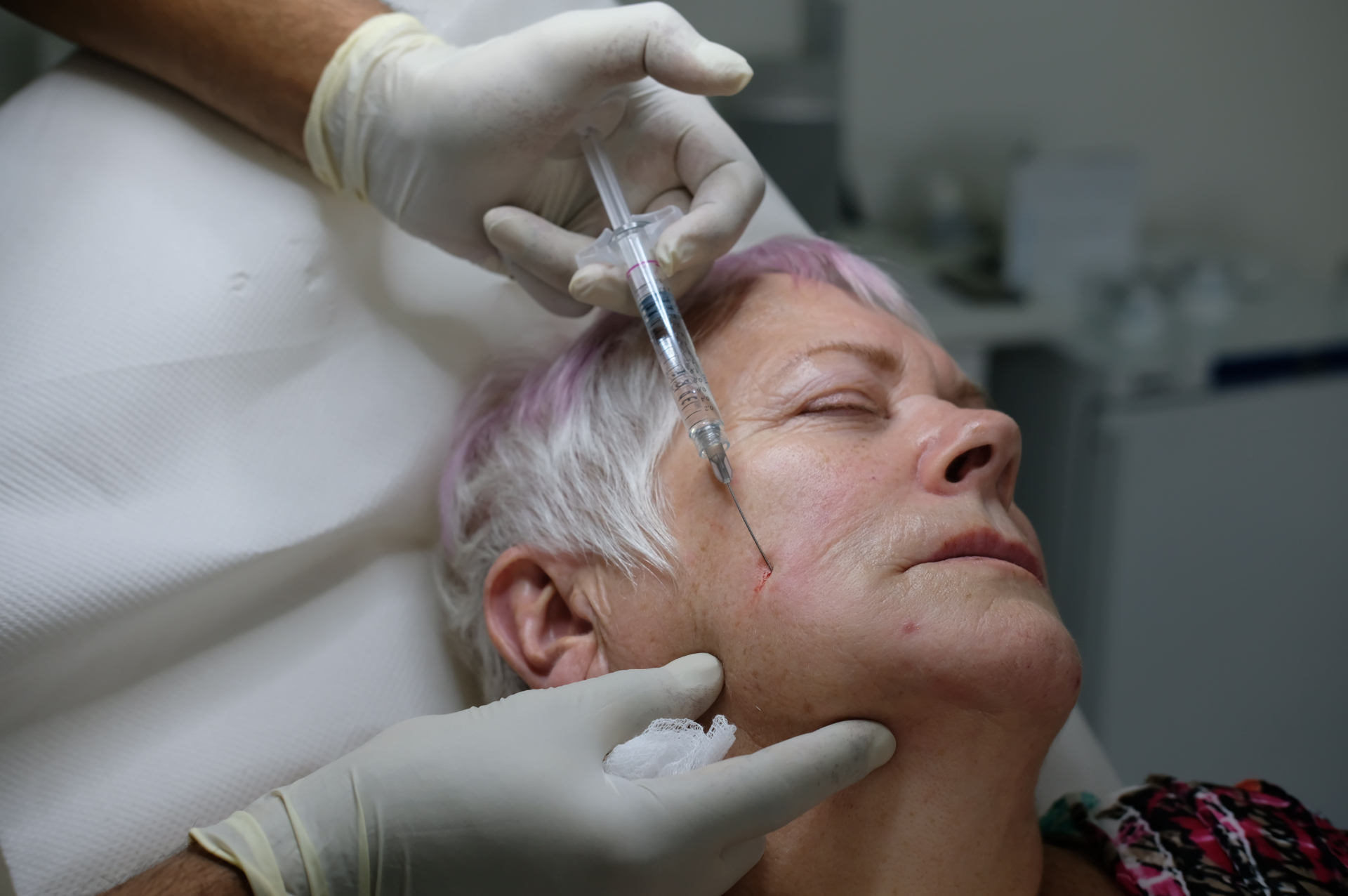
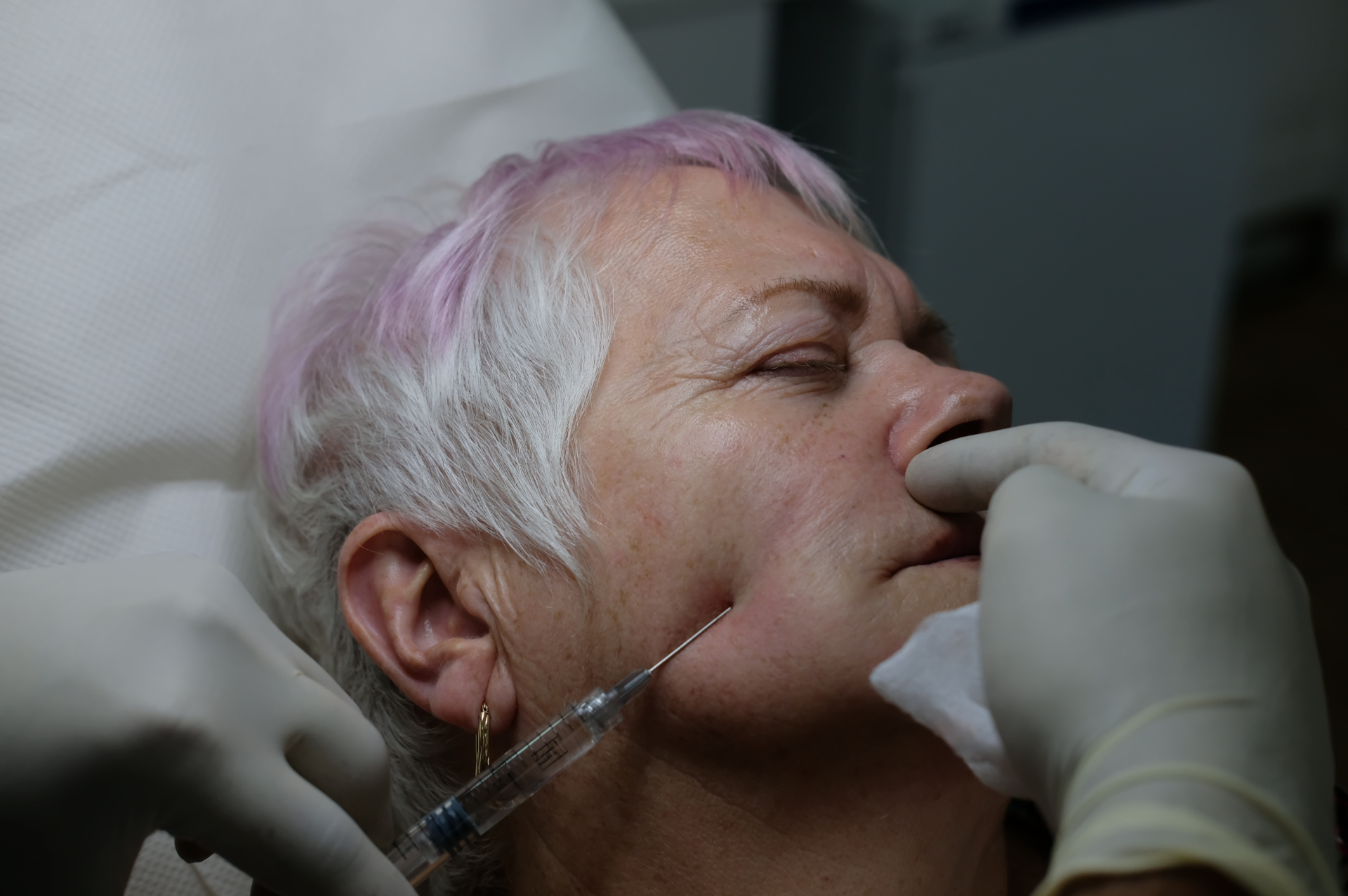
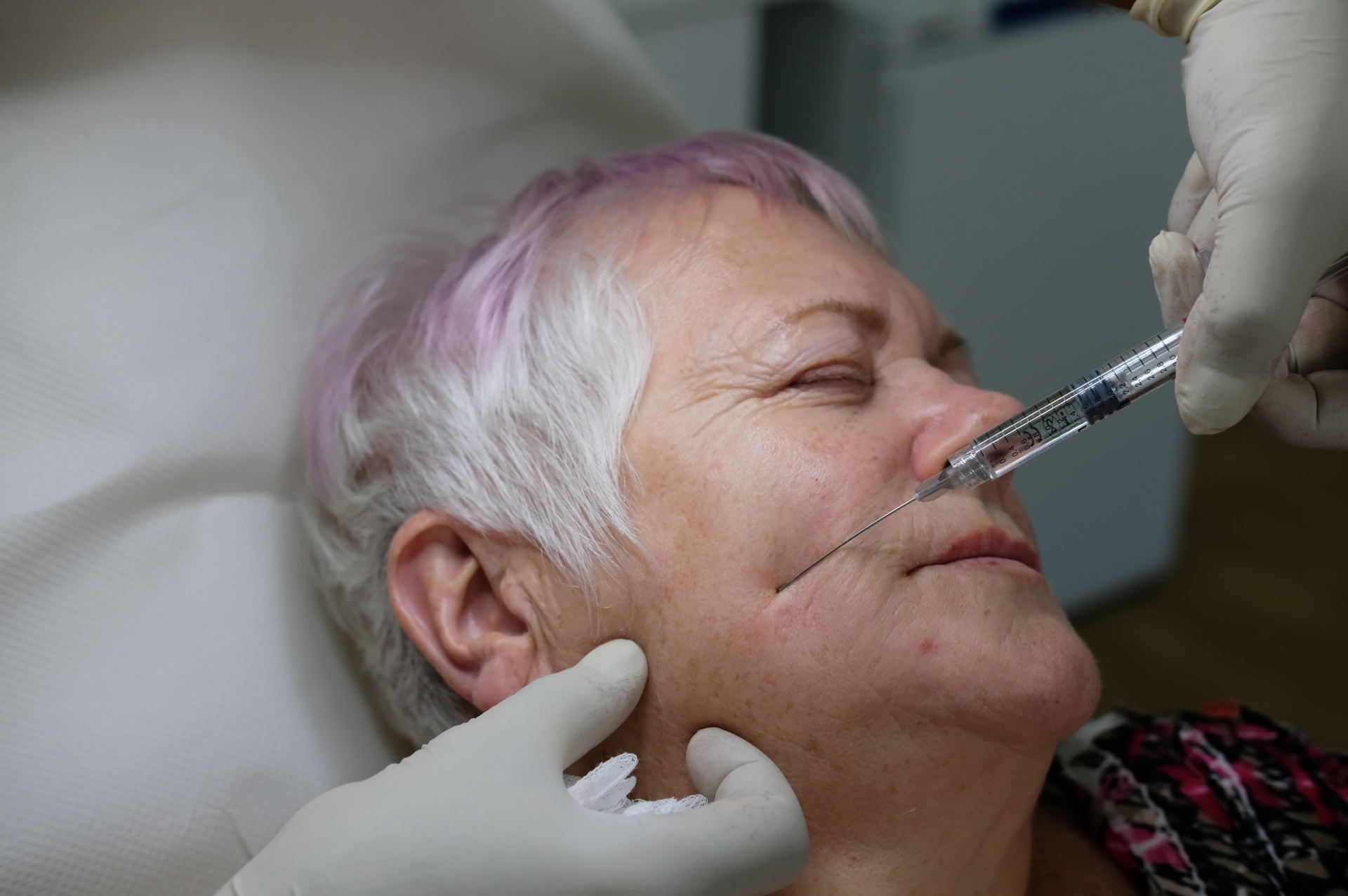
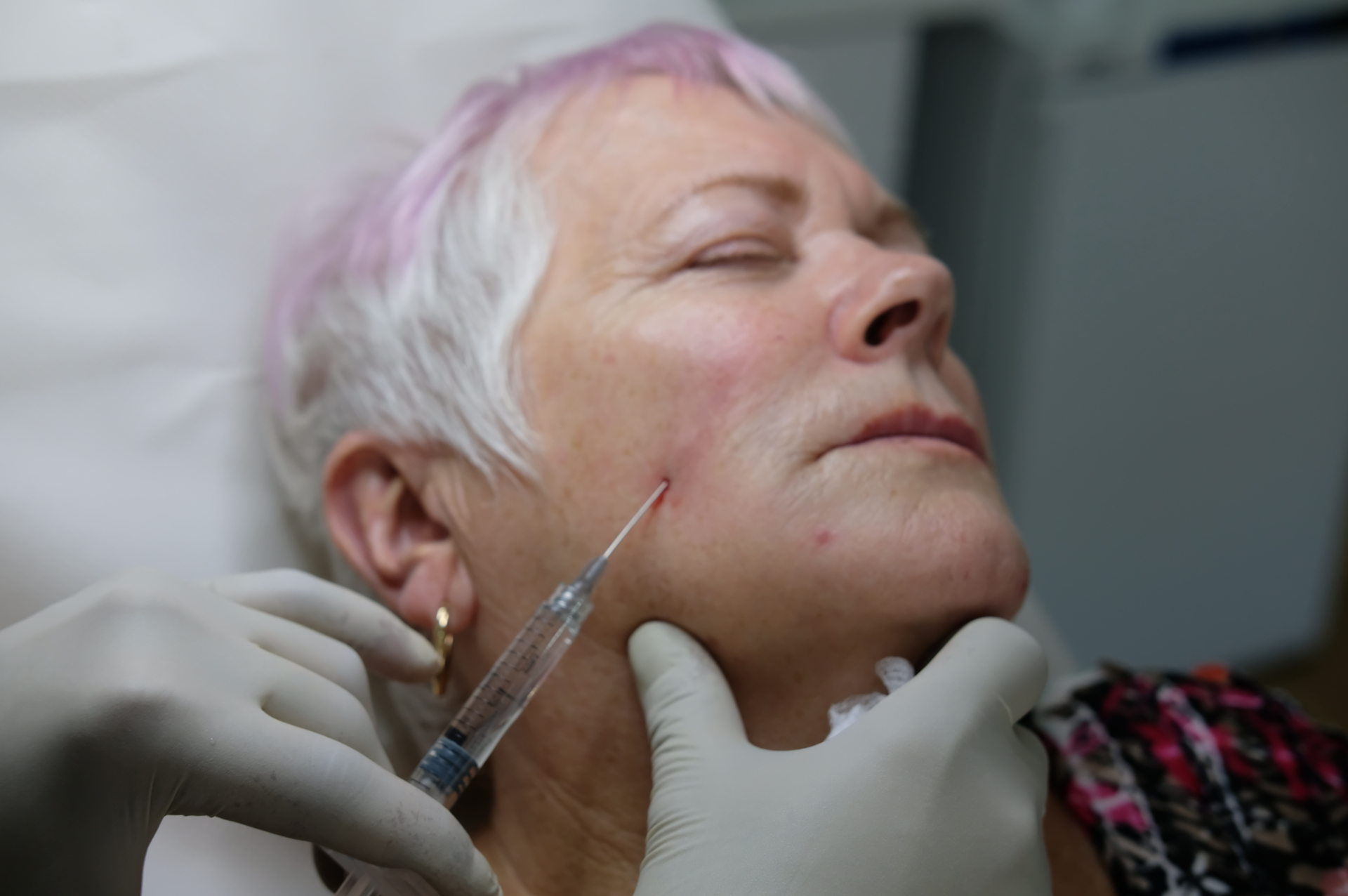
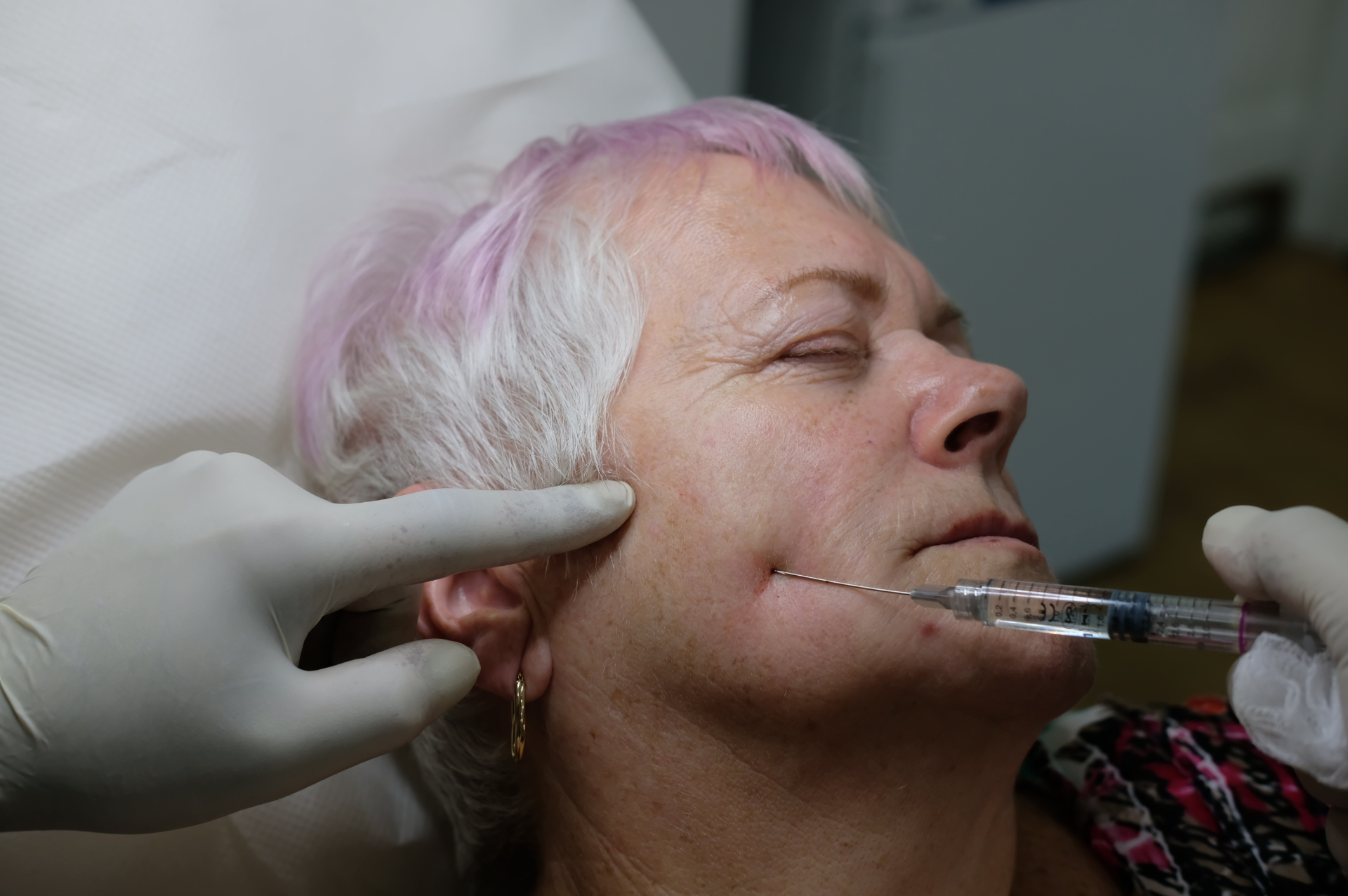
"A few thousand syringes later — or you could just learn my shortcuts"
"In layers, not lines. In planes, not pages."
The Harley Street Institute way of teaching aesthetics.
Our Philosophy: Aesthetic Anatomy — The Art of Depth
For too long, aesthetic education has been borrowed from surgical anatomy — a discipline designed for those who open, cut, and reconstruct. Students have been taught to memorise neurovascular maps and musculoskeletal structures with extraordinary precision — yet, in aesthetic practice, these details often live in theory, not in touch.
At Harley Street Institute, we redefine how anatomy is taught and understood. Our philosophy, Aesthetic Anatomy, is rooted in the belief that aesthetics must be learned in layers, not lines; in planes, not pages.
We teach practitioners to see the face not as a textbook diagram, but as a living landscape — dynamic, variable, and expressive. The injector's world is not defined by scalpels or imaging, but by needles, cannulas, and the trained eye that knows where depth becomes design.
In traditional anatomy, you learn what lies beneath.
In Aesthetic Anatomy, you learn how to navigate it safely.
The Language of Layers
Every millimetre beneath the skin tells a different story. The epidermis speaks of texture and tone; the dermis holds the architecture of youth; the subcutaneous layer determines contour and proportion; and at the periosteal level, we find the foundation upon which beauty is built.
Each layer demands a different approach, a different tool, and a different touch. The needle, the cannula, the pressure, and even the speed of delivery — all become instruments of precision when guided by depth rather than guesswork.
Through this understanding, our students learn not just how to inject, but how to interpret anatomy through feel, resistance, and response.
From Anatomy to Artistry
Aesthetic Anatomy is not the rejection of anatomy — it is its evolution. It shifts focus from memorisation to mastery, from maps to movement. It recognises that no two faces share the same vascular pattern, yet all faces share the same layers of depth.
By teaching through this paradigm, Harley Street Institute empowers practitioners to inject with confidence, safety, and artistry — to sculpt rather than fill, to design rather than copy, and to harmonise rather than freeze.
We do not chase vessels. We respect them.
We do not fear anatomy. We command it.
And through this, we elevate aesthetic medicine into a discipline of precision, depth, and intelligent beauty.
Acknowledging the Great Minds of Aesthetics
Very few people in aesthetics have truly shaped the way we understand this field. One of them is Dr. Zein Obagi, whose simplicity in explaining the skin is unmatched. I highly recommend reading his book, watching his videos, and — if possible — attending his in-person teachings. Another is Dr. Arthur Swift, whose wisdom and understanding of injectables will probably never be surpassed. These two have influenced the way I see aesthetic medicine. And after treating over 25,000 patients, I've learned that while knowledge builds confidence, experience builds instinct — and it is that instinct that defines safe, artistic injecting.
So if, in the later chapters of this book, you come across phrases or ideas that sound familiar — things once uttered by Dr. Obagi or Dr. Swift — it's because I regard them as my teachers. Their philosophy is deeply instilled in me, almost imprinted on my mind. Sometimes I repeat their words without even realising it — not out of imitation or plagiarism, but out of genuine respect and influence.
As Isaac Newton once said, "If I have seen further, it is by standing on the shoulders of giants."
The Dunning–Kruger Problem
Why the most dangerous injector in the room is the one who just finished their first course
In 1999, two Cornell psychologists described something uncomfortable about human nature: the less competent a person is, the more confident they tend to be. The more competent a person becomes, the more acutely they feel the weight of what they still do not know. In most fields, this is an academic curiosity. In aesthetics, it is a clinical hazard.
You begin knowing nothing. You do a beginner course. You inject a few lips. The results are fine, the patients are happy — and suddenly you are standing on the Peak of Mount Stupid: the highest point of confidence relative to actual competence you will ever reach in your career. At the peak, you feel invincible. You post results on Instagram. You offer treatments you were never taught. You tell yourself that advanced anatomy is for surgeons. It is not.
The fall is inevitable. It is triggered by the first complication you cannot explain. The first tear trough that looks worse, not better. The first lump you have no framework for. That is the Valley of Despair — and the good practitioners sit with it, go back to the anatomy, and start to see that what they once called a good result was only a mediocre one they had not yet developed the eye to critique.
That is the Slope of Enlightenment. The bad ones never reach the valley at all — protected by patients who do not know enough to tell them the result is wrong, they mistake gratitude for excellence and stay on the peak forever.
The Plateau of Sustainability — where genuine competence and genuine confidence finally meet — is earned slowly. It looks like quiet certainty. It looks like a practitioner who can explain exactly what they did and why, predict a complication before it happens, and know immediately which layer has failed and what to do about it.
It does not look like a hundred Instagram posts.
If you are reading this book, you are probably in one of two places on the curve: on the peak — fresh from a beginner course, slightly unnerved by how much of this book you did not know existed — or in the valley, experienced enough to have seen your own limitations and humbled enough to go looking for answers. Both are good places to be. The moment you understand that a weekend course does not make you a facial anatomy expert is the moment you begin to become one.
This book is written for the practitioner who has decided to climb. Not the one satisfied with the view from the peak, but the one who looked down and felt the vertigo of realising how far there is still to go. That vertigo is not a weakness. It is the beginning of clinical intelligence.
Welcome to the slope.
The Harley Street Institute Way
At Harley Street Institute, every course, every module, and every mentorship follows the principles of Aesthetic Anatomy. Our students learn the science of the skin and the philosophy of touch. They are trained to think like clinicians but create like artists — to see depth not as a risk, but as a roadmap to beauty.
We believe the future of aesthetic medicine will belong to those who understand that true safety and artistry begin beneath the surface — in the mastery of layers, not in the memorisation of surgical anatomy, arteries, and nervous pathways.