When prospective students enquire about our foundation botox courses or Certificate in Aesthetic Medicine programmes, they often ask about the technical aspects: "How many injection points will I learn?" or "What products will we use?" Whilst these are valid questions, they miss the fundamental skills that truly determine success in aesthetic medicine.
After training over 2,000 practitioners across our programmes, including our comprehensive Fellowship in Aesthetic Medicine, we've identified three core competencies that separate exceptional practitioners from the merely competent. Contrary to common expectations, these aren't technical skills—they're confidence, structured protocols, and refined technique.
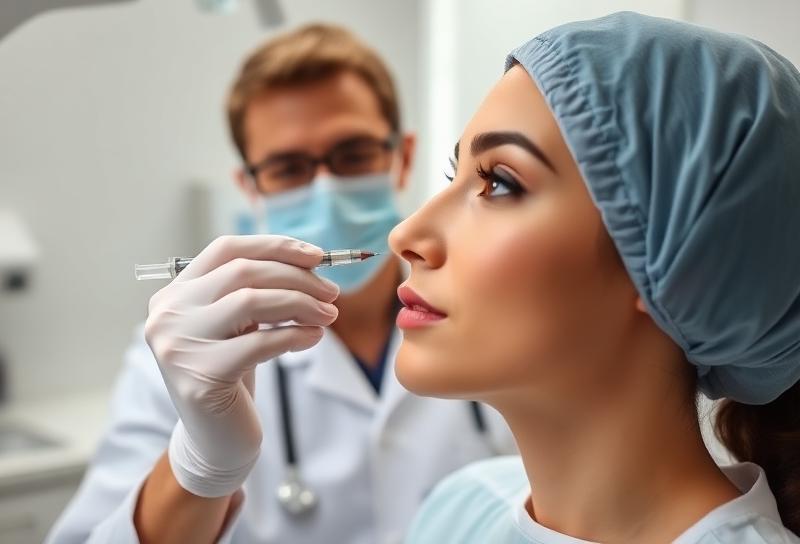
Building confidence through structured learning environments
The Common Misconceptions About Aesthetic Training
Before we explore what truly matters, let's address the elephant in the room: what most people think aesthetic training is about. Social media has created a distorted perception that aesthetic medicine is primarily about memorising injection patterns or collecting certificates. This couldn't be further from the truth.
Many newcomers to the field believe that success hinges on knowing the latest product launches or having the most extensive portfolio of before-and-after photos. Others think that attending numerous one-day workshops will somehow transform them into competent practitioners. These misconceptions often lead to practitioners who are technically proficient but lack the fundamental skills needed for long-term success.
Why Technical Knowledge Alone Isn't Enough
In our experience training medical professionals, we've observed that those who focus solely on technical aspects often struggle with patient communication, treatment planning, and clinical decision-making. They may know exactly where to place an injection, but they falter when a patient asks a challenging question or when results don't meet expectations.
This is why our approach at the Harley Street Institute fundamentally differs from quick-fix training providers. We focus on building practitioners who can think critically, communicate effectively, and deliver consistent results—skills that extend far beyond technical proficiency.
Skill 1: Confidence Through Competence
The first and perhaps most crucial skill our students develop is genuine confidence. Not the false bravado that comes from watching YouTube videos or attending webinars, but the deep-seated assurance that comes from understanding the 'why' behind every action.
Confidence in aesthetic medicine manifests in several ways:
- Patient Consultation: Speaking authoritatively about treatment options whilst remaining honest about limitations
- Treatment Planning: Making clinical decisions based on evidence rather than guesswork
- Managing Expectations: Having difficult conversations about realistic outcomes
- Handling Complications: Responding calmly and effectively when things don't go as planned
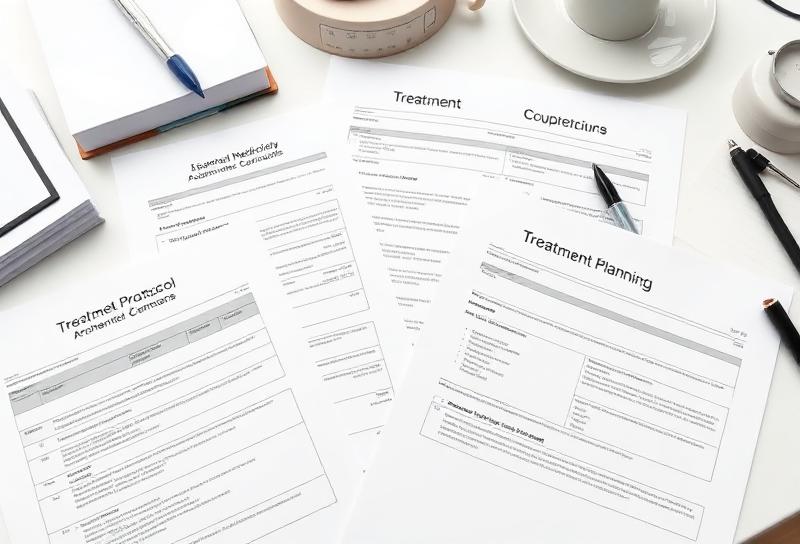
Implementing structured protocols for consistent outcomes
Building Confidence Through Proper Foundations
Our training methodology focuses on building confidence systematically. We start with comprehensive anatomy education—not just memorising muscle names, but understanding how facial structures interact and age. Students learn to assess faces three-dimensionally, considering bone structure, soft tissue changes, and dynamic movement patterns.
This foundation allows our graduates to explain their treatment recommendations with authority. When a patient asks why you've chosen a particular approach, you can explain the anatomical rationale rather than simply stating "this is what we usually do."
Skill 2: Structured Approach as Clinical Protocol
The second essential skill is developing a structured approach that can be applied consistently across all patients. This isn't about following rigid rules—it's about having a systematic framework that ensures thoroughness whilst allowing for individual patient needs.
Our structured approach encompasses:
- Patient Assessment: Systematic evaluation of facial anatomy, skin quality, and patient goals
- Treatment Planning: Prioritising interventions based on clinical evidence and patient objectives
- Injection Protocols: Standardised techniques that can be adapted to individual anatomy
- Post-Treatment Care: Consistent follow-up procedures and complication management
Why Protocols Matter More Than Techniques
Many practitioners focus on learning numerous injection techniques without understanding when and why to use each one. Our students learn that having a structured protocol is more valuable than knowing fifty different injection patterns.
A well-developed protocol serves multiple purposes: it ensures consistent quality, reduces decision fatigue, minimises errors, and provides a framework for continuous improvement. When you have a robust protocol, you can adapt it to different clinical scenarios whilst maintaining your standards of care.
Skill 3: Refined Technique Through Deliberate Practice
The third essential skill is technique—but not in the way most people imagine. Technique isn't about memorising injection patterns or copying what you've seen online. It's about developing the motor skills, spatial awareness, and clinical judgement that allow you to deliver treatments safely and effectively.
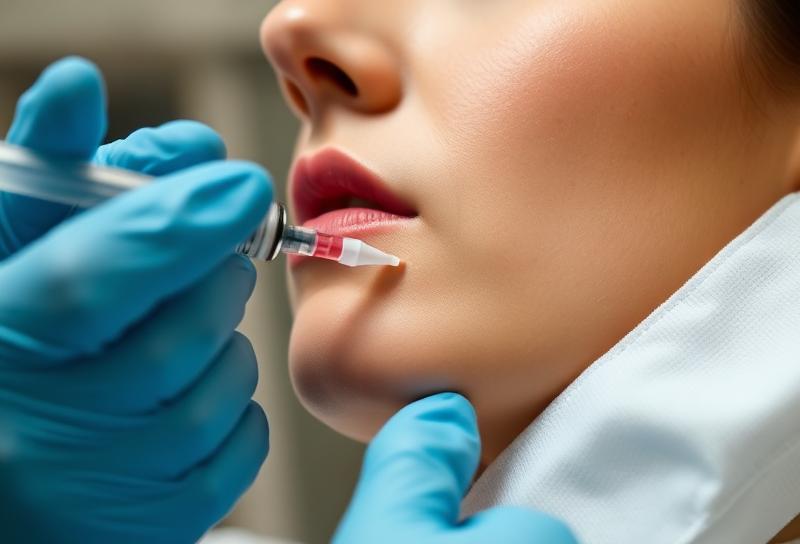
Mastering technique through deliberate practice and expert guidance
The Elements of Superior Technique
Refined technique in aesthetic medicine comprises several interconnected elements:
- Needle Control: Precise depth and angle control for optimal product placement
- Injection Pressure: Understanding how injection speed affects product distribution
- Tissue Manipulation: Using non-injecting hand effectively to improve accuracy
- Product Handling: Maintaining product integrity and sterility throughout the procedure
What distinguishes our approach is the emphasis on deliberate practice. Students don't just perform injections—they understand the biomechanics behind each movement. They learn to self-correct and refine their technique based on immediate feedback from experienced practitioners.
The Role of Expert Training in Skill Development
These three skills cannot be developed in isolation or through self-study. They require expert guidance from trainers who possess not only technical expertise but also the pedagogical skills to effectively transfer knowledge.
What Makes a Superior Aesthetic Trainer
The quality of training directly impacts the development of these essential skills. At the Harley Street Institute, our trainers embody several key characteristics that facilitate effective learning:
- Active Clinical Practice: All our trainers are practising clinicians who deal with real patients daily
- Patience and Adaptability: Understanding that different students learn at different paces and through different methods
- Evidence-Based Approach: Grounding all teaching in current research and best practices
- Mentorship Mindset: Focusing on long-term student development rather than short-term course completion
The Practising Clinician Advantage
One of the most significant advantages of learning from practising clinicians is access to real-world experience. Our trainers don't just teach from textbooks—they share insights gained from thousands of patient interactions. They can explain not just what to do, but why certain approaches work better in practice.
This practical experience is invaluable when teaching the three essential skills. Confidence comes from understanding real patient scenarios, not theoretical examples. Structured protocols are refined through actual clinical use, not academic speculation. Technique is perfected through hands-on practice with immediate expert feedback.
Why These Skills Matter More Than Technical Knowledge
The aesthetic medicine landscape is constantly evolving. New products are launched regularly, techniques are refined, and best practices are updated. Practitioners who focus solely on technical knowledge find themselves constantly playing catch-up, attending course after course to stay current.
However, practitioners who master confidence, structured approaches, and refined technique find they can adapt to changes more readily. These foundational skills provide a framework for incorporating new knowledge and techniques throughout their careers.
Long-Term Career Success
The practitioners who achieve long-term success in aesthetic medicine are those who can build trust with patients, deliver consistent results, and adapt to changing circumstances. These outcomes are direct results of the three essential skills we've discussed.
Confident practitioners attract more patients and achieve better outcomes. Those with structured approaches build sustainable practices with predictable results. Practitioners with refined technique can handle complex cases and achieve superior aesthetic outcomes.
Preparing for Your Aesthetic Medicine Journey
If you're considering entering the field of aesthetic medicine, understanding these three essential skills should inform your choice of training programme. Look for courses that emphasise skill development over certificate collection, that provide ample hands-on practice with expert feedback, and that prepare you for real-world clinical practice.
Whether you choose our foundation course, Certificate in Aesthetic Medicine, or progress to our Fellowship programme, remember that your education is an investment in developing these fundamental competencies. The technical knowledge will come naturally when you have the right foundation.
Taking the Next Step
The journey to becoming an exceptional aesthetic practitioner begins with understanding what truly matters. It's not about collecting certificates or memorising injection patterns—it's about developing the confidence, structure, and technique that will serve you throughout your career.
At the Harley Street Institute, we're committed to developing these essential skills in every student. Our programmes are designed not just to teach techniques, but to build practitioners who can think critically, communicate effectively, and deliver exceptional patient care.
The three skills we've discussed—confidence, structured approach, and refined technique—form the foundation of aesthetic medicine excellence. They distinguish competent practitioners from exceptional ones and provide the framework for a successful, sustainable career in this rewarding field.