Module 10: Treating Chronic Inflammation & Barrier Repair — CAD Programme | Harley Street Institute
Treating Chronic Inflammation & Barrier Repair
When inflammation stops being protective and starts being the problem
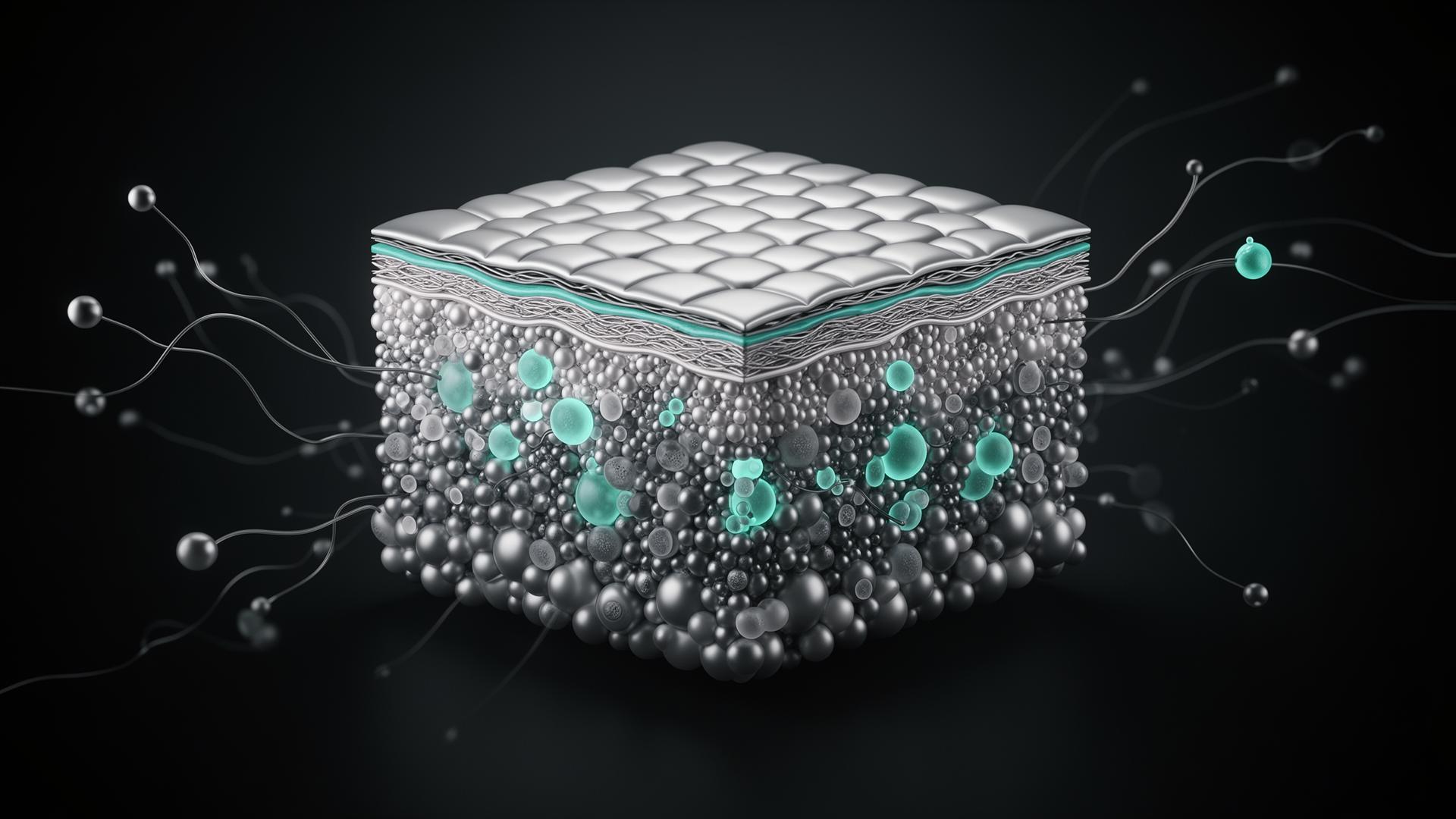
Acute inflammation is a fire that does its job and goes out. Chronic inflammation is the same fire left smouldering for years — quieter, less dramatic, and far more destructive. In aesthetic skin you see it as the patient who is "always a bit pink", whose barrier never fully settles, who flares with anything stronger than tap water, and whose pigmentation problems never quite resolve no matter how many tyrosinase inhibitors you reach for.
Module 10 is the integrative module of the CAD programme. Everything you have absorbed about barrier, melanocytes, sebum, infection and procedural risk converges here, in the patient who is not acutely sick and not aesthetically simple — they are chronically inflamed, and you have to fix that before you do anything else.
The goal of this module is unfashionably modest: get the skin quiet, then keep it quiet long enough that you can actually deliver the result the patient came in for. That means recognising chronic inflammation when it is wearing the costume of "sensitive skin", "rosacea-prone", "easily irritated" or "reactive to everything". It means building a clinical reset that uses the right washes, the right antioxidants, the right retinoid at the right strength, and the right amount of moisturiser — which is often less than the patient thinks.
We will work through the chronic inflammation cycle and how to break it; sebum control with alpha- and beta-hydroxy acid washes for oily and combination skin; antioxidants — chiefly vitamin C — to lower free-radical load; retinoids (retinol, retinal, retinoic acid) for exfoliation and repair done properly rather than aggressively; lazy skin syndrome, where over-moisturisation suppresses the skin's own renewal; and the line between cosmeceuticals and cosmetics, which is the line between treatment and theatre.
Key Points
- Chronic inflammation is invisible until you look for it — most "sensitive" skin is chronically inflamed
- You cannot resurface, lighten or lift inflamed skin without making it worse
- A clinical reset is sequenced: calm the fire, restore the barrier, then reintroduce actives
- More product is rarely the answer; the right product at the right cadence almost always is
CPD.credit
Earn Verifiable CPD for this course
Completed this reading? Complete the quick assessment and course review on CPD.credit to log your verifiable CPD.
Assessment availability and credit eligibility are determined by CPD.credit.