Why Choose Harley Street Institute?
Harley Street Institute is the UK's leading provider of aesthetic medicine training. We offer comprehensive courses for medical professionals at all levels. Our training is hands-on and practical. You will learn from experienced practitioners who work in clinical settings daily.
Our courses are CPD accredited. They are taught at our Harley Street location in central London. We also offer online learning options for theoretical components.
Foundation Botox and Dermal Fillers Course
Our Foundation course is perfect for beginners. It is a 2-day practical training programme. You will learn basic injection techniques. You will understand facial anatomy for aesthetic procedures. The course covers both Botox and dermal filler treatments.
Price: £1,500 + VAT. Includes all materials and live model practice. Certificate awarded upon completion.
Learn more about Foundation Course
Advanced Botox and Dermal Fillers Course
The Advanced course builds on foundation skills. It is a 3-day intensive programme. You will learn advanced techniques. These include cannula work, complex facial contouring, and complication management.
Price: £2,500 + VAT. Includes advanced practical sessions and certification.
Learn more about Advanced Course
Fellowship in Aesthetic Medicine
Our Fellowship is the most comprehensive programme we offer. It covers all aspects of aesthetic medicine. You will gain expertise in injectables, skin treatments, and business development.
Price: £14,400 + VAT. Includes lifetime post-course support and mentorship.
Learn more about Fellowship
Aesthetic Anatomy Philosophy
At Harley Street Institute, we teach aesthetic anatomy differently. Our philosophy focuses on layers, not lines. We teach planes, not pages. This depth-based approach makes injection safer and more effective.
Traditional anatomy is designed for surgeons. Aesthetic Anatomy is designed for injectors. You will learn to navigate facial structures safely. You will understand depth rather than just memorise maps.
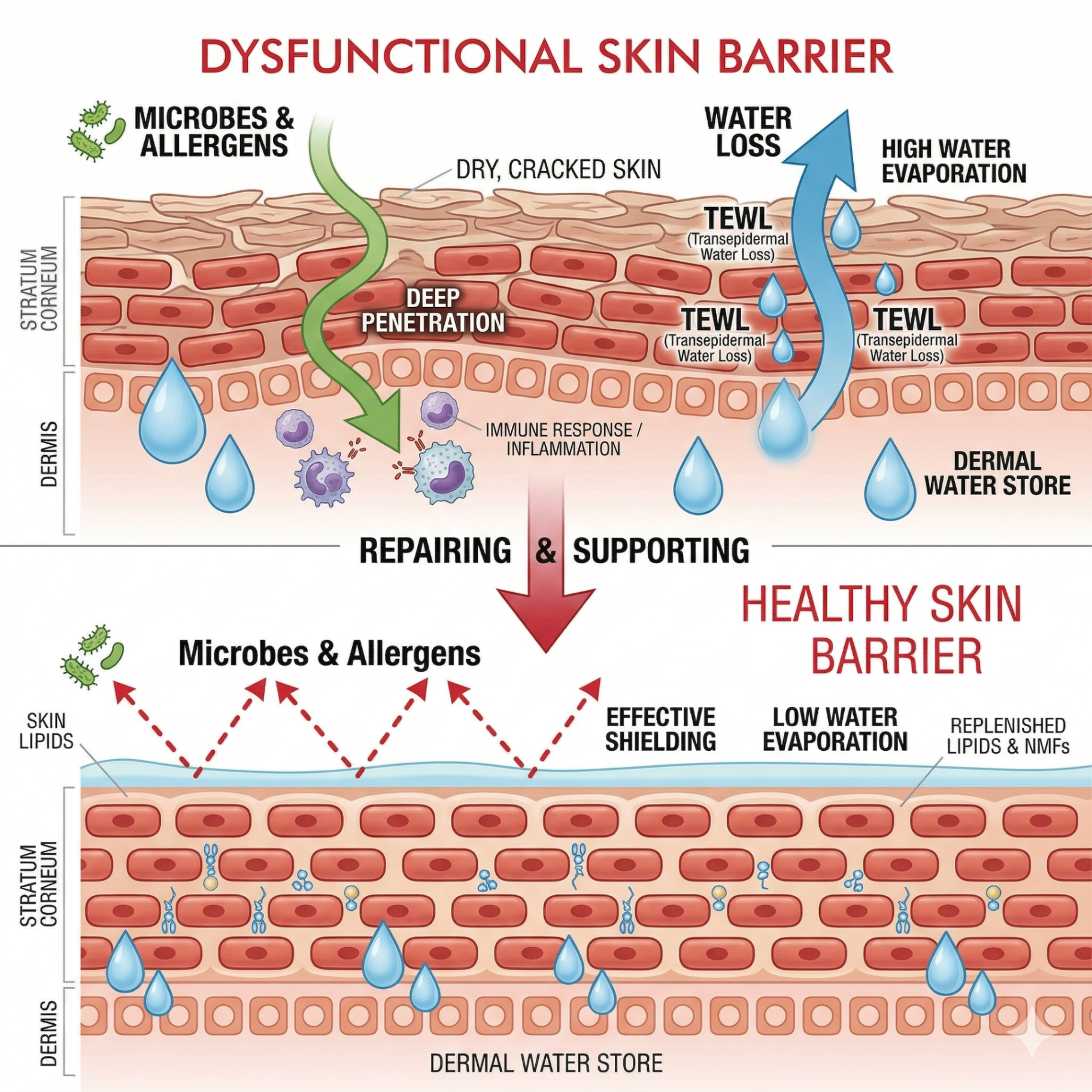
Every millimetre beneath the skin tells a different story. The epidermis speaks of texture. The dermis holds the architecture of youth. The subcutaneous layer determines contour. At the periosteal level, we find the foundation of beauty.
Read our Aesthetic Anatomy Philosophy
Aesthetic Talk Blog Series
Aesthetic Talk is our educational blog series. It covers injection skills, anatomy, and practice building. Each chapter provides practical insights for practitioners.
Topics include facial anatomy layers, choosing clients ethically, treatment protocols, and business development. The series is written by Dr Ahmed Haq, our Medical Director.
Explore Aesthetic Talk Series
Course Information
Who Can Attend?
Our courses are open to medical professionals. This includes doctors, nurses, dentists, pharmacists, and paramedics. You must hold appropriate professional registration.
Course Format
All courses include theoretical and practical components. Theory is delivered via online pre-learning. Practical training takes place at our London clinic. You will work on live models under supervision.
What You Will Learn
- Facial anatomy for aesthetic procedures
- Patient consultation and assessment
- Injection techniques with needle and cannula
- Product selection and placement
- Complication management
- Business and marketing fundamentals
Location and Contact
Harley Street Institute is located in the heart of London's medical district. Our address is Harley Street, London, United Kingdom.
Contact us by email or phone. We are happy to answer questions about our courses. We can help you choose the right training path for your career.
Contact Harley Street Institute
About Dr Ahmed Haq
Dr Ahmed Haq is the founder and Medical Director of Harley Street Institute. He has treated over 25,000 patients. He has trained hundreds of practitioners in aesthetic medicine.
His teaching philosophy emphasises safety and artistry. He believes in teaching through layers and depth. This approach creates confident, skilled injectors.
Learn more about our team