Digital Marketing for Aesthetic Practitioners: A Beginner's Guide to SEO, Backlinks, and Google Ads
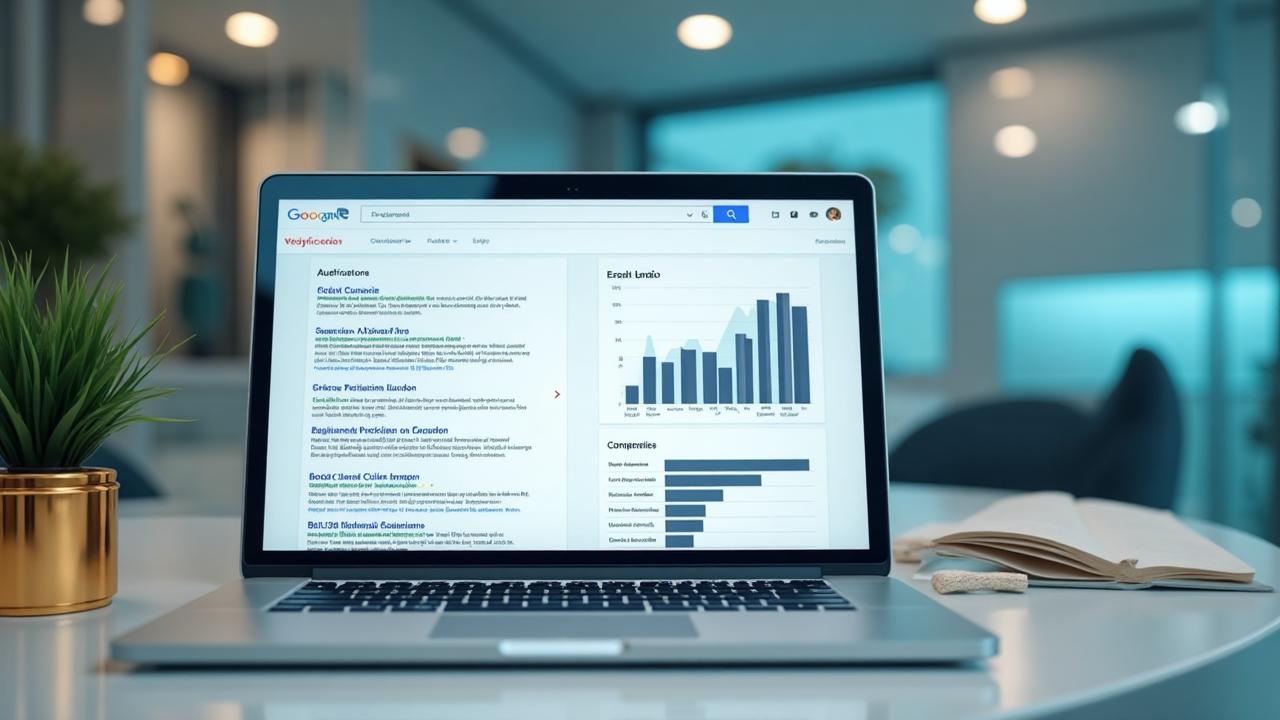
In the world of aesthetic medicine, having exceptional hands-on skills is no longer enough. Patients today search online first, compare reviews, and choose the practitioners they trust and see most often on Google.
When someone types "Botox clinic in London," "lip filler near me," or "skin rejuvenation specialist," the clinics that appear on the first page instantly earn credibility. If your website doesn't appear there, potential patients may never discover you — no matter how good your work is.
This guide introduces aesthetic professionals to the basics of digital marketing: how search engines work, what backlinks are, and how tools like Google Ads help you reach more patients ethically and effectively.
🎧 Listen to the Podcast Episode
💉 Why Every Aesthetic Clinic Needs Digital Marketing
In aesthetic medicine, perception and trust are everything. A beautifully designed website and strong Google visibility help you:
- Attract new patients searching locally
- Showcase treatments, results, and qualifications
- Build long-term credibility and authority
- Compete fairly with larger clinic chains
In short: marketing isn't about selling — it's about being found.
Patients who search online are already looking for what you offer. Digital marketing simply helps them find you first.
🌐 What Is SEO (Search Engine Optimisation)?
SEO, or Search Engine Optimisation, is the process of improving your website so that Google shows it to the right people at the right time.
For example, if a patient searches:
"Botox clinic in London"
"best skin clinic near me"
"tear trough filler specialist Harley Street"
Google scans thousands of websites to find the ones that are most relevant, trustworthy, and easy to understand.
Good SEO helps your website appear higher in search results, which leads to more visibility, clicks, and patient bookings — all without paying for adverts.
🩺 On-Page SEO: The Foundation of Your Clinic Website
On-page SEO refers to everything you can control on your own website — the words, layout, speed, and structure.
a) Use the Right Keywords
Think like your patient. Patients don't type "glabellar complex neuromodulator" — they type "frown line Botox London."
Examples of strong aesthetic keywords:
- Botox clinic in London
- Lip filler near me
- Tear trough treatment Harley Street
- Skin booster clinic London
- Profhilo specialist near me
- Aesthetic training for doctors
- Non-surgical rhinoplasty London
- Anti-wrinkle treatment near me
Use these naturally throughout your website — in headings, paragraphs, and image names.
b) Optimise Page Titles & Descriptions
Every page should tell Google what it's about.
✅ Example:
Title: Botox & Dermal Filler Clinic in London | Dr. Ahmed Haq
Description: Advanced facial aesthetics and natural results in Harley Street. Book your consultation today.
c) Clear, Educational Content
Google rewards websites that educate rather than just sell. Write content that answers patient questions, such as:
- "How long does Botox last?"
- "Is tear trough filler safe?"
- "What's the difference between Profhilo and dermal filler?"
The more informative your content, the more Google trusts your expertise.
d) Technical Performance
- Make your website mobile-friendly (most users search on phones)
- Keep loading time under 3 seconds
- Use HTTPS for security
- Link between your own pages (e.g. "Learn more about lip fillers here.")
🔗 What Are Backlinks — and Why Are They So Important?
A backlink is simply a link from another website to yours.
Think of backlinks as professional referrals. If respected websites mention your clinic and link to you, Google views your site as more credible and authoritative.
🟢 Good backlinks come from:
- Medical or aesthetics associations
- Reputable industry publications (like Aesthetic Medicine Journal)
- Press features or interviews
- Educational sites (e.g., Harley Street Institute, RCS, training academies)
- Clinic directories or local listings (e.g., Google Maps, WhatClinic, Medpages UK)
🔴 Bad backlinks come from:
- Spammy, unrelated, or "link farm" websites
- Paid link schemes promising "1,000 backlinks overnight"
- Random international directories
Too many bad backlinks can actually hurt your ranking.
The best approach is to earn backlinks naturally: publish articles, share your expertise, and let others reference your content.
💡 Example:
If you publish an article titled "The Science Behind Tear Trough Fillers," and another training academy links to it, Google sees your clinic as an expert source.
📍 Local SEO: Be the First Clinic Patients Find Near You
Most aesthetic patients search locally — they type "Botox near me" or "lip filler clinic London."
That's where local SEO comes in.
How to Optimise for Local Searches:
- Create or claim your Google Business Profile (formerly Google My Business)
- Add your clinic name, address, phone number, website, and hours
- Upload professional photos of your clinic and staff
- Encourage happy patients to leave Google Reviews (always ethically and voluntarily)
- Keep information consistent across all listings (Google, Instagram, directories)
Reviews, accurate details, and frequent updates improve your local ranking dramatically.
💰 Introduction to Paid Advertising (Google Ads / PPC)
SEO builds long-term growth, but what if you want results quickly? That's where Google Ads (previously AdWords) helps.
What Is Google Ads?
Google Ads is a paid platform that allows your clinic's advert to appear at the top of search results for certain keywords. You only pay when someone clicks your advert — this is called Pay-Per-Click (PPC).
Example:
If you bid on "Botox clinic in London" and someone searches that phrase, your advert can appear above organic results. If they click your advert, you might pay between £2 and £5 depending on competition.
Average Cost-Per-Click (CPC) in the UK:
| Keyword Type | Average CPC (GBP) | Example |
|---|---|---|
| Botox / Anti-Wrinkle | £2.00 – £5.00 | "Botox clinic London" |
| Dermal Fillers | £1.50 – £4.50 | "Lip filler near me" |
| Skin Treatments | £1.00 – £3.50 | "Chemical peel London" |
| Training Courses | £2.50 – £6.00 | "Aesthetic training for doctors" |
💡 Tip: Start small. A daily budget of £10–£20 can already bring clicks and enquiries whilst you test keywords.
Why Use Google Ads?
- Instant visibility (appears above organic results)
- Targeted by location and search term
- Measurable results through analytics
- Great for promoting new services or courses
However, once you stop paying, your adverts stop showing — which is why combining SEO + PPC gives the best balance between immediate reach and long-term authority.
🩸 SEO vs. Google Ads: Which One Should You Focus On?
| Feature | SEO (Organic) | Google Ads (Paid) |
|---|---|---|
| Cost | Time or agency fee | Pay-per-click (£1–£6) |
| Results Time | 3–6 months | Immediate |
| Longevity | Ongoing benefit | Stops when paused |
| Goal | Build authority and trust | Drive instant enquiries |
| Best Use | Ongoing patient education | Launching new services or offers |
Combined strategy: Use Google Ads for visibility now, whilst building SEO to reduce costs later.
🖋️ Content: The Core of Every Marketing Strategy
In aesthetic medicine, content equals education — and education builds trust. Patients appreciate transparency and professionalism.
Types of Content That Work Best:
- Treatment guides: "What to Expect from Lip Fillers"
- FAQ articles: "How Long Does Botox Last?"
- Before-and-After galleries (compliant and consented)
- Educational videos or reels
- Blog posts explaining techniques
Why It Matters:
- Google ranks educational content higher
- It keeps patients longer on your page
- It earns backlinks naturally
- It positions you as a thought leader, not just a service provider
Example:
If your page "Best Botox Techniques for Frown Lines" starts getting shared by other professionals, your authority grows — both digitally and clinically.
⚖️ Compliance and Ethical Marketing in the UK
UK law prohibits direct advertising of prescription-only medicines (such as Botox®) to the public. However, you can still promote:
- Consultation services
- Treatment areas ("frown lines," "forehead wrinkles")
- Your qualifications and experience
- Patient education content
Always focus on informing, not selling. Ethical, medically sound marketing builds long-term trust and protects your reputation.
💡 Quick Start Checklist for Aesthetic Professionals
- ✅ Optimise your website (fast, mobile, HTTPS)
- ✅ Add strong keywords (e.g. "lip filler near me", "Botox London")
- ✅ Claim your Google Business Profile
- ✅ Encourage authentic reviews
- ✅ Publish educational content monthly
- ✅ Earn backlinks from credible sites
- ✅ Experiment with small Google Ads campaigns
- ✅ Track your progress using Google Analytics
✨ Conclusion: Building Digital Trust in Aesthetic Medicine
Your website is your digital waiting room — the first place patients meet you. By understanding SEO, backlinks, and Google Ads, you take control of how your expertise appears online.
Great results come from small, consistent actions: educating patients, earning trust, and maintaining visibility.
The clinics that succeed long-term aren't just the most artistic — they're the most discoverable.