Why Aesthetic Medicine Is Easier Than You Think: Overcoming Fear Through Proper Foundations
In the last five years, I've noticed a concerning trend among new aesthetic practitioners: an overwhelming fear of complications that, whilst serious, are actually quite rare. Let me explain why aesthetic medicine is more accessible than social media would have you believe.
The Social Media Fear Factor
Social media has created a distorted perception of aesthetic complications. Yes, vascular occlusion and droopy eyebrows can occur, but they're far rarer than platforms like Instagram and TikTok would suggest. The reality is that social media amplifies negative outcomes because bad news travels faster than good news.
Consider this: millions of aesthetic treatments are performed safely every year, but you won't see those success stories trending on social media. What you will see are the rare complications, often caused by poor technique or inadequate training, being shared and reshared until they seem commonplace.
The Real Culprit: Poor Foundations
Most complications in aesthetic medicine stem from one key issue: practitioners who haven't learned proper techniques. "Cowboy practices" – those who cut corners on training or rush into advanced procedures – are responsible for the majority of adverse outcomes that fuel social media fears.
"Aesthetic medicine is easy when good foundations are set. The key is starting conservatively and building confidence through proper technique."
The Conservative Approach: Your Safety Net
Here's the secret that experienced practitioners know: you don't need to achieve dramatic 90% improvements to have happy patients. In fact, aiming for 50-60% improvement as a beginner is not only safer but often more natural-looking.
Why Conservative Dosing Works:
- Botox: Starting with lower doses reduces the risk of complications like ptosis (droopy eyelids) whilst still delivering visible results
- Dermal Fillers: Conservative volume replacement looks natural and carries significantly lower risks
- Patient Satisfaction: Clients are genuinely happy with 25-50% improvement – they don't expect perfection
- Building Confidence: Success with conservative treatments builds both practitioner confidence and patient trust
When Things Get Risky
Complications typically occur when practitioners push beyond the 60% improvement mark. This is when you need to go deeper, use more aggressive techniques, and take greater risks. But here's the important point: you don't need to go there, especially as a beginner.
The sweet spot for new practitioners is in that 25-60% improvement range. Patients leave feeling refreshed and confident, practitioners build their skills safely, and everyone wins.
From Shaky Hands to Steady Confidence
I've seen countless practitioners who came to training with trembling hands and left with rock-solid confidence. The transformation happens when you realise that aesthetic medicine, taught properly, is a learnable skill – not a mystical art reserved for the naturally gifted.
Many successful aesthetic practitioners never had surgical training or extensive procedure experience before entering the field. What they had was:
- Proper foundational training
- Understanding of facial anatomy
- Conservative treatment philosophy
- Commitment to ongoing education
Essential Hand Positioning for Stable Injections
One of the most critical techniques for achieving stable, precise injections is proper hand positioning. Master these three fundamental positions to eliminate hand tremor and ensure accurate needle placement:
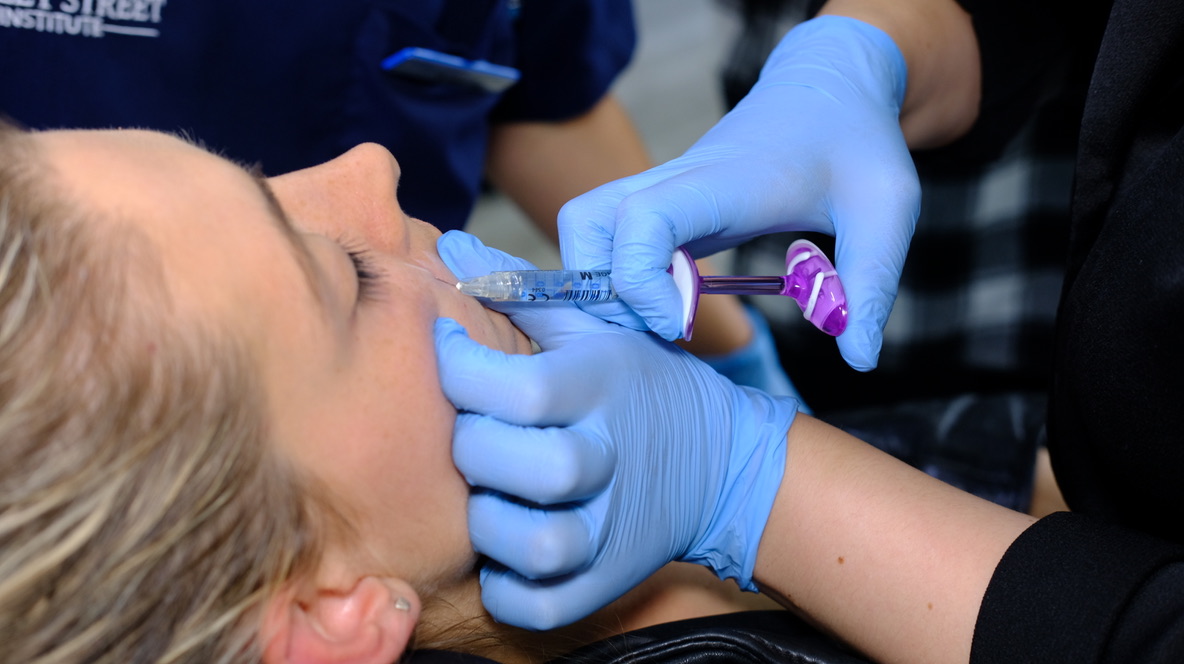
The Three-Point Stability Technique:
- Non-injecting hand placement: Position your non-injecting hand firmly on the patient's face, with gauze hidden discretely under the last two fingers for hygiene and comfort.
- Injection hand support: Rest your injection hand securely on your non-injecting hand, creating a stable platform that eliminates tremor and provides precise control.
- Treatment area preparation: Use your thumb and index finger of the non-injecting hand to gently stretch the treatment area, creating optimal skin tension for easy needle entry and accurate placement.
This technique transforms even the shakiest hands into steady, controlled instruments. By creating multiple points of contact and support, you eliminate variables that cause injection anxiety and ensure consistent, professional results every time.
Building Your Foundation
If you're considering entering aesthetic medicine, don't let social media scare stories deter you. Instead, focus on building solid foundations through comprehensive training that covers:
- Facial anatomy and injection techniques
- Patient consultation and expectation management
- Conservative dosing protocols
- Complication recognition and management
- Hands-on practice with experienced mentors
Ready to Start Your Aesthetic Journey?
Our Foundation Botox and Dermal Filler Course provides the solid groundwork you need to enter aesthetic medicine with confidence. Learn conservative, safe techniques that deliver excellent results whilst minimising risks.
Explore Our Foundation Course →The Bottom Line
Aesthetic medicine doesn't have to be intimidating. With proper training, conservative approaches, and realistic expectations, it's an accessible and rewarding field. Don't let rare complications amplified by social media prevent you from pursuing a career that could transform both your professional life and your patients' confidence.
Remember: patients don't expect miracles – they want subtle, natural improvements that help them feel their best. When you focus on delivering that through safe, conservative practices, you'll find that aesthetic medicine truly can be easier than you think.