
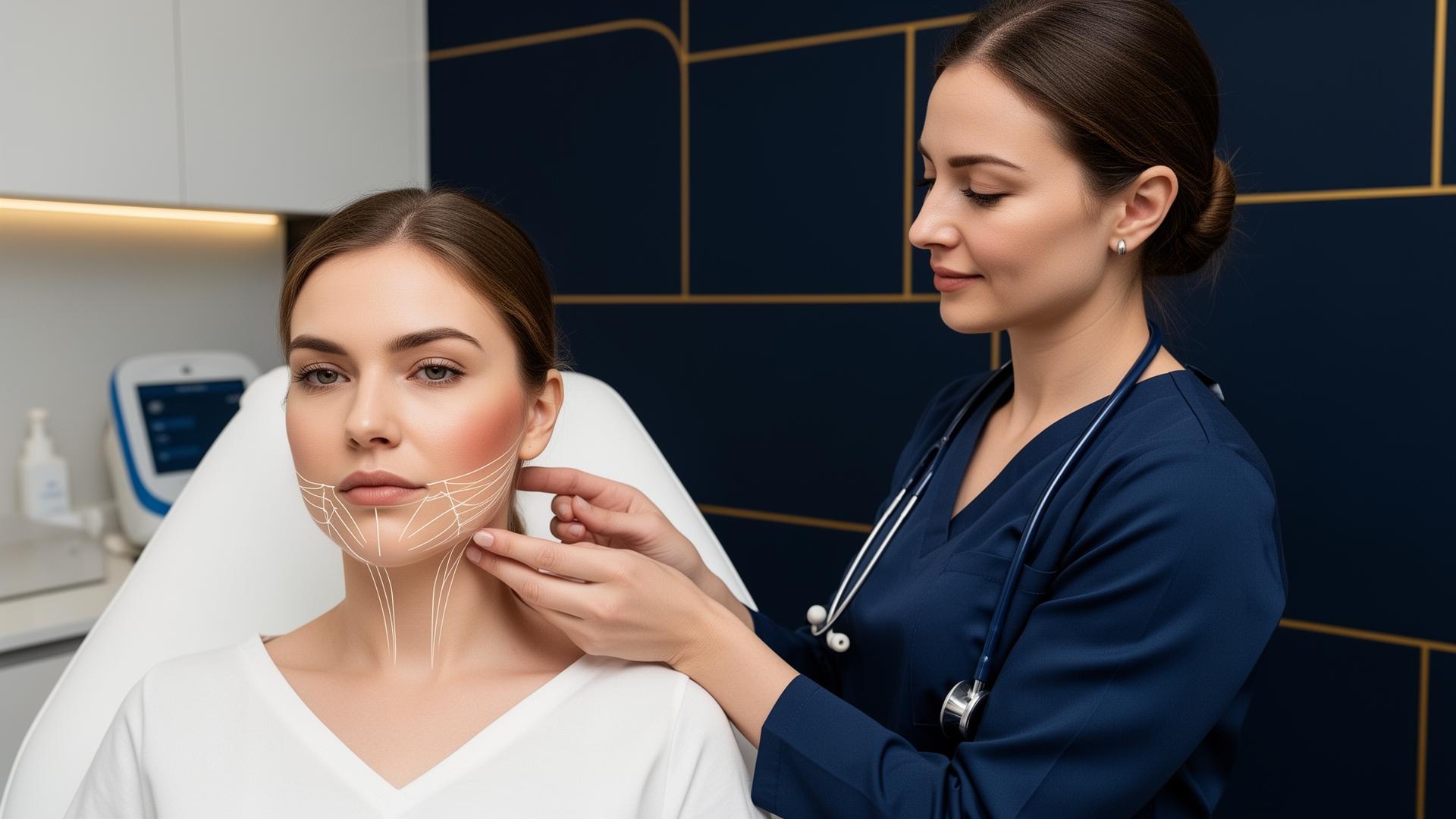
Masseter Botox Course
Specialist training in masseter botulinum toxin for bruxism management, jaw contouring, and TMJ dysfunction. Designed for medical professionals and dentists seeking to expand their clinical scope.
UK Revenue
£300–500
per treatment session
US Revenue
$500–800
per treatment session
Treatment Cycle
4–6 months
recurring, lifelong clients
The masseter botox course at Harley Street Institute addresses one of the most clinically nuanced and commercially significant applications of botulinum toxin in contemporary practice. Unlike standard aesthetic botox applications, masseter treatment spans both cosmetic and therapeutic domains, requiring practitioners to navigate jaw slimming requests alongside genuine functional disorders such as bruxism and temporomandibular joint dysfunction.
This specialist training moves beyond the protocol-driven approach of foundation courses. The masseter muscle presents unique anatomical challenges, and patient presentations vary considerably in aetiology, severity, and treatment goals. Some patients seek facial contouring for aesthetic improvement, while others present with debilitating nocturnal grinding, chronic jaw pain, or headache patterns linked to masticatory muscle hyperactivity.
Experienced practitioners recognise that masseter botox applications require careful clinical judgment at every stage — from patient selection and muscle assessment through dosing strategy and outcome prediction. This course develops that clinical reasoning.
Clinical Outcomes & Assessment
Representative clinical imagery demonstrating masseter assessment technique and treatment outcomes in jaw contouring applications.
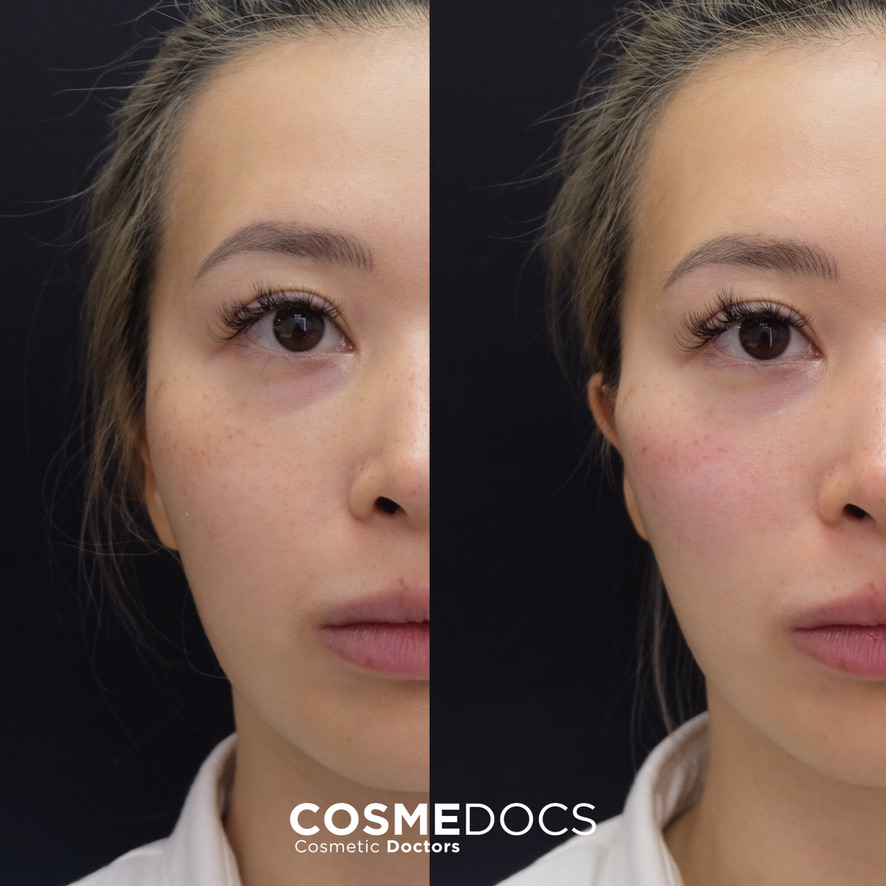
Before & After — Jaw Contouring
Masseter botulinum toxin treatment demonstrating reduction in lower face width. Results vary between patients.
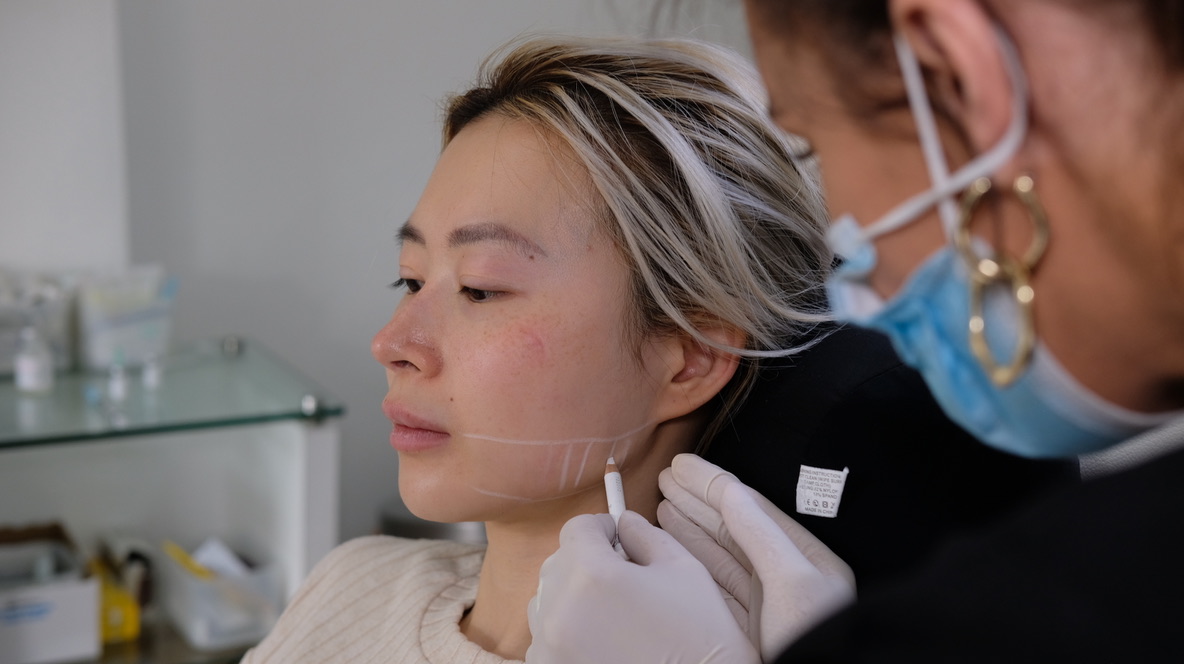
Treatment Planning & Marking
Precise anatomical marking of injection points along the masseter muscle prior to botulinum toxin administration.
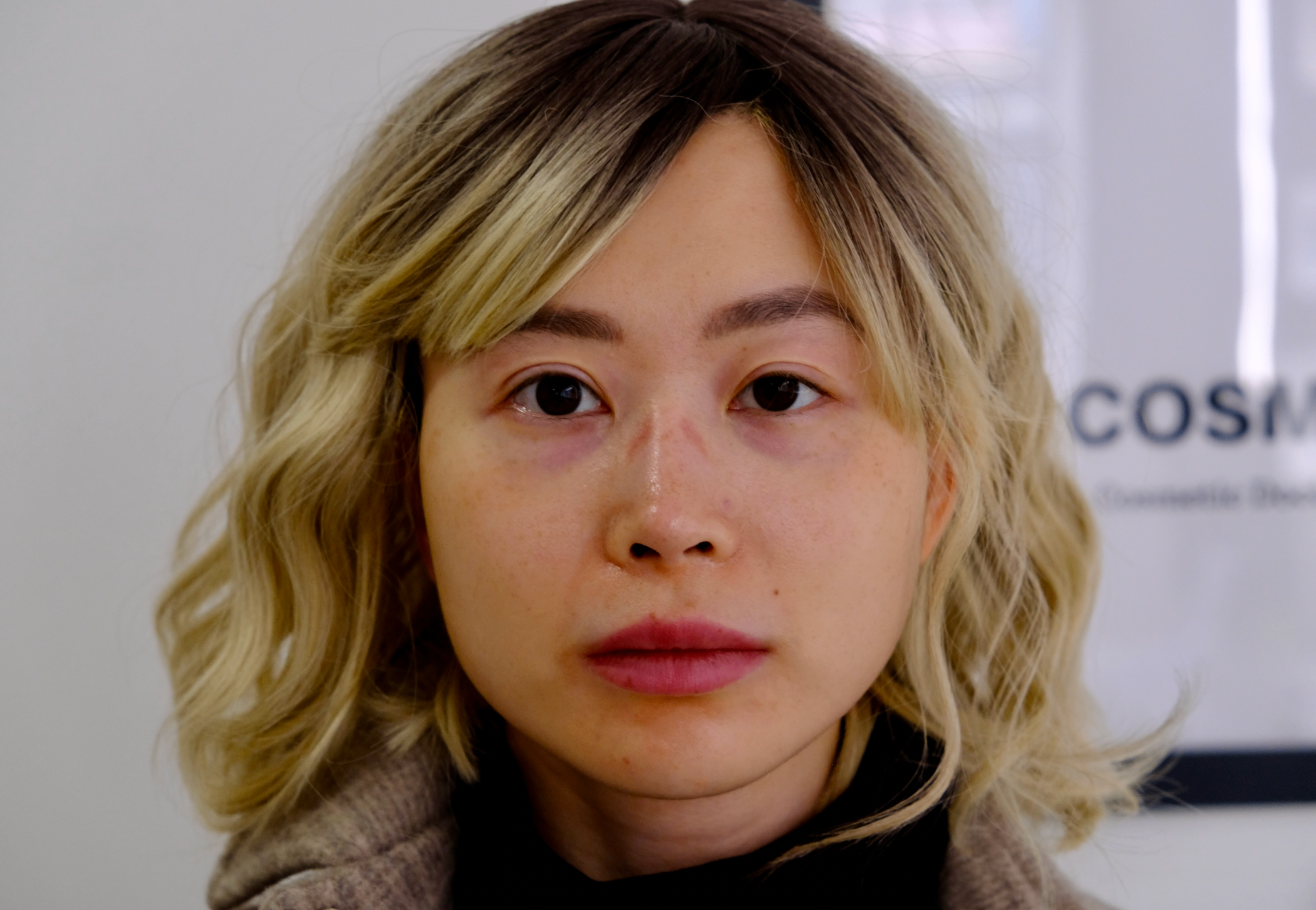
Before Treatment
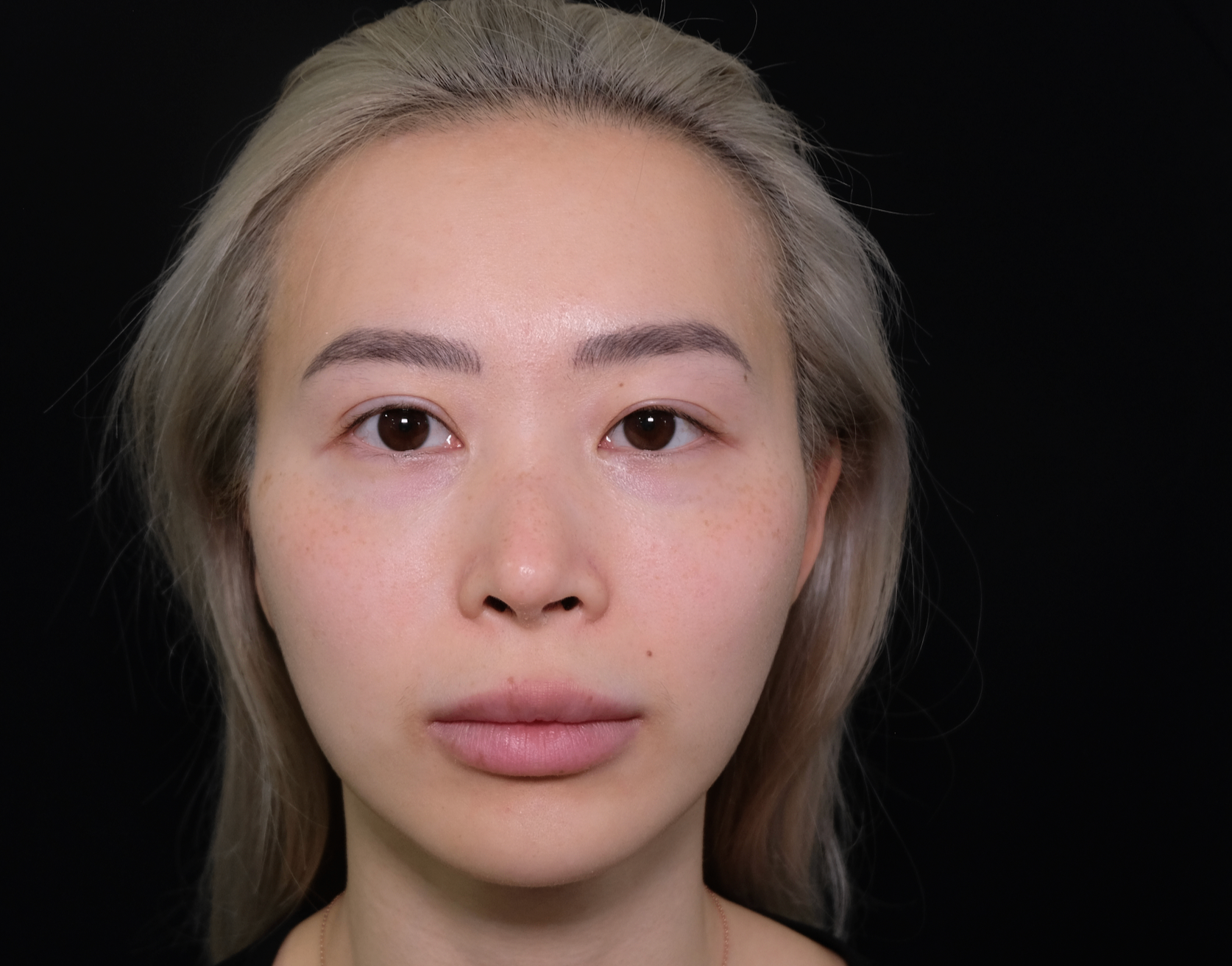
After Treatment
Why Dentists Lead in Masseter Botox
Dentists hold a unique clinical advantage in masseter botox applications. During every comprehensive dental examination, practitioners routinely palpate the masseter muscle as part of standard TMJ and occlusal assessment. This routine clinical contact provides natural, ethical screening for masseter hypertrophy and bruxism — conditions that directly indicate potential treatment candidacy.
Incorporating masseter assessment as a standard component of the full dental examination ensures every patient is screened for bruxism indicators: muscle bulk, tenderness, tooth wear patterns, and jaw fatigue. This is not an upsell — it is responsible clinical practice. Many patients with nocturnal bruxism are entirely unaware of the condition until a practitioner identifies the signs.
By integrating masseter botox into an existing dental practice, clinicians create a complementary service stream that requires no additional advertising. Patients presenting with bruxism, tooth attrition, TMJ discomfort, or jaw tension are already sitting in the chair. The clinical conversation flows naturally from diagnosis to treatment option.
Masseter Palpation During Dental Examination:
- Palpate bilateral masseter muscles during every comprehensive exam
- Assess for hypertrophy, tenderness, and muscle bulk asymmetry
- Correlate findings with tooth wear patterns and enamel erosion
- Document masseter size as part of TMJ assessment protocol
- Discuss botulinum toxin as a treatment option when clinically indicated
Masseter Botox Course
Clinical reasoning for experienced practitioners. This course trains you to:
- Examine the face for signs of bruxism & TMJ dysfunction
- Assess and categorise masseter muscle size
- Dose appropriately for various muscle sizes
Included Free
For practitioners who haven't previously covered the basics, this course includes complimentary access to our foundation modules — ensuring all delegates begin with confidence, regardless of prior experience.
- Botox Fundamentals modules
- Dilution & Reconstitution protocols
Revenue Without Advertising
Masseter botox integrates seamlessly into existing practice without requiring external marketing or patient acquisition costs.
£300–500 per session (UK)
Average treatment fee for bilateral masseter injection
$500–800 per session (USA)
Average treatment fee in US markets
Recurring every 4–6 months
Lifelong patient relationships with predictable treatment cycles
Course Details
Masseter botox refers to the targeted injection of botulinum toxin into the masseter muscle — one of the primary muscles of mastication located at the angle of the jaw. This application serves both aesthetic and therapeutic purposes, depending on patient presentation and treatment goals.
Aesthetically, masseter botox produces facial slimming by reducing muscle bulk, creating a more tapered lower face contour. This is particularly effective for patients with naturally prominent jaw angles or those who have developed masseter hypertrophy through habitual clenching or grinding.
Therapeutically, it addresses bruxism — the involuntary grinding or clenching of teeth that occurs primarily during sleep. Chronic bruxism leads to tooth wear, TMJ strain, facial pain, and tension headaches. Botulinum toxin reduces the force of masseter contraction, alleviating these symptoms when properly administered.
Key aspects of masseter treatment:
- Dual aesthetic and therapeutic applications requiring different clinical approaches
- Higher dosing requirements compared to standard aesthetic botox treatments
- Complex anatomy with proximity to other facial muscles and structures
- Variable treatment outcomes depending on muscle bulk and symptom chronicity
- Integration with multidisciplinary management including dental and physiotherapy referrals
Expand Your Clinical Scope with Masseter Botox
Whether your focus is aesthetic jaw contouring or therapeutic bruxism management, this course develops the clinical reasoning essential for safe, effective practice. Masseter botox training at masterclass level represents an investment in genuine expertise.
For dentists, this is one of the most natural extensions of existing clinical practice — the patients are already in the chair.
Frequently Asked Questions
This course is designed for doctors, dentists, nurses, and prescribing pharmacists who have completed foundation botulinum toxin training and have established clinical experience. It is not suitable for beginners.
Who We Train
This course is open to registered healthcare professionals from a range of clinical backgrounds