
The Acid Mantle of the Skin
Function, damage & repair in aesthetic practice
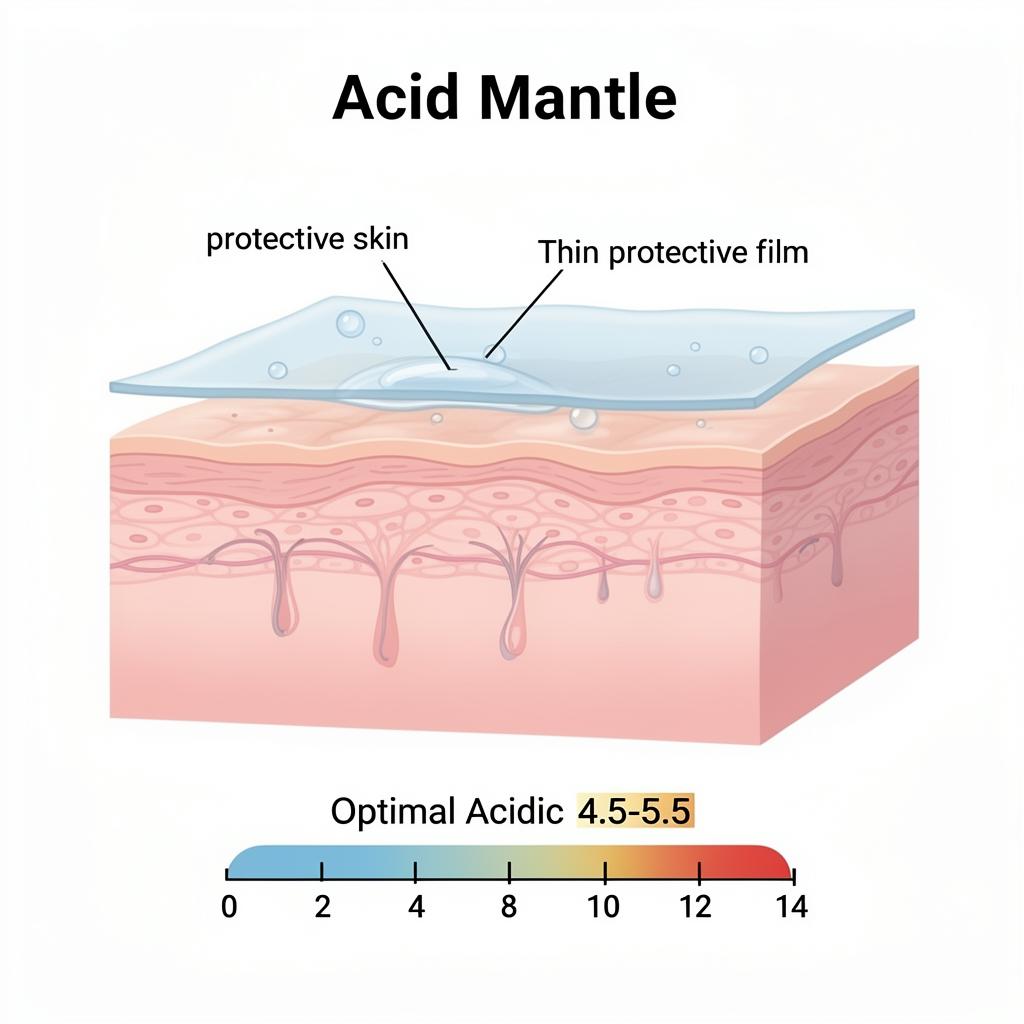
The acid mantle is a thin, protective film that sits on the surface of the skin. It is composed of sebum, sweat, and natural moisturising factors, and maintains the skin at a slightly acidic pH, typically between 4.5 and 5.5.
This acidic environment plays a critical role in protecting the skin. It helps regulate the skin's microbiome, preventing the overgrowth of harmful bacteria, and supports the integrity of the skin barrier. It also optimises enzyme activity involved in skin renewal and repair.
In aesthetic practice, the acid mantle is frequently disrupted by over-cleansing, harsh skincare products, and aggressive treatments such as peels or lasers. When disrupted, the skin becomes more alkaline, leading to increased sensitivity, dryness, inflammation, and susceptibility to infection.
Restoring the acid mantle is a key part of barrier repair. This involves reducing irritation, avoiding over-treatment, and using gentle, pH-balanced skincare.
A disrupted acid mantle is often the hidden cause of reactive and sensitized skin.
Clinical Takeaway
A disrupted acid mantle is often the hidden cause of reactive and sensitized skin.
Frequently Asked Questions
What is the acid mantle of the skin?
The acid mantle is a thin, protective film on the skin surface composed of sebum, sweat, and natural moisturising factors. It maintains the skin at a slightly acidic pH of 4.5–5.5, which is essential for barrier function and microbiome health.
How do aesthetic treatments affect the acid mantle?
Treatments such as chemical peels, lasers, and aggressive exfoliation can disrupt the acid mantle, making the skin more alkaline. This leads to increased sensitivity, dryness, inflammation, and susceptibility to infection.
How do you repair the acid mantle?
Repair involves reducing irritation, avoiding over-treatment, and using gentle, pH-balanced skincare products. Allow the skin adequate recovery time and avoid harsh cleansers that strip the natural acid mantle.
Key Points
- The acid mantle maintains skin pH between 4.5 and 5.5
- It protects against harmful bacteria and supports barrier integrity
- Over-cleansing and aggressive treatments disrupt the acid mantle
- Restoring pH balance is a key part of barrier repair
Clinical Tip
If a patient presents with reactive skin and no clear cause, consider acid mantle disruption — check their cleansing routine and product pH.
Continue Your Clinical Dermatology Training
This page is part of the CAD – Certificate in Aesthetic Dermatology by Harley Street Institute. Unlock the full structured programme to build clinical confidence in dermatological assessment.