
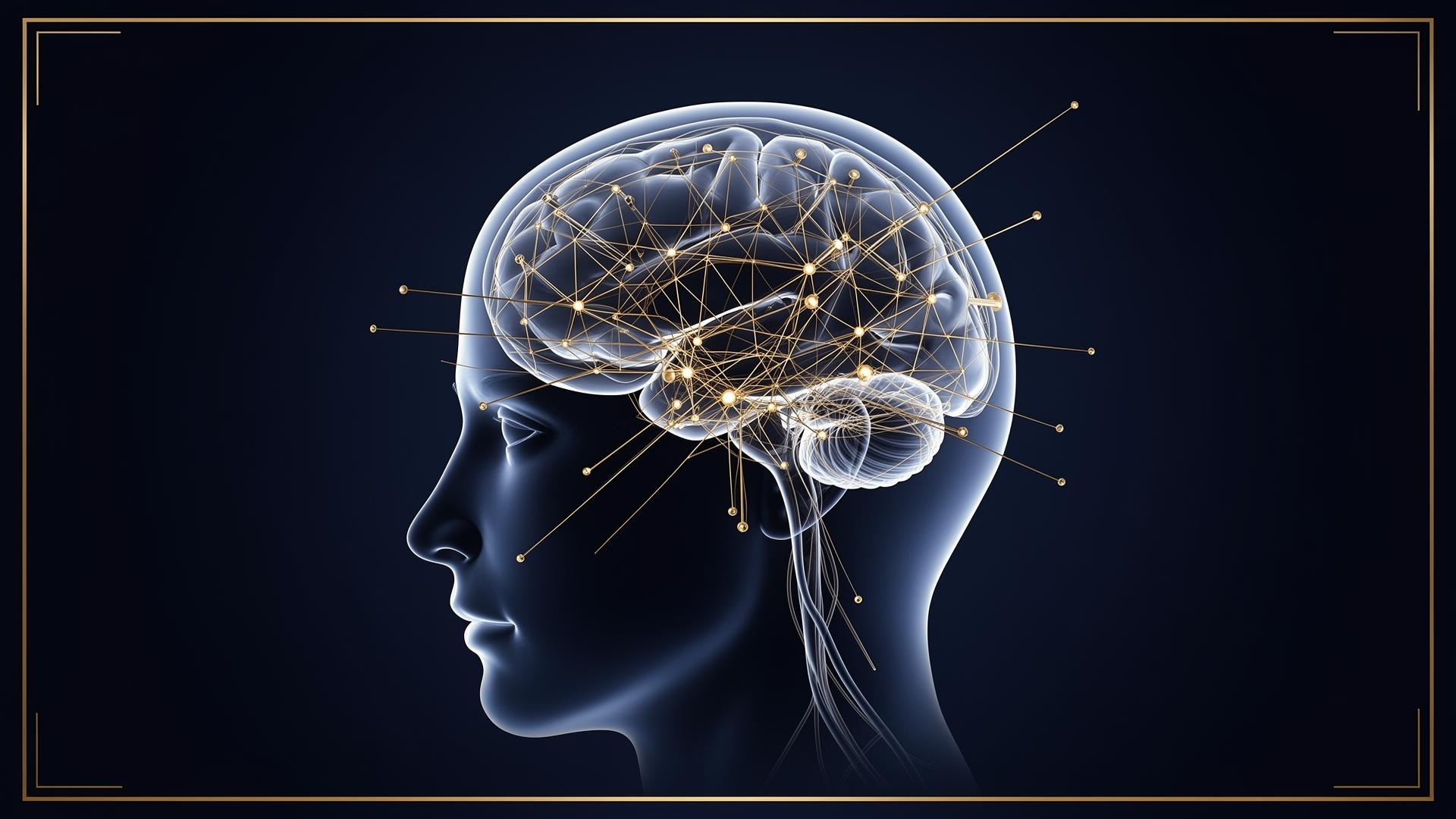
The botox for headaches and migraines course at Harley Street Institute addresses one of the most significant therapeutic applications of botulinum toxin in clinical practice. Chronic migraine affects millions of individuals worldwide, and botox represents a well-established prophylactic treatment for those who have failed other preventive therapies or cannot tolerate conventional medications.
This migraine botox training is fundamentally different from aesthetic botulinum toxin education. Therapeutic botox for migraines operates through distinct mechanisms, requires specific injection protocols involving multiple anatomical sites, and demands careful patient selection based on diagnostic criteria rather than cosmetic preference.
Chronic migraine is defined as experiencing 15 or more headache days per month for at least three months, with at least eight days meeting migraine diagnostic criteria. This patient population often presents with significant disability, medication overuse, and failed trials of multiple oral prophylactic agents. Botox offers these patients an alternative approach with a different mechanism of action and side effect profile.
The botox for headaches and migraines course develops the clinical reasoning required to navigate this complex therapeutic application. Practitioners learn to assess patients against established diagnostic criteria, understand the evidence base supporting chronic migraine botox treatment, and recognise the limitations of this approach for patients who do not meet selection criteria.
This specialist training is designed for experienced practitioners who understand that therapeutic botulinum toxin applications require a different clinical mindset than aesthetic practice, emphasising patient outcomes, symptom monitoring, and integration with broader headache management strategies.
What Is Migraine Botox?
Botox for headaches and migraines refers to the prophylactic administration of botulinum toxin type A according to established therapeutic protocols designed to reduce the frequency and severity of chronic migraine episodes. This application is distinct from aesthetic botox use and operates through different mechanisms.
Therapeutic botox for migraines was developed through extensive clinical research, culminating in regulatory approval for chronic migraine prophylaxis. The treatment involves injection across multiple anatomical sites in the head and neck, targeting sensory nerve pathways involved in migraine pathophysiology rather than cosmetic muscle activity.
The mechanism of action in chronic migraine botox differs from aesthetic applications. While aesthetic botox produces its effects through muscle relaxation, therapeutic migraine treatment appears to work by modulating pain signalling pathways and reducing the release of neurotransmitters involved in migraine generation and propagation.
Migraine botox training addresses the specific protocol requirements for this indication, including the standardised injection pattern, dosing, treatment intervals, and outcome monitoring required for effective prophylactic management. This structured approach distinguishes therapeutic botox from the more individualised aesthetic applications.
Key aspects of migraine treatment:
- Established prophylactic treatment for chronic migraine with regulatory approval
- Multi-site injection protocol targeting head and neck muscle groups
- Mechanism involving sensory nerve modulation rather than muscle relaxation alone
- Treatment intervals of 12 weeks with cumulative benefit over multiple cycles
- Integration with broader headache management and lifestyle modification
Why Migraine Botox Requires Specialist Training
Migraine botox training at specialist level is essential because this therapeutic application operates entirely differently from aesthetic botulinum toxin. The injection protocol, dosing, patient selection, and outcome monitoring all require specific education beyond standard foundation courses.
Foundation botox courses appropriately focus on aesthetic applications in the upper face. These treatments involve relatively few injection sites, lower total doses, and outcomes assessed by visual appearance. Therapeutic botox for migraines involves dozens of injection sites, higher total doses, and outcomes measured through headache diaries and disability scales.
Specialist training develops the diagnostic competence required for chronic migraine treatment. Practitioners must understand migraine diagnostic criteria, differentiate chronic migraine from other headache disorders, and identify patients likely to respond to botulinum toxin therapy versus those better suited to alternative management.
The botox for headaches and migraines course addresses these distinctions, providing education that enables practitioners to offer therapeutic botox with clinical confidence and appropriate patient selection.
Who This Course Is For
This botox for headaches and migraines course is designed for medical practitioners who have completed foundation botulinum toxin training and wish to expand into therapeutic applications. It is particularly relevant for those whose clinical practice includes patients with chronic headache disorders.
Practitioners should have established competence in basic injection technique and product handling before undertaking this specialist training. The course builds upon foundational skills, adding the diagnostic and therapeutic knowledge required for chronic migraine management.
This migraine botox training is particularly valuable for practitioners working in settings where chronic headache patients present regularly, including general practice, pain management, and neurology-aligned services. The course enables integration of botox treatment into comprehensive headache care pathways.
Suitable for:
- Doctors with foundation botox training seeking therapeutic applications
- Practitioners working in pain management or headache clinics
- Nurses and prescribers treating patients with chronic migraine
- Aesthetic practitioners whose patients present with headache symptoms
- Medical professionals seeking evidence-based chronic migraine treatment options
Clinical Considerations in Migraine Botox
Clinical considerations in therapeutic botox for migraines centre on accurate diagnosis and appropriate patient selection. Chronic migraine is a specific clinical entity, and treatment with botulinum toxin is not indicated for episodic migraine, tension-type headache, or other headache disorders that do not meet chronic migraine criteria.
Patient assessment for chronic migraine botox requires careful history taking, often supported by prospective headache diary documentation. Practitioners must distinguish true chronic migraine from medication overuse headache, which requires different management, and identify secondary causes that require investigation before prophylactic treatment.
The treatment protocol for therapeutic botox involves injection across seven specific muscle areas, using a standardised pattern and dosing scheme. This differs markedly from aesthetic approaches where treatment is individualised to each patient's facial anatomy and desired outcome.
Response to chronic migraine botox typically requires multiple treatment cycles. Practitioners must counsel patients appropriately regarding realistic timelines for improvement and the importance of continuing treatment to assess cumulative benefit before concluding that therapy has failed.
Risk factors and clinical awareness:
- Treatment of patients who do not meet chronic migraine diagnostic criteria
- Inadequate follow-up and outcome monitoring between treatment cycles
- Failure to address medication overuse contributing to chronic headache
- Neck weakness from cervical muscle injections, particularly in patients with poor baseline strength
- Premature discontinuation before adequate treatment trial is complete
- Missed secondary headache causes requiring investigation rather than prophylactic treatment
Relationship to Botox Masterclasses
This botox for headaches and migraines course sits within the Harley Street Institute specialist masterclass programme. It represents one of several indication-specific training modules designed for practitioners who have completed foundation education and seek advanced clinical competence.
The masterclass approach recognises that therapeutic botox applications require dedicated education rather than superficial coverage. Chronic migraine treatment involves distinct clinical reasoning, protocols, and outcome measures that deserve focused attention.
Practitioners may complete this course alongside other masterclasses depending on their clinical interests and patient populations, developing a portfolio of specialist botulinum toxin competencies.
How This Course Is Delivered
This migraine botox training is delivered online through focused modules designed for flexible learning. The online format allows practitioners to engage with specialist therapeutic content while continuing their regular clinical practice.
The course emphasises the evidence base for chronic migraine botox, diagnostic criteria, patient selection, and outcome monitoring rather than injection technique alone. This approach recognises that practitioners at masterclass level already possess technical competence and require education in therapeutic application and clinical decision-making.
Online delivery complements clinical experience. Practitioners are expected to apply their learning within appropriate practice settings, potentially in collaboration with headache specialists or within established headache management pathways.
Opens in new window - External learning platform
Professional Responsibility & Scope of Practice
Professional responsibility in therapeutic botox for migraines extends beyond injection competence. Practitioners must ensure they operate within their scope of practice and have appropriate indemnity coverage for therapeutic as well as aesthetic applications.
Therapeutic botulinum toxin for chronic migraine typically requires prescriber status and may involve different governance arrangements than aesthetic practice. Practitioners should verify their regulatory position and practice arrangements before offering this treatment.
Patient consent for chronic migraine botox should address the therapeutic nature of treatment, expected timelines for response, potential side effects, and the commitment to multiple treatment cycles required for adequate assessment. Documentation should reflect the diagnostic basis for treatment and outcome monitoring at each visit.
Continued professional development in headache medicine remains important for practitioners offering this therapeutic application. The evidence base continues to evolve, and responsible practice requires ongoing engagement with developments in chronic migraine management.
The botox for headaches and migraines course at Harley Street Institute provides specialist training for practitioners ready to offer therapeutic botulinum toxin to patients with chronic migraine. This evidence-based approach enables integration of botox treatment into comprehensive headache management.
Migraine botox training at masterclass level represents commitment to genuine therapeutic competence. For practitioners working with chronic headache patients, this specialist education provides the knowledge and clinical reasoning required for safe, effective prophylactic treatment.