Objectives
- Understand oral–craniofacial structures as a regulatory interface
- Recognise early structural and periodontal signals of ageing
- Interpret bone and connective tissue changes as reserve markers
- Apply structural assessment to systemic ageing trajectories
Pre-requisites
Completion of the Certificate in Anti-Ageing & Longevity Medicine or equivalent foundational training in longevity medicine principles.
Learners should have a working understanding of biological ageing mechanisms and systems-based clinical thinking.
Who Is It For
This module is designed for healthcare professionals seeking to expand their understanding of ageing medicine:
Development Outcomes
Course Aims & Objectives:
- Maintenance and development of knowledge and skill within your field of practice
- Expand assessment options for patients with structural and periodontal ageing patterns
- Integrate craniofacial assessment into existing clinical frameworks
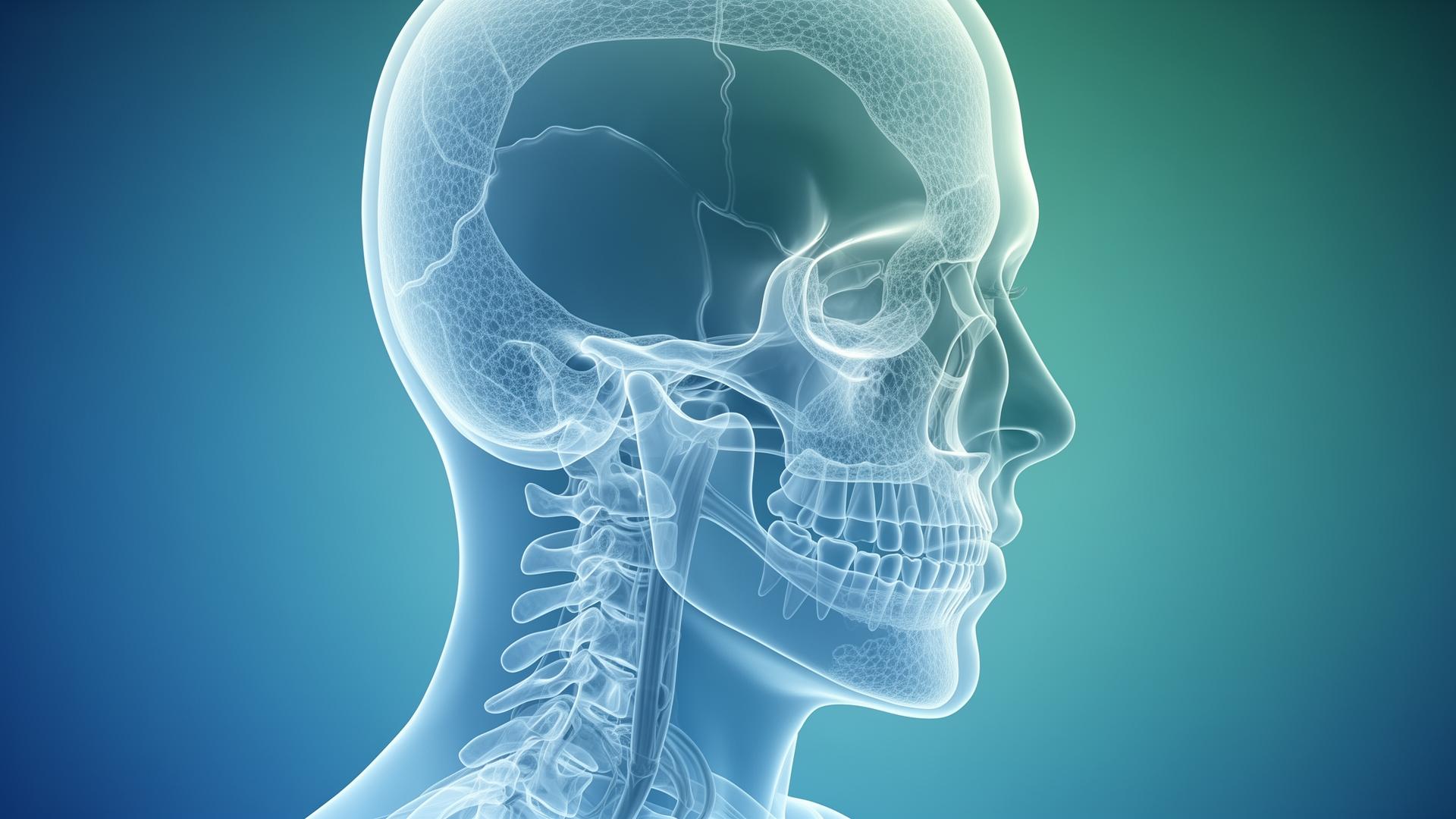
The oral and craniofacial region provides a uniquely sensitive window into structural ageing and systemic biological reserve. Changes in periodontal health, bone density, connective tissue integrity, and facial structure often reflect broader shifts in inflammation, metabolism, immune regulation, and repair capacity.
In systems-based anti-ageing medicine, oral–craniofacial ageing is understood as a sentinel structural system, rather than a cosmetic or purely dental concern.
1. The Oral–Craniofacial System as a Regulatory Interface
This system integrates multiple regulatory processes, including:
- Bone remodelling and mineral balance
- Periodontal immune regulation
- Microvascular support to craniofacial tissues
- Connective tissue structure and elasticity
- Mechanical load and functional use (mastication)
Because these tissues are exposed to constant mechanical and microbial challenge, they are highly sensitive to changes in resilience and repair capacity.
2. How Structural Regulation Changes With Age
With advancing age:
- Bone turnover balance shifts toward loss
- Periodontal tissues show reduced regenerative capacity
- Connective tissues become thinner and stiffer
- Microvascular support declines
- Healing responses slow following stress or injury
These changes often occur before overt disease, making them valuable early ageing indicators.
3. Early Clinical Signals of Structural Ageing
Early signals that may be observed include:
- Periodontal inflammation or recession
- Delayed healing after dental or minor surgical procedures
- Increased tissue fragility
- Changes in facial support or contour
- Reduced tolerance to mechanical stress
Within this curriculum, these are interpreted as structural ageing signals, not isolated local pathology.
4. Systemic Connections & Phenotype Patterns
Oral–craniofacial and structural ageing commonly overlaps with:
These overlaps reinforce the role of oral health as a system-wide ageing marker, not a standalone system.
5. Structural Integrity as a Marker of Biological Reserve
A key concept in this topic is that structural integrity reflects biological reserve.
Loss of bone density, connective tissue resilience, and repair capacity signals:
- Narrowing physiological margins
- Reduced adaptability to stressors
- Increased long-term vulnerability
This reframes structural change as a marker of systemic ageing, rather than appearance or function alone.
6. Clinical Interpretation (Not Intervention)
Learners are trained to interpret questions such as:
- Are structural changes isolated or part of a wider ageing trajectory?
- Is inflammation, immune ageing, or metabolic regulation contributing?
- Does this represent declining reserve rather than local disease?
The focus is on pattern recognition and trajectory, not treatment.
7. Boundaries & Professional Scope
This topic does not include:
- Dental treatment protocols
- Cosmetic or aesthetic interventions
- Bone augmentation or regenerative procedures
- Prescribing or procedural instruction
It remains firmly focused on interpretation, not intervention.
How This Topic Fits Within the Diploma
Oral–craniofacial and structural ageing complements other Diploma systems by:
Together with metabolic, immune, and neurovascular topics, it helps clinicians interpret whole-body ageing trajectories.