
£250-500
Per hour potential
Flexible
Choose your hours
95%
Patient satisfaction
Private
Practice medicine
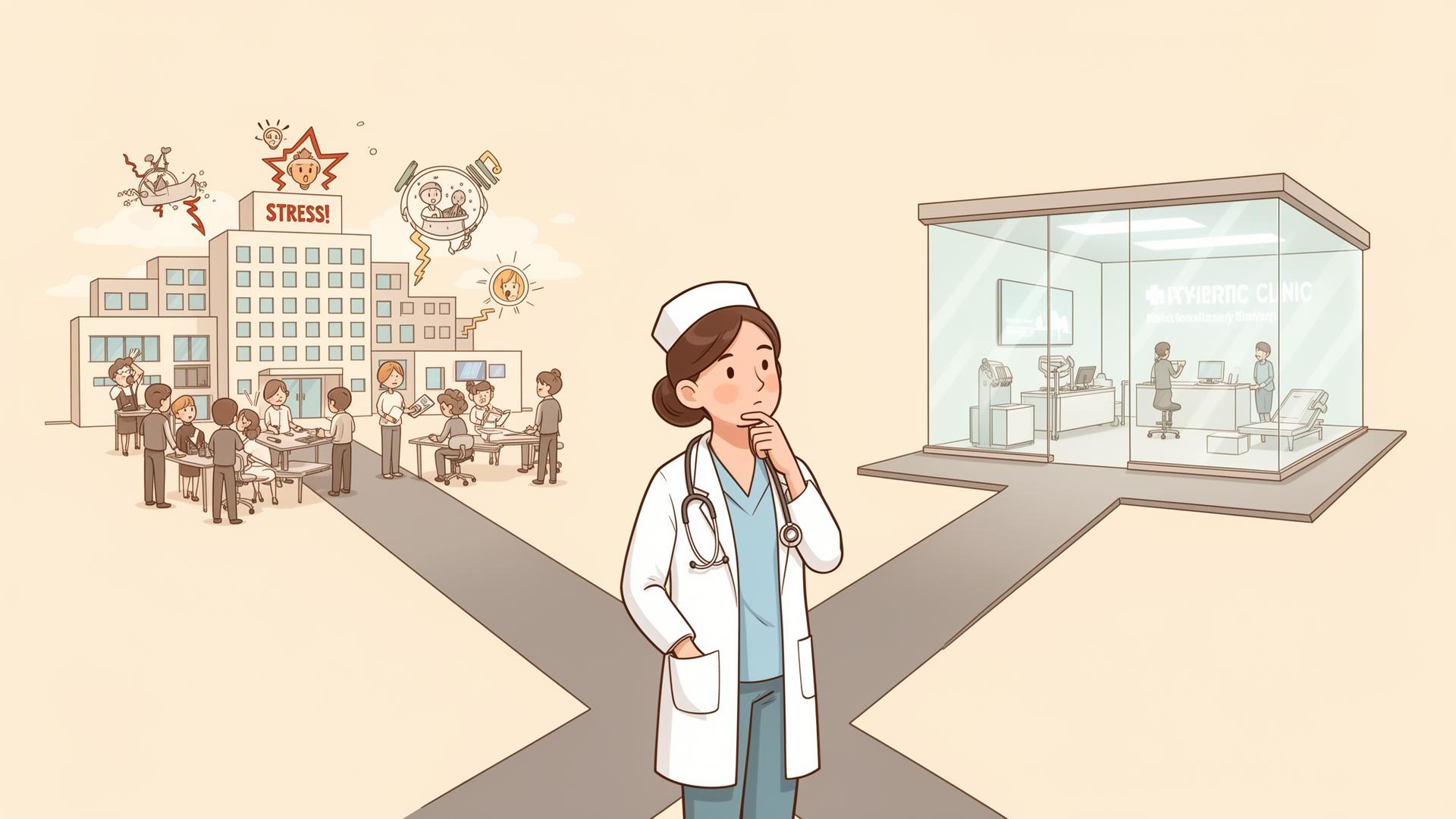
Why Medical Professionals Are Leaving the NHS for Aesthetic Medicine
The reality of working in the NHS has changed dramatically over the past decade. Longer hours, increased administrative burden, declining real-terms pay, and a sense of diminishing autonomy have led thousands of doctors and nurses to explore alternative career paths. For many, aesthetic medicine offers an attractive solution — a field where medical expertise is valued, patient outcomes are visible and rewarding, and financial compensation reflects the skill and dedication you bring.
Aesthetic medicine is not about abandoning medicine. It is about practicing medicine in a different context — one where you have control over your schedule, your patient relationships, and your income. Whether you are a GP considering a complete career change, a hospital doctor looking for a portfolio career, or a nurse seeking work outside the NHS, aesthetic medicine provides a legitimate, rewarding pathway.
This comprehensive guide covers everything you need to know: what aesthetic medicine actually involves, who can practice it, how to get trained, what income you can realistically expect, and the step-by-step pathway from complete beginner to established practitioner. At over 3,000 words, this is the most thorough career guide available for medical professionals considering this transition.
What is Aesthetic Medicine?
Aesthetic medicine sits at the intersection of dermatology, plastic surgery, and preventive medicine — but with a distinctly different philosophy. Unlike treating disease, aesthetic medicine focuses on enhancement, rejuvenation, and helping patients feel confident in their appearance. It operates at a different pace than hospital medicine, with appointments typically lasting 30 to 60 minutes, genuine relationships with patients, and visible results that both practitioner and patient can appreciate.
The field encompasses two main treatment categories: injectable treatments (botulinum toxin and dermal fillers) and skin treatments (medical-grade skincare, chemical peels, microneedling, skin boosters like Profhilo, and energy-based devices). Most practitioners begin with injectables because they offer immediate, dramatic results that patients love. However, skin treatments often provide better long-term income potential because they create recurring patient relationships.
Conditions Treated in Aesthetic Medicine
- • Fine lines and wrinkles
- • Volume loss and facial contours
- • Skin texture and enlarged pores
- • Pigmentation and sunspots
- • Uneven skin tone and melasma
- • Rosacea and vascular concerns
- • Thinning skin and elasticity loss
- • Acne scarring and skin damage
What makes aesthetic medicine particularly satisfying for many practitioners is the psychology of the consultation. You are working with patients who actively want to be there, who are invested in their outcomes, and who express genuine gratitude when results meet expectations. This stands in stark contrast to the often adversarial dynamic that can develop in overstretched NHS settings.
Who Can Practice Aesthetic Medicine?
Aesthetic medicine is exclusively practiced by regulated healthcare professionals in the UK. The most common backgrounds are doctors (GMC registered), dentists (GDC registered), and nurses (NMC registered). Each brings unique advantages to aesthetic practice, and training pathways are tailored accordingly.
Private Medical Practice vs NHS: The Real Comparison
One of the most common questions from medical professionals considering aesthetic medicine is how private practice compares to NHS work. The differences extend far beyond salary — they encompass work environment, patient relationships, autonomy, and career satisfaction.
Training Pathways: From Beginner to Expert
Training in aesthetic medicine follows a structured progression from foundational skills to advanced techniques. The pathway you choose depends on your experience level, time availability, and career goals. All pathways lead to competent, confident practice — the difference is the depth and breadth of skills you acquire.
Getting Started: Your First Steps
Transitioning into aesthetic medicine requires planning, but the barriers to entry are lower than many practitioners expect. Here is a practical roadmap for your first six months.
The "To Do or Not To Do" Moment
Every practitioner remembers their first injection. The nervous hands, the racing thoughts, the internal dialogue of "am I really ready for this?" It is entirely normal — and it passes faster than you expect.
The truth is that your medical training has already prepared you for procedural work. Aesthetic medicine adds new techniques, but the foundations — anatomy knowledge, patient assessment, sterile technique, complication recognition — are skills you already possess.
Within your first few treatments, that nervous energy transforms into focused confidence. By your tenth treatment, you will wonder why you waited so long to start.
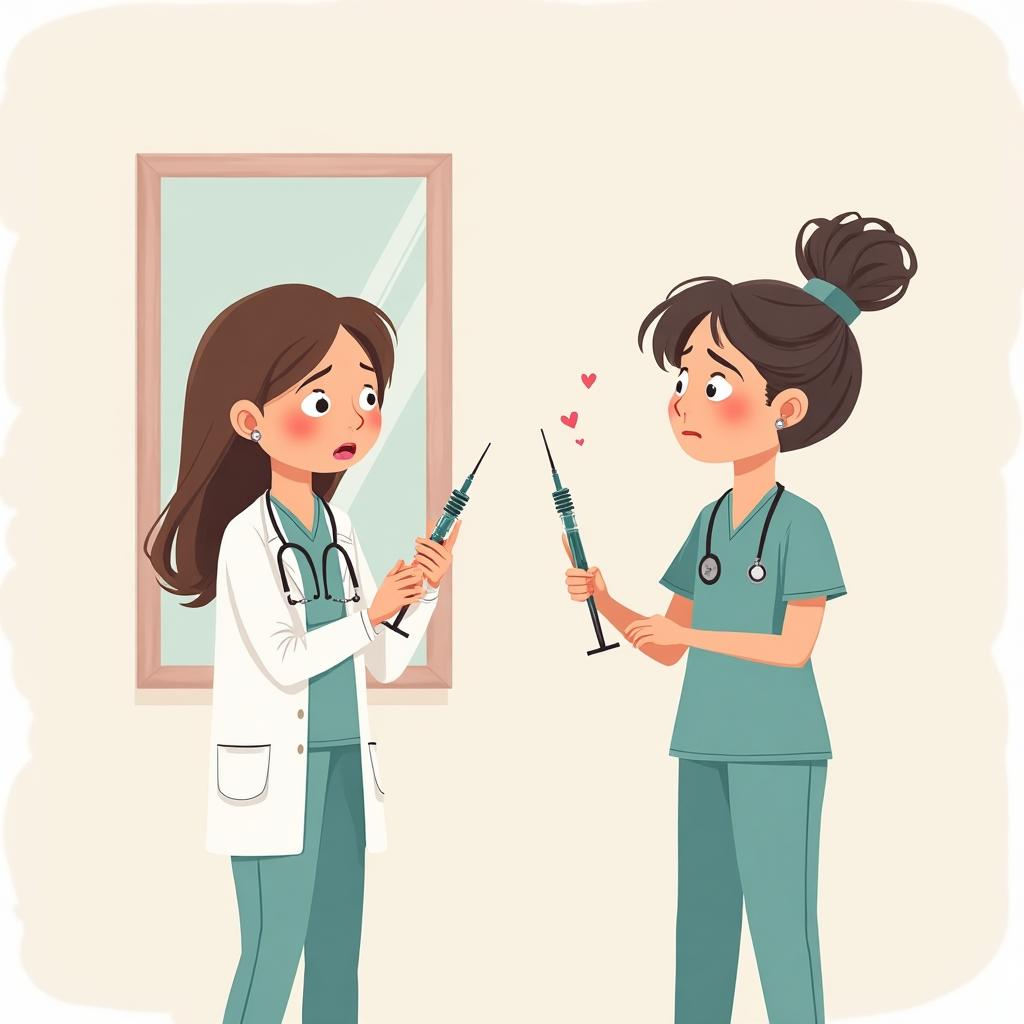
Everyone starts somewhere
Ready to Start Your Aesthetic Medicine Career?
Join thousands of doctors, nurses, and dentists who have built rewarding careers in private aesthetic practice. Your first step starts with training.
Quick Course Links
AI Assistant
Have More Questions? Ask Prof HSI
Our AI assistant is trained on everything about aesthetic medicine careers, training pathways, income potential, and getting started. Get personalised answers to your specific questions — instantly.
Available 24/7
Popular questions practitioners ask: